
Plants
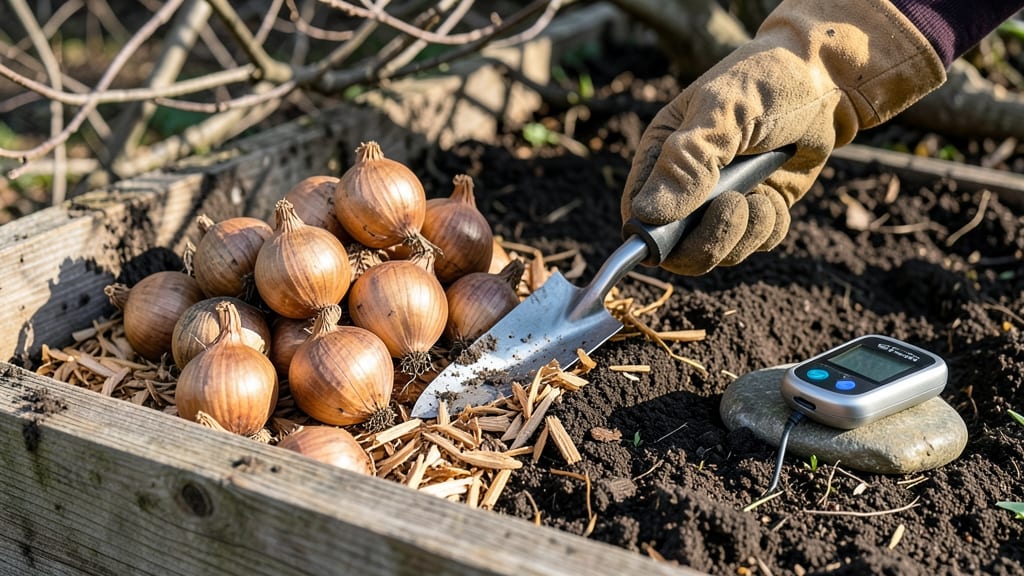
Timing your tulip planting in North Carolina just right can mean the difference between a show-stopping spring display and bulbs that never bloom.
With USDA Zones 7a-8b bringing unpredictable frost dates, knowing the exact window is crucial—especially when your 🌷 tulips could be at risk if planted too early or too late.
Most gardeners assume fall planting is a one-size-fits-all approach, but North Carolina’s microclimates—from the Piedmont’s cooler nights to the Coastal Plain’s milder winters—demand precision.
Whether you’re in the mountains or near the coast, the ideal planting window shifts slightly, and missing it could leave your bulbs vulnerable to frost heave or rot.
In this guide, I’ll break down the exact months to plant tulips in your specific zone, including soil temperature tips and frost forecast tools. You’ll also learn how to adjust for containers, raised beds, and even your backyard’s unique conditions to ensure your tulips thrive year after year.
Skip the guesswork and plant with confidence—because once those 🌷 buds push through the soil next spring, you’ll know you did everything right. Let’s get started.
North Carolina tulip planting calendar by USDA zone (exact months)
North Carolina spans USDA Zones 7a-8b, and your exact planting window depends on when your first hard frost arrives. In Zone 7a (western mountains), aim for October 15–November 15, while Zone 8b (coastal areas) can plant until December 1.
The key is getting bulbs in 4-6 weeks before ground freezes—typically mid-November in the mountains and late November in the Piedmont.
Soil temperature is your best guide: tulip bulbs need 50–60°F soil to root before winter. Use a soil thermometer or check local frost forecasts from the NC State Climate Office.
Planting too early risks rot from warm, wet soil, while late planting may leave bulbs vulnerable to frost heave.
Here’s your zone-specific planting timeline with frost risk analysis to avoid common mistakes:
| USDA Zone | Ideal Planting Window | Soil Temp Goal | Frost Risk | Local Example |
|---|---|---|---|---|
| 7a (Mountains) | October 15–November 15 | 50–60°F | High (Nov 1–15) | Asheville, Boone |
| 7b (Piedmont) | October 20–November 30 | 50–60°F | Moderate (Nov 10–25) | Raleigh, Greensboro |
| 8a (Coastal) | November 1–December 1 | 55–60°F | Low (Dec 1–15) | Wilmington, Fayetteville |
| 8b (Outer Banks) | November 15–December 15 | 55–60°F | Very Low (Dec 15+) | Manteo, Hatteras |
⚠️ Pro Tip: Use mulch (3–4 inches) after planting to insulate bulbs and prevent frost heave.
For container planting, adjust your timeline by 2–3 weeks later since pots warm up faster. Place containers in a protected spot (like a garage or under eaves) if early frosts threaten.
In Zone 8b, you can even plant as late as January, but expect smaller blooms the first year.
If you’re in doubt about frost dates, err on the earlier side—tulip bulbs can handle cool soil better than warm, soggy conditions. Use a frost clock or local garden center’s advice to fine-tune your schedule.
For example, Asheville gardeners should plant by November 1, while coastal Wilmington can wait until December 1.
After planting, water deeply to settle soil around bulbs, then reduce watering until spring. Avoid fertilizing in fall—wait until early spring when foliage emerges. This ensures bulbs focus on root establishment before winter dormancy.
One common mistake is assuming “earlier is always better”. While early planting gives bulbs time to root, overly warm soil (above 60°F) can cause premature sprouting and weak stems. Balance soil temperature, moisture, and frost forecasts for perfect timing.
For re-blooming tulips, plant in late fall (November–December) to align with your zone’s frost window. These varieties need extra chill hours, so follow the same zone guidelines but add 2–3 weeks later to avoid early sprouting.
🌷
5 Critical factors that determine perfect tulip planting timing in NC
North Carolina’s diverse climate—from the mountainous west to the coastal plains—means your tulip planting timing depends on more than just the calendar. I’ve planted tulips across USDA Zones 7a-8b and learned these five critical factors make all the difference between blooms that pop and bulbs that flop.
First, soil temperature is your secret weapon. Tulip bulbs need the ground to cool to 50-60°F before planting. Use a soil thermometer (just $10 at garden centers) to check—planting too early in warm soil can rot your bulbs before they even sprout roots.
Next, frost dates aren’t just about avoiding winter. Aim to plant 4-6 weeks before your area’s first hard frost. In the Piedmont, that’s usually mid-October, while coastal areas like Wilmington can wait until early November. Check the National Weather Service frost forecast for your county.
Don’t overlook bulb depth—planting too shallow risks frost heave, while burying too deep delays blooms. For most tulips, dig 6-8 inches deep, with the bulb’s nose pointing upward. Smaller varieties (like dwarf tulips) only need 4-5 inches of coverage.
Moisture balance is another game-changer. Tulips hate soggy soil but need consistent moisture to root. After planting, water deeply once, then let nature take over—unless we get a drought spell. A 2-inch layer of mulch helps retain moisture without suffocating bulbs.
Finally, microclimates can shift your timing by weeks. A south-facing slope warms faster than a north-facing garden bed, while urban areas (like Raleigh) may stay warmer longer than rural spots. Observe your yard’s unique conditions for 3-5 years to dial in the perfect window.
Soil Temperature
Plant when soil reaches 50-60°F (use a thermometer!). Too warm = rot; too cold = poor root growth.
Frost Forecast
Plant 4-6 weeks before first frost. Check NWS for local dates—mountains freeze earlier than coasts!
Bulb Depth
Standard tulips: 6-8" deep. Dwarf varieties: 4-5". Always plant nose-up!
Moisture Balance
Water deeply once after planting. Avoid soggy soil—mulch helps retain moisture without suffocating bulbs.
Microclimates
South-facing beds warm faster. Urban areas stay warmer. Observe your yard’s unique conditions for 3-5 years.
Pro tip: If you’re unsure about your local frost dates, plant early October as a safe bet. Most tulips will wait in dormancy until conditions are right. Just avoid planting after mid-December—by then, the bulbs won’t have enough time to root before winter sets in.