
Companion Plants
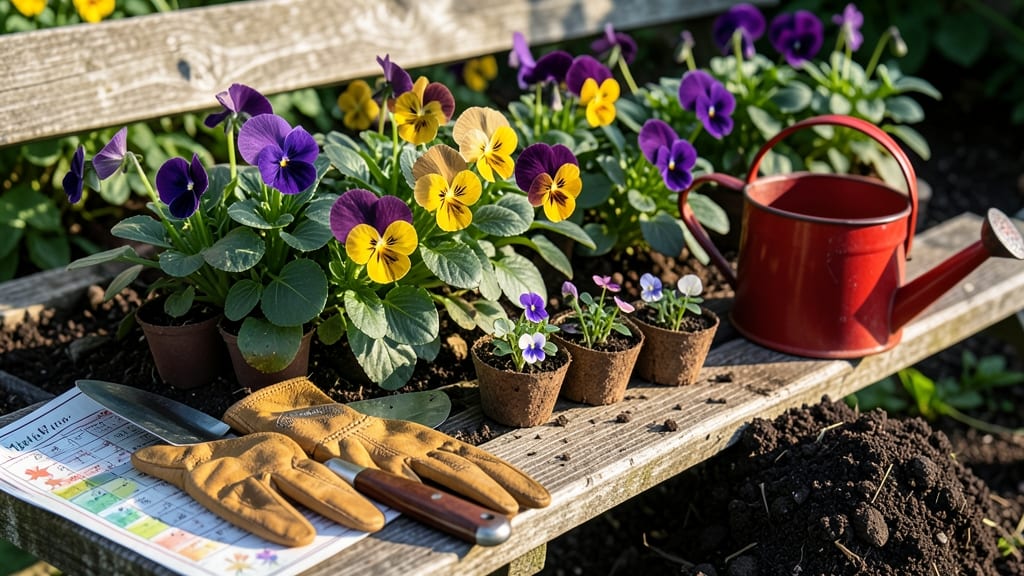
If you’ve ever wondered when to plant pansies in the Northeast, timing is the secret to vibrant blooms that last from fall through spring. These cool-weather favorites 🌸 thrive when planted just right—too early, and frost zaps their potential; too late, and you miss their cheerful faces.
The key lies in understanding your local frost dates, soil temps, and even microclimates that can shift planting windows by weeks.
In the Northeast’s USDA Zones 5-7, the ideal windows are early spring (March-April) or early fall (September-October). But here’s the catch: New England’s chillier air demands a slightly earlier start than the Mid-Atlantic’s milder pockets.
Whether you’re in upstate New York or coastal Maine, we’ll break down the exact schedule to ensure your pansies take root strong and bloom bold.
Why does this matter? Because pansies aren’t just pretty—they’re tough, cold-hardy plants that reward precise planning. Skip the guesswork and learn how to prep your soil, space them perfectly, and protect them from winter’s harshest moments.
Let’s get your garden ready for a year-round splash of color, starting with the right planting moment.
From mulching tricks to variety picks that handle frost like pros, this guide covers everything you need to know. No more missed blooms—just reliable, stunning pansies that turn heads from September’s first chill to June’s last frost. Ready to plant with confidence?
Best planting times for pansies in the Northeast by season
Pansies love cool weather, which makes them perfect for the Northeast’s spring and fall seasons. But timing is critical—plant too early, and a late frost will wipe them out; too late, and you’ll miss their vibrant blooms.
The key is understanding your USDA hardiness zone (typically 3-7 in the Northeast) and local frost dates.
For spring planting, aim to get pansies in the ground 4-6 weeks before your last frost date. In most Northeast regions, this means late March to early April.
For fall planting, wait until 6-8 weeks before your first frost, usually mid-September to early October. This gives them time to establish roots before winter sets in.
Soil temperature matters too—pansies thrive when soil is between 40°F and 65°F. In colder zones (like Zone 3), wait until soil warms slightly in spring. In warmer zones (like Zone 7), you might plant a little earlier in fall to beat frost.
Here’s a quick reference for Northeast regions:
| Season | Best Months | Soil Temp | Spacing | Depth |
|---|---|---|---|---|
| Spring | Late March–Early April | 40°F–65°F | 8–12 inches apart | ½ inch deep |
| Fall | Mid-Sept–Early Oct | 50°F–65°F | 8–12 inches apart | ½ inch deep |
When planting, choose a spot with full sun to partial shade (at least 4-6 hours of sunlight daily). Pansies tolerate light shade, which is great for Northeast gardens where afternoon sun can be intense. Amend your soil with compost to improve drainage—pansies hate soggy roots.
For container gardening, use well-draining pots and plant 2-3 pansies per 12-inch container. This works well for balconies or patios in cities like Boston or NYC, where space is limited. Just ensure containers have drainage holes to prevent root rot.
Pro tip: If you’re in a warmer microclimate (like near water or urban areas), you might push spring planting to early March. But always check your local frost dates—the Old Farmer’s Almanac is a great resource.
In colder zones, like Vermont or Maine, wait until mid-April for spring planting.
After planting, water deeply but infrequently—pansies need moderate moisture, not soggy soil. Mulch with 2-3 inches of straw or shredded leaves to retain moisture and protect roots from temperature swings. This is especially important in fall-planted pansies, which need to survive winter.
With the right timing, your pansies will reward you with months of color, from early spring through late fall. And if you follow these tips, you’ll avoid the common mistakes that turn vibrant blooms into sad, wilted plants.
Next, we’ll cover how to extend pansy blooms through winter—because who says flowers can’t shine in the cold? 🌸
Best planting times for pansies in the Northeast by season
Timing your pansy planting is critical in the Northeast, where frost dates vary dramatically from New England to the Mid-Atlantic. The ideal windows are early spring (March-April) and early fall (September-October), but exact timing depends on your USDA hardiness zone (typically Zones 3-7).
For example, Zone 3 gardeners should wait until late April for spring planting, while Zone 7 can start as early as March 15th.
Fall planting offers a head start on spring blooms, but you must plant 6-8 weeks before the first frost—usually by mid-September in northern areas and early October in southern regions.
This gives roots time to establish before winter dormancy. Soil temperature should be between 45°F and 65°F for optimal root growth, which aligns perfectly with these windows.
| Season | Planting Window | Soil Temp | Spacing | Depth |
|---|---|---|---|---|
| Spring | 4-6 weeks before last frost (March-April) | 45°F-65°F | 8-12 inches apart | 1/2 inch deep |
| Fall | 6-8 weeks before first frost (September-October) | 50°F-60°F | 10-12 inches apart | 1/2 inch deep |
For spring planting, aim to get pansies in the ground 4-6 weeks before your average last frost date. This timing ensures they’ll bloom by late April or May, adding vibrant color to your garden before summer heat arrives.
In Zone 5 (e.g., Upstate New York), this typically means planting by April 1st, while Zone 6 (e.g., Pennsylvania) can start as early as March 20th.
In fall, the goal is to establish roots before winter sets in. Plant 6-8 weeks before your first frost, which usually lands in mid-October for most of the Northeast.
This timing allows pansies to grow slowly through fall, then rebloom in spring with minimal care. Mulching with 2-3 inches of straw or shredded leaves after planting helps insulate roots during cold snaps.
One common mistake is planting too early in spring or too late in fall. If you plant pansies in February, they may bolt or rot in unpredictable thaw-freeze cycles.
Similarly, planting in November risks exposing them to early frosts before roots establish. Always check your local frost dates—the National Weather Service or Almanac are reliable sources.
Pro tip: Start with cold-hardy varieties like ‘Ice Dance’ or ‘Majesty Sage’, which tolerate 20°F temperatures better than standard types. These varieties also handle urban microclimates (e.g., city sidewalks) better due to their resilience. Pair them with succession planting every 3-4 weeks in spring for continuous blooms.