
Plants
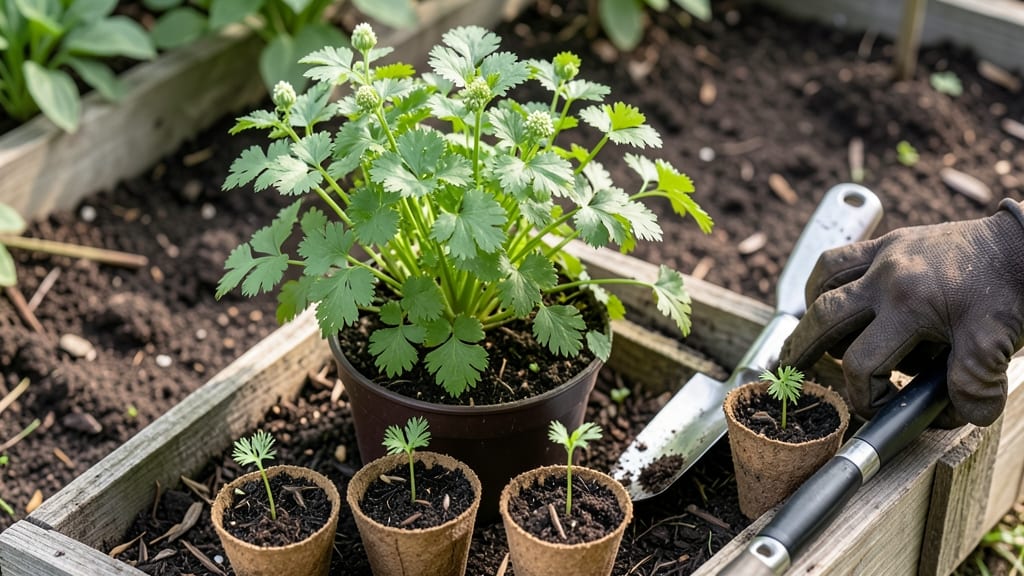
Timing your cilantro planting in Southern California is the secret to avoiding bitter, bolted plants that ruin your salsa and tacos. The wrong month means watching your 🌿 turn into a sad, flowering stalk instead of the fresh herb you crave.
Here's the truth: coastal areas in zones 9b-11 have two perfect windows—September-October and February-March
What if you want cilantro all year? I'll show you how to stretch your harvest through shade tricks and smart spacing that actually work in our Mediterranean climate. No more guessing games—just consistent, flavorful cilantro from your own garden. Let's break down the exact months that'll give you 45-60 days of perfect harvests, plus how to handle those tricky coastal vs. inland differences that make all the difference. Your next batch of homemade guacamole starts here.
Best months to plant cilantro in Southern California (avoiding bolting)
Southern California's mild winters and hot summers create the perfect storm for cilantro bolting if you're not careful. The key is planting during cooler months when temperatures stay below 75°F. For most of SoCal, this means focusing on early fall and late winter windows—where the magic happens.
Cilantro thrives in USDA Zones 9b-11, but within that range, microclimates matter. Coastal areas like Malibu or San Diego can handle slightly later plantings than inland spots like Palm Springs or Riverside. Let's break down the exact months that work best for each region.
🌱 Did You Know? Cilantro bolts when day temperatures exceed 75°F or night temps stay above 60°F. This is why timing is everything in our climate!
| Region | Best Planting Window | Temperature Range | Harvest Window | Key Tip |
|---|---|---|---|---|
| Coastal (LA, Orange County, San Diego) | September 15 - October 31 February 1 - March 15 |
50-70°F (day) 45-55°F (night) |
October-November April-May |
Use 30% shade cloth in summer |
| Inland Valleys (San Fernando, Antelope) | August 20 - September 30 January 15 - February 15 |
60-72°F (day) 40-50°F (night) |
September-October March-April |
Plant near tomatoes or beans for shade |
| Desert (Palm Springs, Joshua Tree) | August 1 - September 15 December 15 - January 31 |
65-75°F (day) 45-55°F (night) |
September-October February-March |
Use drip irrigation only |
For coastal gardeners, the September-October window is ideal because daytime temps stay in the 60s-70s while nights dip into the 50s. This creates perfect growing conditions without the heat stress that triggers bolting.
If you're in San Diego or Santa Barbara, you might even squeeze in a late winter planting (February-March) for a spring harvest.
Inland areas like the San Fernando Valley or Antelope Valley experience hotter afternoons, so I recommend planting earlier in August or pushing to late September. The goal is to get your cilantro established before temperatures climb above 75°F during the day.
For desert regions, the window is even tighter—focus on August and December when nights are cooler.
One pro tip I've learned from years of trial and error: succession planting every 2-3 weeks within these windows gives you a continuous harvest. For example, plant a batch in late September, then another in mid-October, and a final one in early November for staggered harvests through winter.
If you're new to cilantro growing, here's a critical rule: Never plant cilantro in June, July, or August unless you're using shade cloth and drip irrigation.
The combination of heat and drought will send your plants bolting within 2 weeks. I've seen this happen to even experienced gardeners who underestimate SoCal's summer intensity.
For urban gardeners with limited space, container growing works well if you choose the right timing. Plant in September or February and keep pots in partial shade. Just remember: containers dry out faster, so check soil moisture daily during heatwaves. A self-watering planter can be a game-changer here.
Finally, pay attention to moon phases if you're serious about maximizing growth. Planting during the waxing moon (when the moon is growing) encourages leafy growth, which is perfect for cilantro. Check a lunar planting calendar for your specific region to align your planting with optimal conditions.
With these exact months and microclimate considerations, you'll avoid the bitter disappointment of watching your cilantro bolt before harvest. Instead, enjoy fresh, flavorful leaves straight from your garden for months—not weeks.
Best months to plant cilantro in Southern California (avoiding bolting)
Southern California’s mild winters and hot summers create a tricky balance for growing cilantro. The key is planting during cooler months when temperatures stay below 75°F—any hotter, and your cilantro will bolt (send up flower stalks) faster than you can say "guacamole."
Let’s break down the ideal planting windows by microclimate to maximize your harvest.
For coastal areas (like San Diego or Santa Barbara), your best bet is September through October. These months offer mild daytime temps (60s-70s°F) and cooler nights, giving cilantro the perfect environment to thrive without bolting.
Inland areas (like the Central Valley or desert regions) should aim for February through March, when nights are cooler and heat stress is minimal.
| Microclimate | Best Planting Months | Ideal Soil Temp | Bolting Risk |
|---|---|---|---|
| Coastal (San Diego, Santa Barbara) | September–October | 60–75°F | Low (with shade) |
| Inland (Central Valley, Desert) | February–March | 55–70°F | Moderate (watch for heat spikes) |
| High Desert (Palm Springs) | October–November | 50–65°F | High (needs shade cloth) |
If you’re eager to grow cilantro in summer months, don’t despair! You can try late August for coastal areas or November for inland spots, but be prepared to use shade cloth (30-50%) to protect your plants from afternoon heat.
Even a few hours of direct sun during peak summer can trigger bolting, so morning sun only is your best bet.
Pro tip: Direct sow seeds rather than transplanting seedlings. Cilantro seedlings are heat-sensitive, and store-bought plants often bolt faster. Start seeds indoors in late summer (for fall planting) or early winter (for spring planting) to give them a head start in cooler conditions.
Remember, cilantro is a cool-season crop, so it won’t tolerate consistent temps above 80°F. If you’re in a hotter inland area, consider growing cilantro in containers so you can move them to shaded spots during heatwaves.
With the right timing, you can enjoy fresh cilantro for 6-8 weeks before bolting sets in.
Timing your cilantro correctly isn’t just about avoiding bolting—it’s about maximizing flavor and yield. By following these microclimate-specific guidelines, you’ll be well on your way to a bountiful harvest of fresh, vibrant cilantro all season long. 🌿