
Plants
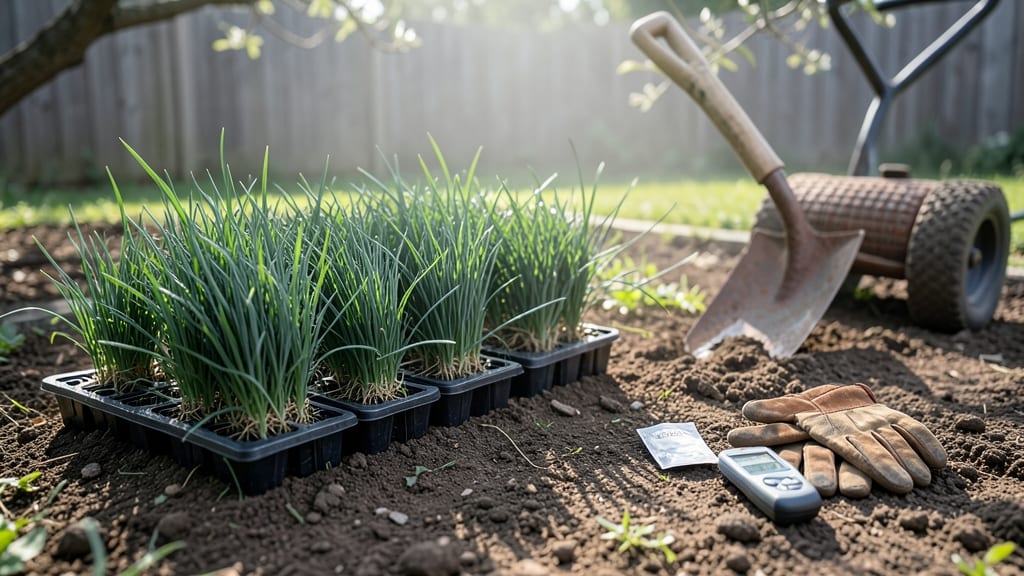
Planting fescue grass at the wrong time in South Carolina can leave your lawn thin, weak, and struggling to survive the heat—so getting the timing right is the key to a thick, green yard all season long.
If you've ever watched your grass turn brown under the summer sun or fail to take root after planting, you're not alone. The secret to success lies in understanding when to plant fescue—and it’s not just about picking a random weekend in spring.
For USDA zones 7b-8a, the ideal window is late summer to early fall, when temperatures cool and rain becomes more reliable.
Why does timing matter so much? Fescue establishes roots best when soil temperatures drop below 80°F, which happens naturally in August and September. Planting too early means battling heat stress, while waiting too long risks weak growth before winter sets in.
I’ll show you exactly how to time it right for your specific region in South Carolina—whether you're in the coastal areas or the Piedmont.
Ready to transform your lawn? Let’s break down the best months, soil prep tips, and post-planting care to ensure your fescue thrives year after year—no guesswork required.
Best months to plant fescue grass in South Carolina for maximum growth
South Carolina’s humid subtropical climate means timing is critical for fescue success. Planting too early exposes seedlings to scorching summer heat, while waiting too late risks weak root establishment before winter.
The ideal window is late summer to early fall, when temperatures cool and rainfall increases—perfect conditions for deep root growth before dormancy.
For coastal SC, aim for August through September to avoid hurricane season disruptions. Inland areas like the Upstate can extend planting into early October, but stop by mid-October to allow 4-6 weeks for roots to establish before frost.
Spring planting is possible but riskier due to spring heat waves and drought stress.
Here’s the golden rule: Plant 4-6 weeks before your area’s first frost date (typically mid-November in SC). This gives fescue enough time to develop a strong root system before winter dormancy. Use soil thermometers—ideal planting temps are 60-75°F.
🌱
| Planting Window | Best Months | Why It Works | Soil Temp |
|---|---|---|---|
| Late Summer | August | Cooler temps, higher humidity, and less competition from weeds. | 65-75°F |
| Early Fall | September-October | Optimal root growth before frost; 6-8 weeks to establish. | 60-70°F |
| Spring (Risky) | March-April | Only for overseeding existing lawns; high heat/drought risk. | 55-65°F |
| Avoid | May-July | Extreme heat and drought stress kill seedlings. | Above 80°F |
If you’re overseeding an existing lawn, late August is your best bet. This timing lets new seeds compete with weeds while still benefiting from fall rains. For new lawns, spread seed in early September and keep soil consistently moist for 3-4 weeks to encourage germination.
Pro tip: Use a starter fertilizer with high phosphorus (e.g., 10-20-10) to boost root development. Avoid nitrogen-heavy fertilizers early—they promote top growth, not roots. Water lightly twice daily (morning and evening) until seedlings are 2 inches tall, then taper to deep, infrequent watering.
SC’s microclimates matter—coastal areas stay warmer longer, while the Upstate cools faster. Adjust your planting date 1-2 weeks earlier in inland zones if frost arrives early. Always check your local extension office for frost date updates—they’re your best resource for hyper-local advice.
Remember: Fescue thrives on patience. Rushed planting leads to thin, patchy lawns. Give your grass time to root deeply, and you’ll reward yourself with a dense, drought-resistant carpet come spring. 🌿
How South Carolina’s climate zones affect fescue planting timing
South Carolina’s diverse climate zones—from the cool Upstate to the humid Coastal Plain—mean planting fescue at the wrong time can spell disaster for your lawn. The Upstate (Zone 7b) enjoys milder summers, while the Coastal Plain (Zone 8a) bakes under intense humidity.
These differences shift your ideal planting window by weeks, sometimes even months.
In the Upstate, where temperatures drop earlier, you can push planting into early October without stress. But in the Coastal Plain, heat lingers longer, so aim for mid-September to avoid summer’s brutal heat.
The Midlands (Zone 8a) falls in between, favoring late August to early September for optimal root growth before winter.
🌱 Key factor: Soil temperatures below 65°F signal it’s time to plant. Use a soil thermometer to check—especially in the Coastal Plain, where summer heat delays cooling.
Adjust for microclimates too—shady spots stay cooler longer, while south-facing lawns dry out faster. Test your soil’s drainage before planting: fescue hates soggy roots, especially in the Coastal Plain’s rainy season. Amend clay soil with compost to improve aeration.
💧 Pro tip: In the Upstate, plant tall fescue varieties like ‘Kentucky 31’ by September 15th to ensure roots establish before winter. Coastal areas should opt for fine fescue blends like ‘Creeping Red’ for drought tolerance.
Timing isn’t just about months—it’s about heat, humidity, and soil. Skip the guesswork: check your USDA zone, monitor soil temps, and plant when conditions align. Your lawn’s resilience depends on it!