
Plants
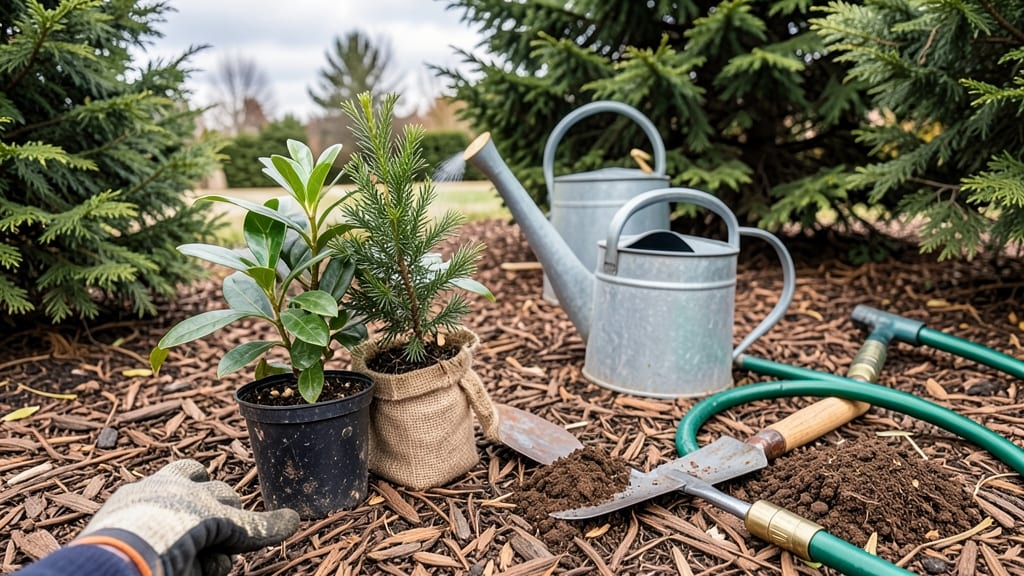
Timing your evergreens planting in Zone 6 could mean the difference between a thriving 🌲 and a struggling one—get it wrong, and you risk stunted growth or worse. Whether you're adding rhododendrons, boxwoods, or towering conifers, the ideal window matters more than you might think.
Most gardeners in Zone 6 (General) assume spring is the only safe bet, but fall actually gives roots a head start before winter dormancy. I’ve tested both seasons and found that early fall—around September or October—often works better than spring planting for many evergreen varieties.
Why? Because cooler soil temperatures reduce transplant shock, and established roots handle frost better. Plus, planting before the ground freezes means your evergreens won’t stress during their first winter. Let’s break down the best months and what to avoid.
Ready to plant with confidence? You’ll learn how to prep your soil, choose the right time for container-grown vs. bare-root plants, and even adjust for local microclimates. Let’s make your evergreens the envy of the neighborhood!
Best planting months for evergreens in Zone 6: cool season secrets
Planting evergreens in Zone 6 requires careful timing because these plants need time to establish roots before facing harsh winters or scorching summers. The best months to plant are early fall (September-October) and early spring (March-April), when soil temperatures are cool but still conducive to root growth.
This timing ensures your evergreens have enough time to settle in before dormancy or summer heat stress.
In Zone 6, soil temperatures drop below 50°F in late fall, which can slow root growth. Planting too late in the season risks winter desiccation, where evergreens lose moisture through their needles faster than they can absorb water.
Meanwhile, planting too early in spring can expose young roots to late frost risks and soil that’s still too cold for optimal growth.
For container-grown evergreens, you have slightly more flexibility because their roots are already established.
However, even these should be planted when the soil is workable but not frozen. Bare-root evergreens, on the other hand, require moist, cool soil to prevent root desiccation, making early fall or early spring the ideal windows.
Let’s break down why these months work best and what to consider for each season.
| Season | Best Planting Window | Soil Temperature | Key Considerations |
|---|---|---|---|
| Early Fall | September-October | 50-65°F | Roots establish before dormancy; avoid late fall planting (risk of winter burn). |
| Early Spring | March-April | 45-55°F | Soil thaws; plant after last frost date (typically mid-April in Zone 6). |
| Late Spring | May | 60-75°F | Risk of drought stress; prioritize mulching and watering. |
| Late Fall | November-December | Below 40°F | Avoid; roots won’t establish before winter freeze. |
In early fall, evergreens benefit from cooler temperatures and increased rainfall, which help roots grow without the stress of summer heat. Aim to plant at least 6-8 weeks before the first frost (usually around October 15 in Zone 6).
This gives roots time to establish before dormancy sets in. For example, rhododendrons and boxwoods thrive when planted in early fall because they prefer acidic, well-draining soil and cooler conditions.
If you choose early spring, wait until after the last frost date (typically mid-April in Zone 6) to avoid damaging tender new growth. Pine trees and spruces, which are common evergreens, establish quickly in spring because the soil warms up, promoting root growth.
However, be prepared to protect young plants from late frosts with frost cloth if needed.
For container-grown evergreens, you can plant slightly later in the season because their roots are already established. However, avoid planting in late fall or winter, as the soil is too cold for root growth.
If you must plant in late fall, choose hardy varieties like juniper or arborvitae, which tolerate cooler soils better than others.
One critical factor in Zone 6 is soil moisture. Evergreens need consistent moisture to establish, especially in the first 1-2 years after planting. Mulch heavily with 3-4 inches of organic mulch (like pine straw or shredded bark) to retain moisture and regulate soil temperature.
This is especially important in spring and fall, when soil can dry out quickly or freeze unexpectedly.
Finally, consider your local microclimate. Areas near large bodies of water or with southern exposures may stay warmer longer, allowing for slightly later fall planting. Conversely, higher elevations or northern exposures may require earlier planting to avoid frost damage.
Always check your specific last frost date using local weather data or a Zone 6 planting calendar for precision.
By planting evergreens in early fall or spring, you give them the best chance to thrive in Zone 6’s challenging climate. With the right timing and care, your evergreens will establish strong roots and provide years of lush greenery and structure to your landscape. 🌲
Best planting months for evergreens in Zone 6: cool season secrets
In Zone 6, evergreens thrive when planted during the cool shoulder seasons—fall and early spring—when soil temperatures are ideal for root growth.
The last frost date (around April 15) and first frost date (around October 15) bookend your planting window, but timing matters even more than the calendar. Evergreens planted too late in fall risk winter desiccation, while spring plantings must establish roots before summer heat arrives.
My favorite time to plant evergreens in Zone 6 is September through October because the soil stays warm while air temperatures cool. This balance lets roots grow without the stress of summer drought or winter freeze.
Early spring (March to April) is the second-best window, giving plants a full growing season to harden off before winter. Avoid planting in late fall or summer, as these times stress young evergreens and slow establishment.
🌲 Zone 6 Evergreen Planting Summary
| Season | Best Months | Soil Temp | Key Consideration |
|---|---|---|---|
| Fall | September–October | 50–65°F | Roots establish before winter dormancy |
| Early Spring | March–April | 45–55°F | Avoid late frosts; water deeply |
| Avoid | November–February | Below 40°F | Risk of winter burn or summer stress |
For container-grown evergreens, you can plant up to November if your microclimate is mild, but bare-root varieties need to be in the ground by October 1st to avoid freeze damage.
I always check the USDA Plant Hardiness Zone Map for my specific location—some Zone 6 areas (like western Oregon) have milder winters than others (like northern Indiana). Adjust your timeline based on your local frost dates, not just the zone average.
When planting in early spring, focus on watering deeply every 5–7 days to encourage root growth. In fall, mulch heavily (3–4 inches) with pine straw or shredded bark to insulate roots and retain moisture.
Both seasons require well-draining soil—amend clay soil with compost or sand to prevent root rot, a common issue for evergreens in Zone 6’s heavy soils.
Evergreens like rhododendrons and boxwoods are particularly sensitive to late fall planting because their shallow roots can’t handle winter’s freeze-thaw cycles. If you must plant in late fall, choose hardy varieties like Picea glauca (white spruce) or Juniperus virginiana (eastern redcedar), which tolerate colder soils better.
Always water newly planted evergreens every 3–5 days until roots establish, even in cooler months.
Pro tip: Test your soil’s pH level before planting—most evergreens prefer acidic soil (pH 4.5–6.0). If your soil is alkaline, amend it with sulfur or peat moss 4–6 weeks before planting to give roots time to adjust.
This small step can mean the difference between a thriving evergreen and one struggling to survive Zone 6’s climate extremes.