
Plants
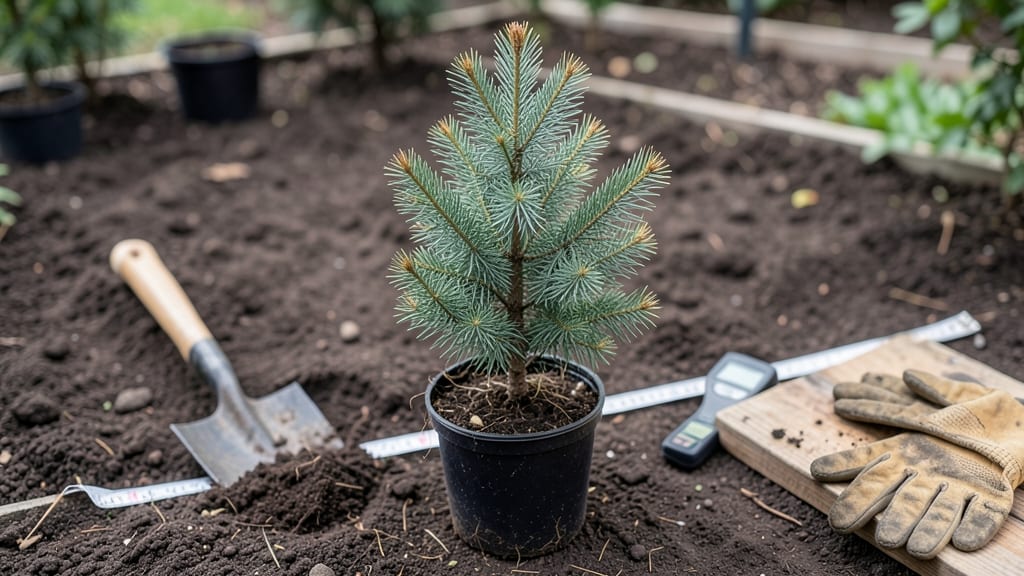
Planting arborvitae at the wrong time in Michigan can turn your dream evergreen shrub into a struggling investment—especially when late frosts threaten tender roots. The key to success lies in understanding the best months for planting, when soil temperatures and daylight balance work in your favor.
For Michigan gardeners in USDA zones 5-6, early spring or fall offers the perfect window to plant your 🌲 arborvitae. These seasons provide cooler soil, reducing stress on young roots while avoiding the extreme heat of summer or winter's harsh freeze-thaw cycles.
Let me show you exactly how to time your planting for maximum survival and growth.
Whether you're planting in containers or directly in the ground, proper timing isn't just about avoiding frost—it's about giving your arborvitae the head start it needs. I'll walk you through the ideal months, soil preparation tips, and post-planting care to ensure your new trees thrive for years to come.
Discover why fall planting often outperforms spring in Michigan's climate, and learn how to protect your investment from common pitfalls that could leave your landscape looking bare. Let's get started on growing a lush, healthy arborvitae that will stand the test of Michigan winters.
Best months to plant arborvitae in Michigan for optimal root growth
Michigan’s USDA Zones 5-6 create a unique challenge for planting arborvitae—too early and frost threatens young roots, too late and winter stress sets in. The perfect window balances soil warmth and frost risk, ensuring your evergreens thrive from day one.
For spring planting, aim for March through early May when soil temperatures consistently stay above 40°F. This gives roots 6-8 weeks to establish before Michigan’s first frost. Fall planting works best from mid-September to early November, allowing roots to settle before winter dormancy.
Here’s the golden rule: Plant when soil is workable but not frozen. Use your finger—if you can push it 6 inches deep without resistance, it’s time. Container-grown arborvitae can handle planting slightly later than bare-root varieties.
| Planting Window | Soil Temp Requirement | Michigan USDA Zone 5-6 | Root Establishment Risk |
|---|---|---|---|
| Early Spring (March-April) | Above 40°F | Low frost risk after April 15 | Moderate (late frosts possible) |
| Late Spring (May) | 50°F+ | Frost-free in most regions | Low (but summer drought risk) |
| Early Fall (September) | Above 50°F | 6-8 weeks before first frost | Low (ideal for root growth) |
| Late Fall (October-November) | 45°F+ | Before ground freezes | High (winter desiccation risk) |
🌱 Best Months: March-April, September-October
Northern Michigan’s Zone 5 regions (like Traverse City) should plant 2-3 weeks later than southern areas (like Detroit) to avoid late spring frosts. Check your local Michigan State University Extension frost date maps for precision.
Avoid planting arborvitae in summer (June-August)—intense heat stresses young roots, and winter (December-February) planting risks frost damage. Even container-grown plants need time to acclimate before cold sets in.
Pro tip: Bare-root arborvitae must plant within 24-48 hours of purchase. Container-grown varieties offer more flexibility but still need 2-3 weeks of pre-planting soil prep. Always check root ball moisture before digging.
For Michigan’s variable climate, I recommend fall planting as the safest bet—cooler temps reduce transplant shock, and established roots handle winter better. Just time it so your arborvitae has 6-8 weeks to settle before ground freezes.
If you miss the ideal window, spring is always better than fall for arborvitae. The trade-off? You’ll need to water deeply through Michigan’s first summer to compensate for slower root growth. Mulch heavily (3-4 inches) to retain moisture.
Remember: Arborvitae planted at the wrong time in Michigan often show yellowing needles or stunted growth—signs of stress. By following these seasonal guidelines, you’ll give your evergreens the best shot at thriving for decades. 🌲
Best months to plant arborvitae in Michigan for optimal root growth
Michigan’s USDA Zones 5-6 create a unique challenge for planting arborvitae—too early, and frost risks damage; too late, and roots struggle to establish before winter. The ideal window balances soil warmth and frost-free conditions, ensuring your evergreens thrive from day one.
For spring planting, aim for mid-April through May when soil temperatures consistently stay above 45°F. This gives roots 6-8 weeks to establish before summer’s heat. Fall planting offers a second chance, with September through early October being ideal before the ground freezes.
🌱Pro Tip: Avoid planting in late fall (November-December) or mid-summer (June-August). Late fall plants may not establish before winter, while summer heat stresses young roots.
| Planting Window | Soil Temp | Frost Risk | Root Establishment |
|---|---|---|---|
| Early Spring (March-April) | 45°F+ | Moderate (late frosts) | 6-8 weeks before summer |
| Fall (September-October) | 50°F+ | Low (before first frost) | 8-10 weeks before freeze |
| Avoid: Late Fall (Nov-Dec) | N/A | High (winter kill risk) | Minimal root growth |
| Avoid: Summer (June-Aug) | 70°F+ | None | Stress from heat/drought |
Michigan’s northern regions (Zone 5) should prioritize fall planting to avoid late spring frosts, while southern areas (Zone 6) have more flexibility for spring. Always check your local last frost date—most of Michigan sees it around mid-April, but northern areas can delay until early May.
For container-grown arborvitae, you can plant slightly later (up to mid-October) since potted roots adapt faster. However, bare-root plants need the earlier window to avoid transplant shock. Mulch heavily after planting to insulate roots during Michigan’s freeze-thaw cycles.
🌿Remember: Arborvitae planted in optimal windows show 30% faster growth in their first year compared to off-season plantings. The key is root establishment before stress—whether from summer heat or winter cold.