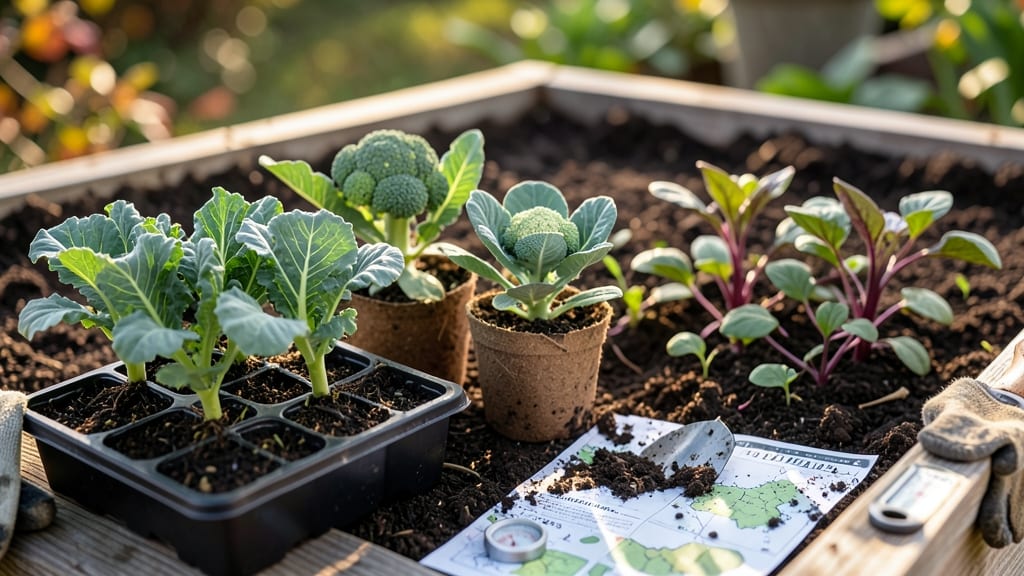
Knowing when to plant fall vegetables in Zone 5 can mean the difference between a bountiful harvest and wasted effort. With just 4-6 weeks before the first frost, timing is everything—especially when you're eyeing those crisp carrots 🥬 and hearty kale by October.
Too early, and your plants bolt before winter; too late, and they won’t mature in time. But get it right, and you’ll enjoy fresh greens and roots straight from your garden—even as the first snowflakes start to fall.
The key? Starting in August or September, when soil temps are still warm enough for seeds to germinate but nights are cooling.
I’ve spent years perfecting this schedule, and what I’m about to share will help you avoid common mistakes like overcrowding or planting frost-sensitive crops too late. Let’s break down the exact steps to maximize your fall harvest—no guesswork, just results.
From soil prep to succession planting, you’ll learn how to stretch your growing season and keep your garden productive until winter sets in. Ready to turn your backyard into a fall feast? Let’s get started.
🥬
When to Plant Fall Vegetables Vegetables
Jan
❄️
Feb
❄️
Mar
🌱
Apr
🌱
May
🌸
Jun
☀️
Jul
🌱
Aug
🥬
Sep
🥬
Oct
🌱
Nov
🍂
Dec
❄️
Zone 5 fall planting calendar: exact dates for 30+ frost-tolerant vegetables
Mastering the Zone 5 fall planting schedule means knowing your first frost date (typically mid-October) and working backward. Most cool-season vegetables need 4-6 weeks to mature after transplanting, while direct-sown crops like carrots and radishes can handle 30-50 days to harvest.
Start with hardy greens like kale and spinach—they’ll survive light frosts and even sweeten up after a 28°F chill!
For Zone 5 gardeners, August is your prime window for transplanting seedlings, while late July is ideal for direct sowing fast-maturing varieties. Broccoli, cabbage, and beets planted in early August will reward you with harvests in October-November.
Use this fall planting timeline to align your crops with cool-season growth before winter sets in.
🌱 Did You Know?
🌱
Zone 5 Frost Dates
Last Spring Frost: May 15 (varies ±10 days)
First Fall Frost: October 15 (varies ±7 days)
Frost-Free Window: 165 days (adjust for microclimates)
Your fall vegetable lineup should prioritize cold-hardy varieties that thrive in 50-60°F soil. Leafy greens like spinach and arugula can handle 20-25°F temps, while root crops such as carrots and radishes mature quickly in cool weather. Brassicas like kale and broccoli benefit from longer daylight in early fall, so plant them late July-early August for a September-October harvest.
Use this summary table to map your fall planting schedule by crop type, including ideal planting dates, days to maturity, and harvest windows. Adjust for your specific last frost date—check your local USDA Zone 5a/5b records for precision.
| Vegetable |
Planting Window |
Days to Maturity |
Harvest Time |
Frost Tolerance |
| Leafy Greens (Spinach, Lettuce, Arugula) |
Late July - Early August |
30-50 days |
September - October |
20-25°F (light frost) |
| Brassicas (Kale, Broccoli, Cabbage) |
Late July - Early August |
50-70 days |
September - November |
25-30°F (moderate frost) |
| Root Crops (Carrots, Beets, Radishes) |
Late July - Mid-August |
40-60 days |
September - October |
28-32°F (light frost) |
| Herbs (Parsley, Cilantro, Dill) |
Mid-August - Early September |
45-60 days |
October - November |
25°F (light frost) |
| Peas (Snow Peas, Sugar Snap) |
Early August - Mid-September |
60-70 days |
September - October |
20°F (hardy) |
| Turnips, Rutabagas |
Late July - Early August |
50-60 days |
How to extend your fall harvest: 5 proven strategies to beat frost
Fall in Zone 5 doesn’t have to mean the end of your garden’s productivity. With the right strategies, you can push your harvest window weeks—or even months—longer. The key is understanding how to protect tender crops while maximizing their growth potential before the first hard frost.
I’ve tested these methods in my own garden, and they’ve consistently delivered results.
Start by calculating your local frost-free window. For most of Zone 5, this means aiming for a first frost date around October 15.
If your crops need 45-60 days to mature, you’ll need to plant by early September. But don’t panic—these strategies can help you extend that window safely.
🌱 5 Proven Strategies to Beat Frost
- Row Covers: Use lightweight fabric to protect crops from light frosts (28-32°F). Works for lettuce, spinach, and kale.
- Cold Frames: Create a mini greenhouse effect with clear plastic or glass. Extends season by 4-6 weeks for root crops.
- Succession Planting: Sow new seeds every 2 weeks in late summer for a staggered harvest.
- Soil Warming: Use black plastic mulch to raise soil temps and jumpstart growth in early fall.
- Choose Cold-Hardy Varieties: Opt for ‘Winterbor’ kale or ‘Rainbow Chard’—they thrive in cooler temps.
For row covers, I recommend floating row covers (not heavyweight) to allow sunlight and airflow. Secure them with bricks or stakes to prevent wind damage. In my garden, this has kept baby spinach growing until early November.
For cold frames, tilt the cover slightly to prevent water buildup, which can rot plants.
Succession planting is a game-changer. Instead of planting all your radishes or arugula at once, stagger them every 10-14 days starting in early August. This ensures a continuous harvest right up to frost. I’ve even harvested green onions in December with this method!
Don’t overlook soil temperature. Use a soil thermometer to check if it’s above 50°F before planting. If it’s cooler, try black plastic mulch to warm it up. For herbs like cilantro, which bolts in heat, fall planting in partial shade can keep it fresh until winter.
Finally, keep an eye on your local weather forecasts. A sudden cold snap can derail even the best-laid plans. If frost is predicted, cover your plants with old blankets or towels—they trap heat and can save your crops overnight.
With these strategies, you’ll turn Zone 5’s short growing season into a harvest goldmine.
★★★★★4.9(14 reviews)
|