
Plants
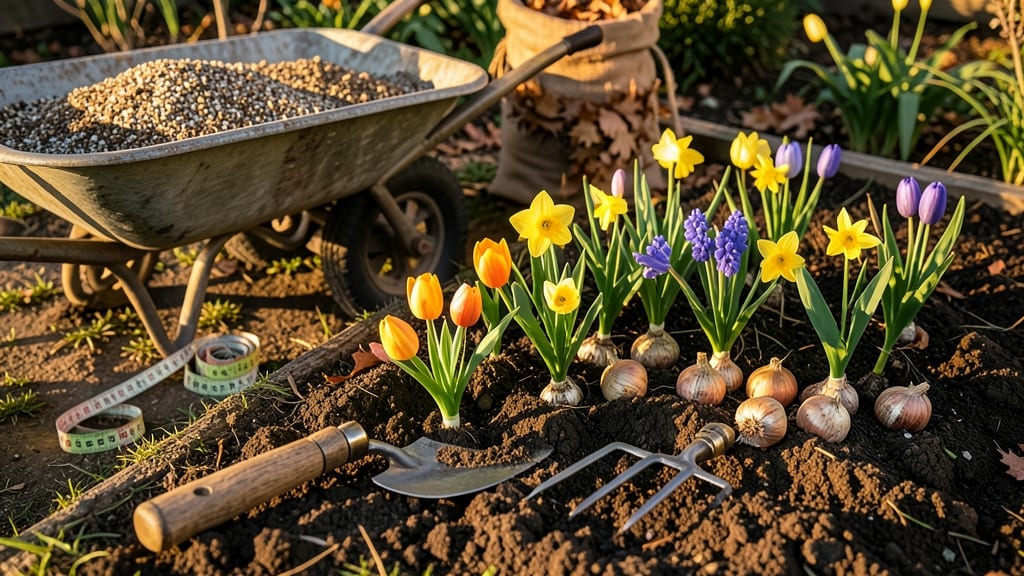
The best time to plant fall bulbs isn’t just about picking a random weekend—it’s about giving your 🌱 a head start for a showstopping spring display. Whether you’re in zone 6a or further south, planting too early or too late can leave your bulbs struggling to establish roots before winter sets in.
Think of it like prepping for a big race: you wouldn’t start training too soon (and risk burnout) or too late (and risk failure). The ideal window is 6-8 weeks before your first frost, typically landing in September or October for most gardeners.
This timing ensures bulbs have time to root deeply before the ground freezes, setting them up for vibrant blooms next spring.
But here’s the catch: not all bulbs are created equal. Chill-resistant varieties like daffodils and crocuses handle shorter fall windows better than tulips, which need more time to harden off.
I’ll break down exactly how to time your planting based on your local frost date—and why getting it right makes all the difference.
Ready to transform your garden? Let’s dive into the science behind perfect timing, so you can enjoy those first signs of spring without the guesswork.
How local frost dates determine your fall bulb planting window
Understanding your local frost dates is the key to successful fall bulb planting. Most bulbs need 6-8 weeks in the ground before the first hard frost to establish roots. This window ensures they’ll survive winter’s chill and bloom vibrantly in spring.
For example, in USDA Zone 5, where frost typically arrives by mid-October, aim to plant bulbs by early September. In warmer Zone 9, where frost comes later (December), you can plant as late as November.
Soil temperature plays a critical role too. Bulbs like daffodils and tulips thrive when soil cools to 60°F (15°C)—a signal they’re ready to root. Use a soil thermometer if unsure, or check your local cooperative extension service for frost predictions.
In my garden, I mark my calendar for 6 weeks before frost and start planting then, even if the air is still warm.
Regional variations matter. Northern gardeners (Zones 3–5) should plant early September to avoid early freezes, while Southern gardeners (Zones 7–10) can wait until October or November. Chill-resistant varieties, like snowdrops and grape hyacinths, adapt better to shorter chill periods, making them ideal for milder climates.
Even in my Zone 6a garden, I prioritize these varieties for flexibility.
Don’t rely solely on the calendar—watch for soil conditions. Bulbs need well-draining soil to prevent rot. If your soil stays soggy after rain, plant in raised beds or amend with compost or sand.
I always test my soil’s drainage by digging a hole, filling it with water, and timing how long it takes to drain. If it’s slower than 4 hours, I’ll add organic matter to improve it.
Timing also affects bloom performance. Bulbs planted too early may sprout and get damaged by late frosts, while those planted too late won’t root deeply enough. My rule of thumb?
Plant when daytime highs average 70°F (21°C) but nights dip below 60°F (15°C). This balance signals bulbs to start rooting without encouraging premature growth.
Here’s a pro tip: Use mulch after planting to insulate bulbs from temperature swings. A 3-inch layer of straw or shredded leaves helps regulate soil temps and retains moisture.
I always mulch my tulip beds in late fall to protect them from freezing and thawing cycles, which can damage emerging roots.
| USDA Zone | First Frost Date | Ideal Planting Window | Chill-Resistant Varieties |
|---|---|---|---|
| 3–5 | Mid-September to October 15 | Early September (6–8 weeks before frost) | Daffodils, Crocus, Snowdrops |
| 6–7 | October 15–November 1 | Mid-September to early October | Tulips, Hyacinths, Alliums |
| 8–10 | November 15–December 15 | October–November (soil temps <60°F) | Rain Lilies, Cyclamen, Spanish Bluebells |
If you’re unsure about your frost date, check resources like the National Oceanic and Atmospheric Administration (NOAA) or your local weather service. I once planted tulip bulbs too late in Zone 6a because I misjudged the frost date, and they barely bloomed the next spring.
Now, I double-check and adjust my schedule accordingly. Even a 1-week delay can reduce bloom quality or quantity.
For gardeners in transition zones (e.g., Zone 7b), where frost dates vary yearly, consider using microclimate strategies. Plant bulbs in sheltered spots, like near south-facing walls or under deciduous trees that lose leaves in winter.
This extends your planting window by 1–2 weeks and protects bulbs from early cold snaps. In my garden, the south-facing border stays warmer longer, letting me plant hyacinths a little later than the calendar suggests.
Finally, remember that bulb size matters. Larger bulbs (e.g., 12-inch daffodils) establish roots faster than smaller ones, so they can handle later planting. I always prioritize size 1 or 2 bulbs for my fall plantings to ensure they’re ready for winter.
Smaller bulbs may need an extra week or two to root properly, so adjust your timing accordingly.
Top 5 chill-resistant bulbs and their ideal planting timelines
Not all bulbs thrive in every climate, but these chill-resistant varieties are perfect for fall planting—even in regions with shorter growing seasons. The key is planting them 6-8 weeks before your first frost, allowing roots to establish before winter sets in.
Let’s explore the top 5 bulbs and their exact timing needs.
Daffodils (Narcissus) top the list for their hardiness. Plant them 4-6 weeks before frost in zones 3-10. Their yellow and white blooms appear early spring, often pushing through snow. For best results, choose varieties like 'Tête-à-Tête' for compact gardens or 'Ice Follies' for dramatic height.
Tulips (Tulipa) need slightly more chill time—aim for 6-8 weeks before frost. In warmer climates (zones 7-10), opt for late-blooming varieties like 'Darwin Hybrid' tulips, which handle heat better. Plant them deeper (8 inches) to prevent squirrel theft and improve winter survival.
Daffodils
Tulips
Crocuses (Crocus) are winter bloomers that thrive when planted 8-10 weeks before frost. Their purple, white, or yellow flowers often emerge through snow in zones 3-8. These low-growing perennials naturalize beautifully in lawns or rock gardens, requiring minimal care once established.
Alliums (Allium) like 'Purple Sensation' add dramatic height and texture. Plant them 6-8 weeks before frost in zones 4-9. Their globular purple blooms appear in late spring, attracting pollinators. For a bold statement, group them in odd-numbered clusters (e.g., 3, 5, or 7 bulbs).
Snowdrops (Galanthus) are the earliest bloomers, often pushing through snow in late winter. Plant them 6-8 weeks before frost in zones 3-8. Their delicate white flowers symbolize hope and are deer-resistant. Choose partially shaded spots to extend their bloom time.
For all these bulbs, soil temperature is critical—roots need to establish at 60°F or below before winter. In warmer climates, plant early September; in colder zones, wait until late October. Mulch after planting to insulate bulbs and retain moisture.