
Plants
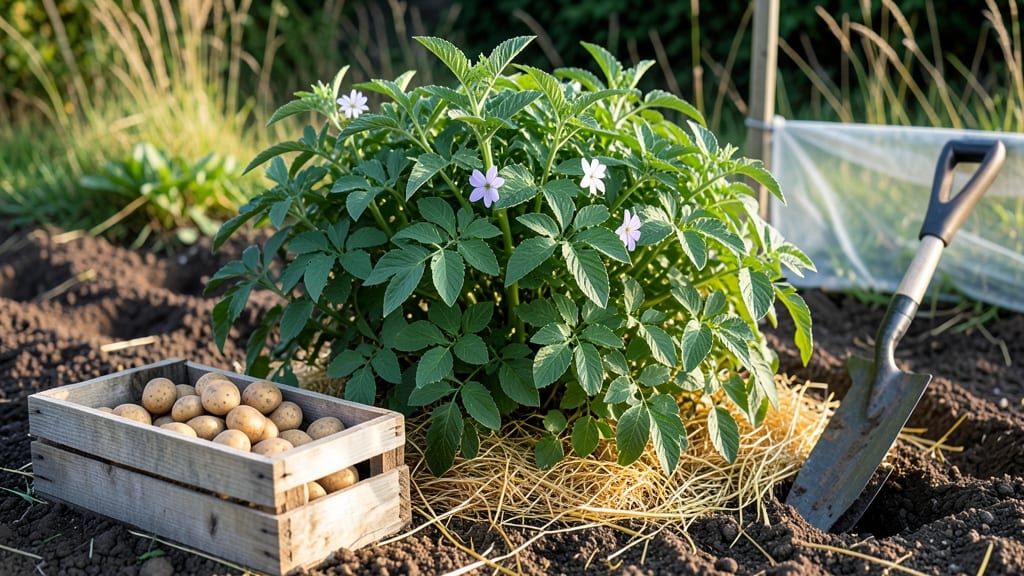
Planting fall potatoes in Louisiana might seem tricky with our long, steamy summers—but timing it right could mean the difference between a meager harvest and a bountiful crop of crisp, flavorful 🥔.
The key isn’t just picking the right month; it’s understanding how Louisiana’s 8a-9b climate demands heat-resistant varieties and smart soil prep to beat the heat.
Most gardeners here wait until September or October to plant, giving tubers time to mature before the first frost (usually around December).
But with our heavy clay soil and humidity, even the best timing won’t work without the right prep—think raised beds, organic matter, and varieties like Yukon Gold that handle the heat.
I’ve tested these methods in my own garden, and the results speak for themselves: larger yields, fewer pests, and potatoes that actually thrive in our climate.
Whether you’re a first-timer or a seasoned grower, these Louisiana-specific tips will help you avoid common mistakes and get the harvest you’ve been dreaming of.
Ready to dig in? Let’s break down the exact steps—from soil secrets to the best varieties—to make your fall potato patch a success, no matter how hot or humid it gets.
Best planting timeline for fall potatoes in Louisiana’s climate
Louisiana’s hot, humid summers and unpredictable fall frost dates make timing critical for successful fall potato harvests. The key is planting 4-6 weeks before the first frost, which typically falls between December 1 and December 15 depending on your USDA zone (8a-9b).
This means your planting window opens in late September to early October, allowing tubers to mature before winter chill sets in.
For Zone 8a (northern Louisiana), aim to plant by October 1 to ensure tubers reach maturity before the January 15 frost. In Zone 9b (southern Louisiana), you have slightly more flexibility, with a planting window extending into early November—just be prepared for earlier harvests to avoid cold damage.
Missed the window? Don’t worry! You can still plant late-summer varieties in August for a spring harvest, though yields may be smaller due to heat stress. The goal is to avoid planting when soil temperatures exceed 85°F, which stunts tuber formation.
| Planting Window | USDA Zone | First Frost | Days to Maturity | Harvest Window |
|---|---|---|---|---|
| Late September | 8a | December 1 | 90-120 days | November - December |
| Early October | 8a | January 15 | 120 days | December - January |
| Early November | 9b | December 15 | 75-90 days | November - December |
| August (Spring Harvest) | 8a-9b | N/A | 120-150 days | February - March |
Pro tip: Use a planting calendar to track your local frost dates. Louisiana State University’s AgCenter provides free frost maps and planting guides—bookmark their site for real-time updates. For example, Shreveport (Zone 8a) has a later frost risk than New Orleans (Zone 9b), so adjust your timing accordingly.
If you’re planting in early September, opt for fast-maturing varieties (75-90 days) to avoid heat stress. Delayed planting? Choose heat-tolerant types like Red LaSoda, which handle Louisiana’s 90°F+ soils better than traditional varieties. Always plant seed potatoes (not grocery store potatoes) to minimize disease risk.
For container growing, stick to smaller varieties like Yukon Gold and plant in 10-gallon pots with well-draining mix. Containers warm up faster, so monitor soil temps closely—ideal planting soil should be 60-70°F. Use a soil thermometer to avoid planting too early when soils are still warm.
Timing isn’t just about frost—it’s also about humidity and disease pressure. Louisiana’s fall weather brings high moisture levels, which can lead to blight and rot.
Planting too late increases this risk, so prioritize early September to mid-October for the best balance of heat tolerance and disease resistance.
Don’t forget to rotate crops if you grew potatoes in spring. Louisiana’s soil often harbors potato pathogens like Verticillium wilt, so avoid planting in the same spot for 3-4 years. If space is limited, use raised beds to improve drainage and reduce disease spread.
For a second fall harvest, try successive planting in early October with baby potato varieties like Red Norland. These mature in 60-75 days, giving you a smaller but quicker crop before winter sets in.
Just be ready to harvest and store tubers indoors once temps drop below 50°F.
🌱
Best planting timeline for fall potatoes in Louisiana’s climate
Louisiana’s hot, humid summers and short frost-free windows demand precise timing for fall potatoes. Unlike northern climates, you can’t wait until spring—late summer planting is key to harvesting before winter.
The goal? Plant 4-6 weeks before your first frost, typically between mid-August and early October, depending on your USDA zone.
In Zone 8a (northern LA), aim for September planting to harvest by November-December. For Zone 9b (southern LA), you’ve got flexibility—late August to October works, with harvests stretching into January if protected from cold snaps.
The trick is balancing heat tolerance and frost risk—too early, and your potatoes bolt; too late, and they won’t mature.
📅 Louisiana Fall Potato Planting Timeline
| Zone | Planting Window | Harvest Window | Key Consideration |
|---|---|---|---|
| 8a (N. LA) | Mid-August–Early Sept | Nov–Dec | First frost: Dec 1 |
| 9b (S. LA) | Late Aug–Oct | Dec–Jan | First frost: Dec 15 |
💡 Pro Tip: Use black plastic mulch to extend your harvest window by 2-3 weeks in cooler zones.
For maximum yield, plant in two successions: one in late August (early harvest) and another in early September (main crop).
This hedges against hurricanes or early frosts, which can devastate a single planting. Certified disease-free seed potatoes are a must—Louisiana’s humidity fuels late blight, a fungal disease that can wipe out crops in weeks.
Timing isn’t just about frost—it’s also about soil temperature. Potatoes thrive when soil stays above 50°F but struggle in 90°F+ heat. Plant when daytime highs drop below 85°F to avoid sprout failure or tuber scab.
Morning soil temps are your best gauge—aim for 60-70°F at planting depth (4-6 inches down).
Don’t overlook daylength sensitivity. Longer days in late summer can trigger premature flowering, reducing tuber size. Choose short-day varieties (like Red LaSoda) or plant under shade cloth (30-50%) if you’re pushing the August window. Evenings in September-October are ideal—cooler temps slow bolting while keeping growth vigorous.
Finally, harvest timing depends on your goal. For baby potatoes, dig when flowers appear (60-70 days). For mature tubers, wait until foliage yellows and dies back (90-120 days).
In Louisiana’s Zone 9b, you can even overwinter potatoes in insulated beds for a spring harvest—just mulch heavily with straw or leaves before frost.