
Plants
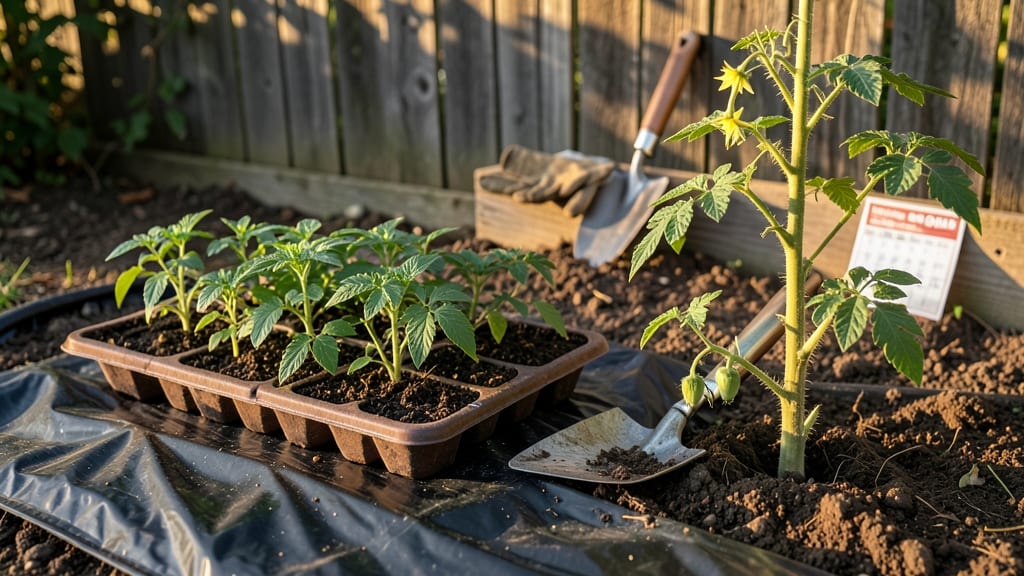
Planting tomatoes in South Carolina at the wrong time can mean the difference between a bumper crop of juicy 🍅 and sad, wilted plants before they even bear fruit.
With frost-free windows that stretch from mid-March to early June, getting your timing right is the key to avoiding common pitfalls like early blight or heat stress that can ruin your harvest.
If you've ever wondered why some gardeners in your area get perfect tomatoes while others struggle, the answer often comes down to understanding your specific heat zone within the state.
South Carolina's climate varies dramatically from the coastal plains to the Upstate mountains, and planting too early in cooler zones or too late in hotter areas can leave your plants vulnerable to temperature swings.
What I'm about to share will help you pinpoint the exact window for your location—whether you're in Charleston's humid coastal zone or Greenville's slightly cooler mountain region. We'll cover everything from soil temperature requirements to how to stretch your growing season for those late-summer varieties that produce until October.
Let's cut through the guesswork so you can enjoy homegrown tomatoes all season long without the frustration of timing mistakes that so many gardeners make every year.
South Carolina tomato planting calendar by heat Zone (avoid frost & heat stress)
South Carolina’s 8 USDA heat zones (7b-9a) create dramatic differences in tomato planting success. The last frost date varies from mid-March in Zone 8a to early April in Zone 7b, while the first frost arrives as early as late October in coastal areas.
These variations mean your planting window could shift by 4-6 weeks depending on where you live.
For most of South Carolina, the ideal transplant window is mid-April to early June, but coastal gardeners in Zone 8a-9a can start as early as late March. Upstate gardeners in Zone 7b should wait until mid-April to avoid late spring frosts that can devastate young plants.
Here’s how to use the SC Heat-Zone Map to pinpoint your perfect planting window: Find your USDA zone (check the SC Extension Service map), then match it to the frost-free timeline below.
For example, if you’re in Charleston (Zone 8a), you can plant 2 weeks earlier than someone in Greenville (Zone 7b).
| USDA Zone | Last Frost Date | Ideal Transplant Window | First Frost Risk |
|---|---|---|---|
| 7b (Upstate: Greenville, Spartanburg) | Mid-April | Late April - Early June | Late October |
| 8a (Piedmont: Columbia, Rock Hill) | Early April | Early April - Mid-June | Early November |
| 8b (Coastal: Charleston, Beaufort) | Late March | Late March - Early June | Mid-November |
| 9a (Coastal Islands: Hilton Head) | Early March | Early March - Late May | Late November |
🌱 Pro Tip: Use row covers to plant 2 weeks earlier in Zone 7b if frost risk is low.
If you’re planting seeds indoors, start them 6-8 weeks before your last frost date. For Zone 7b, that means mid-February to early March, while Zone 8a-9a gardeners can begin as early as January.
Seedlings need 60°F soil to thrive, so always check with a soil thermometer before transplanting.
For heat-sensitive varieties, aim to transplant by mid-May to avoid summer stress. Coastal areas like Charleston can handle June transplants for late-season harvests, but inland zones like Greenville should stick to early June to prevent sunscald or blossom drop.
Remember: Soil temperature matters more than air temperature. Tomatoes won’t germinate well in cold soil, even if the air is warm. Use a black plastic mulch to warm soil faster in Zone 7b areas. In Zone 8a-9a, shade cloth can protect young plants from intense coastal sun.
For a second harvest, try late summer transplants (August) in Zone 8a-9afall tomatoes thrive with shorter days and cooler nights, producing sweeter fruit. Just be ready to harvest before frost, which arrives as early as late October in inland areas.
Missed the spring window? Don’t worry—June is still prime time for heat-tolerant varieties like ‘Celebrity’ or ‘Solar Fire’. These types handle 90°F+ temperatures better than heirlooms. Just mulch heavily and water deeply to keep roots cool.
🌱
How to extend your tomato growing season in South Carolina (early & late planting hacks)
South Carolina’s long growing season gives you flexibility, but early frosts or scorching summer heat can still sabotage your tomato crop. The key to success? Extending your planting window with smart techniques.
I’ve tested these methods in my own garden—some work better than others, but all can push your harvest timeline by weeks or even months.
For early planting, cold frames and row covers create microclimates that protect tender seedlings from late frosts. In my Zone 8a garden, I’ve started tomatoes indoors by late January using grow lights, then transplanted them into cold frames by mid-March.
This gives me a jump on the season and an earlier harvest than my neighbors who wait for the traditional April window.
For late-season extensions, shade cloth becomes your best friend. When temperatures climb above 90°F, tomatoes stop setting fruit. I’ve used 30% shade cloth over my plants in July and August, which keeps them productive well into October.
The trick is to remove the cloth during cloudy days to maintain photosynthesis.
Companion planting also plays a role. I always interplant tomatoes with basil and marigolds—the basil deters pests like whiteflies, while marigolds repel nematodes. This dual defense lets me keep plants healthy longer, even when pushing the season’s limits.
Early Planting Hacks
- Earlier harvest by 3-4 weeks
- Longer overall growing season
- Fewer pests early in season
- Higher risk of frost damage
- Slower early growth in cool soil
- Requires protective structures
Late Planting Hacks
- Extended harvest into fall
- Lower pest pressure late season
- Heat-tolerant varieties thrive
- Heat stress reduces fruit set
- Shorter daylight limits growth
- Requires shade management
One mistake I made early on was using black plastic mulch for early planting. While it warms the soil faster, it can also overheat seedlings. Instead, I now use straw mulch—it insulates roots while allowing moisture to penetrate.
For late planting, I’ve switched to reflective mulch films that bounce back some of the intense summer sun.
Remember, every region in South Carolina has slightly different conditions. Coastal areas like Charleston have longer frost-free seasons, while the Upstate might see earlier frosts. Always check your local USDA zone and adjust these techniques accordingly. With the right approach, you can enjoy homegrown tomatoes from March through November.
🌱