
Plants
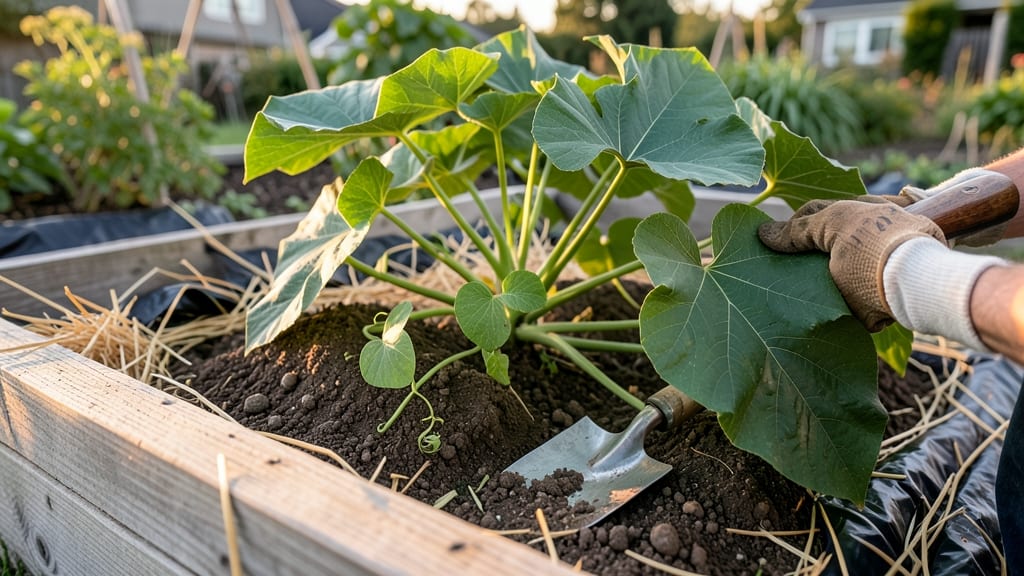
If you're dreaming of a bountiful harvest of 🍠 sweet potatoes in Louisiana, timing your planting is the single most important factor for success. The state's unique climate—with its long, humid summers and short frost-free windows—demands precision, or you could end up with stunted plants or even total crop failure.
Most gardeners in Louisiana's 8a-9b zones have two prime opportunities to plant: the cooler spring months between March and June, or the summer window from July to August.
But here's the catch—planting too early risks frost damage, while waiting too long means your sweet potatoes won't mature before the first frost hits in December.
I've helped countless Louisiana gardeners master the art of slip planting, and what I'm about to share will give you the exact timing secrets to maximize your yield.
From soil temperature checks to adjusting for heat waves, we'll cover everything you need to know to turn your garden into a sweet potato powerhouse.
Whether you're a first-time grower or a seasoned pro, these actionable tips will help you avoid common mistakes and ensure your sweet potatoes thrive in Louisiana's challenging climate. Let's get those slips in the ground at the perfect moment!
Best planting windows for sweet potatoes in Louisiana’s climate zones
Louisiana’s humid subtropical climate (USDA zones 8a-9b) creates unique challenges and opportunities for growing sweet potatoes. Unlike northern states, we don’t have to worry about frost, but our long, intense summers demand precise timing to avoid stressing your slips.
The key is planting when soil temperatures hit 65°F or warmer—this triggers vigorous root growth before the peak heat of July/August.
Most Louisiana gardeners focus on two main planting windows: early spring (March-April) and late summer (July). The early window gives you a longer growing season before harvest, while the late window helps extend yields into fall.
However, planting in May or June risks exposing young slips to sudden heat waves that can stunt growth or invite fungal diseases.
Here’s how to adjust your timing based on Louisiana’s three distinct regions—North (Shreveport), Central (Baton Rouge), and South (New Orleans)—each with slightly different microclimates:
| Region | USDA Zone | Ideal Planting Window | Soil Temp Goal | Key Consideration |
|---|---|---|---|---|
| North (Shreveport) | 8a | March 15–April 15 | 65°F+ | Cooler nights; watch for late frosts |
| Central (Baton Rouge) | 8b | March 1–April 30 | 65°F+ | Moderate humidity; fungal risk in May |
| South (New Orleans) | 9a | February 28–April 15 | 68°F+ | Hotter soils warm faster; extend to July |
| All Regions (Late Season) | 8a-9b | July 1–August 15 | 70°F+ | Use shade cloth for young slips |
For maximum yields, aim to harvest your sweet potatoes before Louisiana’s first frost (typically around December 1). This means starting with slips in March-April for a fall harvest or July for a winter harvest.
Pro tip: Use a soil thermometer to confirm temperatures—slips won’t thrive if planted in cooler-than-ideal soils.
Local growers in Cajun Country often swear by planting in ridges to improve drainage and heat escape. This is especially critical in flat, clay-heavy soils common across Louisiana. Elevate your beds by 6–12 inches to prevent waterlogging during our humid summers.
One common mistake? Assuming “warmer is always better”. While sweet potatoes love heat, sudden temperature spikes above 95°F can shock slips. If you’re planting in late spring (May-June), start slips indoors under grow lights for 2–3 weeks to harden them before transplanting.
For organic gardeners, consider planting cover crops like clover or rye in fall to enrich soil before spring planting. Louisiana’s sandy soils (especially in the Florida Parishes) benefit from compost amendments to retain moisture during dry spells.
Remember: Sweet potatoes are heat-loving, but they need time to establish roots before the relentless Louisiana sun kicks in. Plan your planting window to give them a 6–8 week head start before peak summer heat.
How to time your sweet potato slips for maximum yield in humid heat
Timing your sweet potato slips in Louisiana isn’t just about avoiding frost—it’s about beating the humidity and heat that can stress young plants. The key is planting when your slips have 6-8 weeks to establish roots before summer’s peak intensity hits.
Aim for late March to early May in most regions, but adjust based on your local microclimate.
Start by selecting healthy slips with firm stems and vibrant green leaves. Avoid slips with yellowing or mushy bases, as these won’t survive Louisiana’s sweltering afternoons. Harden your slips for 5-7 days before planting by placing them outdoors in partial shade, gradually increasing their sun exposure.
This toughens them up for the humid heat ahead.
Watering is critical in Louisiana’s humid climate. After planting, keep soil consistently moist (not soggy) for the first 2 weeks1-2 inches per week, focusing on deep watering in the morning to prevent fungal diseases like black rot, which thrives in wet foliage.
Drip irrigation is ideal—it delivers water directly to roots without wetting leaves.
Monitor your slips for signs of heat stress, like wilting leaves or yellowing edges. If temperatures exceed 95°F for multiple days, provide temporary shade with lightweight row covers or move potted slips to a shadier spot.
Remember, sweet potatoes are heat-loving, but young plants need time to adjust.
For a second harvest, consider a late-July planting in Louisiana’s warmer southern regions (USDA zones 9a-9b). Choose heat-tolerant varieties like ‘Beauregard’ or ‘Centennial’, and use black plastic mulch to warm soil faster.
This method extends your growing season but requires vigilant pest monitoring, as sweet potato weevils are more active in late summer.
With the right timing and care, your Louisiana sweet potato patch can thrive even in the humidity. The key is patience and preparation—give your slips the best start, and they’ll reward you with bountiful, sweet harvests by fall. 🍠