
Plants
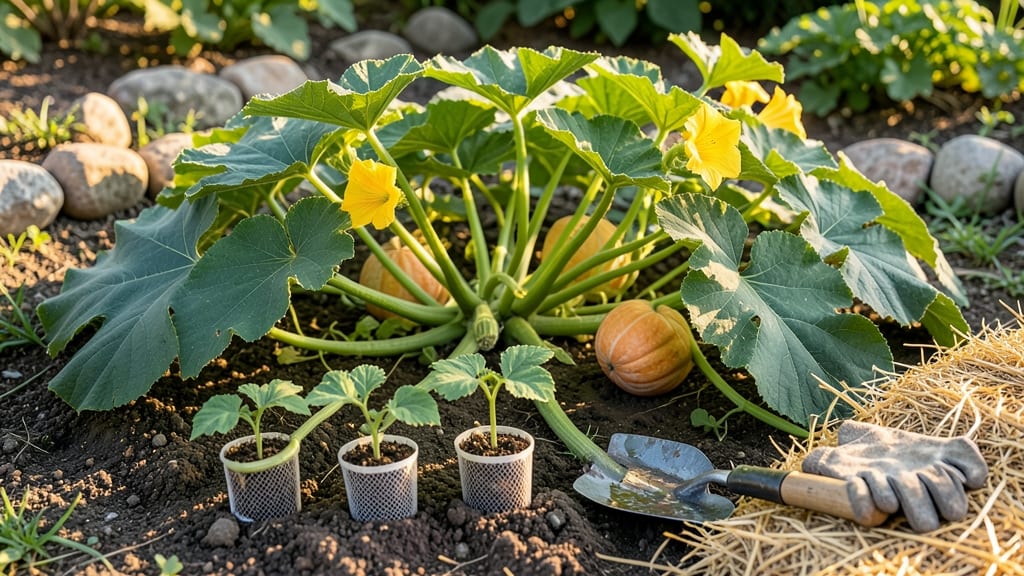
Timing your pumpkin 🎃 planting in Arizona isn’t just about the calendar—it’s about outsmarting the heat before your vines bolt and leave you with bitter fruit instead of pumpkin pie. The perfect window is narrow, and missing it means sacrificing your harvest to Arizona’s relentless sun.
Most gardeners in USDA Zone 9b know the struggle: plant too early, and your pumpkins face stunted growth; too late, and the summer heat sends vines into a frantic (but fruitless) flowering frenzy.
The secret lies in two critical planting periods—spring and summer—that align with Arizona’s microclimates, from Phoenix’s desert floors to Flagstaff’s cooler highlands.
I’ve tested the exact months that work here, plus the heat-resistant varieties that actually thrive when temperatures hit 100°F+. Whether you’re aiming for a fall harvest or a winter surprise, these strategies will help you avoid the #1 mistake Arizona gardeners make: waiting too long to plant.
Ready to grow pumpkins that survive (and even love) the Arizona heat? Let’s dive into the precise timing, soil prep, and variety choices that’ll turn your garden into a pumpkin patch—without the bolt risk.
Best pumpkin planting months in Arizona: avoiding heat bolt with exact timing
Arizona’s 110°F+ summers can send pumpkin vines into a panic—triggering heat bolt (premature flowering) and leaving you with small, bitter fruit. The key? Planting when soil temps hit 70°F+ and aligning your schedule with Arizona’s microclimates.
Phoenix gardeners have a wider window than Flagstaff’s high-desert growers, so let’s break it down by region.
For fall harvests (most common), aim for mid-March to mid-April planting. This gives vines 90–120 days to mature before Arizona’s first frost (Dec 15). Summer plantings (for winter harvests) should go in late July to early August—just as monsoon rains ease the heat.
Miss these windows, and you’ll battle powdery mildew or vines that collapse from heat stress.
🌱
Arizona Pumpkin Planting Timeline by Region
| Region | Best Planting Window | Soil Temp Threshold | Harvest Window | Key Risk |
|---|---|---|---|---|
| Phoenix/Tucson (Low Desert) | Feb 20 – Mar 15 Jul 25 – Aug 10 |
70–75°F (21–24°C) | Sep–Nov Nov–Dec |
Heat bolt (100°F+) |
| Flagstaff/Sedona (High Desert) | Apr 1 – Apr 15 Aug 1–Aug 15 |
65–70°F (18–21°C) | Oct–Nov Nov |
Frost damage (earlier frosts) |
| Prescott (Foot of Mountains) | Mar 10 – Mar 30 Jul 30 – Aug 5 |
68–72°F (20–22°C) | Sep–Oct Nov |
Uneven heat spikes |
*Adjust for microclimates: South-facing slopes warm faster than valleys.
To pinpoint your exact last frost-free date, check the AZMET network (azmet.asu.edu) or use the USDA Plant Hardiness Zone Map (most of Arizona is Zone 9b). Subtract 90–120 days from your first frost date to calculate your planting window.
For example, Phoenix’s Dec 15 frost minus 105 days lands you in mid-September planting for a fall harvest—but that’s too late for most varieties.
Pro tip: Use a soil thermometer ($10 at garden centers) to confirm temps. Pumpkin seeds need consistent 70°F+ soil to germinate; cooler soils delay sprouting and invite damping-off disease. If your soil runs hotter than 85°F, wait until evening to plant or use shade cloth for the first week.
For container growing (common in urban areas), start seeds indoors 4–6 weeks before your outdoor planting date. Use biodegradable pots to avoid root disturbance, and harden off seedlings by placing them outside for 2 hours daily starting 1 week before transplanting.
Containers dry out faster, so water every 2–3 days and use self-watering systems if possible.
💧
If you’re in a high-altitude area like Flagstaff, opt for shorter-season varieties (75–85 days to maturity) to avoid frost. For low-desert zones, prioritize heat-tolerant varieties like ‘Cinderella’ or ‘Small Sugar’—they handle 100°F+ temps better than traditional giant pumpkins.
Next, we’ll dive into the top 5 Arizona-proven varieties that won’t wilt in the desert sun.
Best pumpkin planting months in Arizona: avoiding heat bolt with exact timing
Arizona’s USDA Zone 9b climate demands precision when planting pumpkins. Unlike cooler regions, your planting window is short—just 60 days between soil warming and summer heat. Plant too early, and vines bolt; too late, and fruit ripens before first frost (December 15).
The key? Soil temperature must hit 70°F (21°C) before seeds go in.
For most Arizonans, this means two planting windows: spring (March–April) for fall harvests or summer (July–August) for winter harvests. Phoenix gardeners can stretch this slightly earlier, while Flagstaff’s cooler high-desert climate may need adjustments. Let’s break down the exact timing and microclimate tweaks to avoid heat stress and maximize yield.
🌱 Arizona Pumpkin Planting Timeline
| Stage | Action | Best Months | Soil Temp |
|---|---|---|---|
| Soil Prep | Amend with compost; test pH (6.0–6.8) | February–March | 60°F+ |
| Seed Starting | Direct sow seeds 1" deep | Mid-March–Mid-April | 70°F+ |
| Transplanting | Move seedlings 2–3 ft apart | April–May | 75°F+ |
| Summer Planting | Direct sow for winter harvest | Late July–Early August | 80°F+ |
| Harvest Window | Rind hardens; vines yellow | Late August–December | N/A |
Phoenix gardeners can plant 2–3 weeks earlier than Tucson due to earlier soil warming. In contrast, Flagstaff’s high-desert climate may require delaying until late April to avoid late spring frosts.
Always check your local frost-free date—Arizona’s ranges from January 15 (low elevations) to March 1 (high elevations).
For container growing, use black plastic pots to warm soil faster and plant 1–2 weeks ahead of in-ground schedules. Place containers in full sun (6+ hours daily) and water deeply every 2–3 days to prevent bolt. Monitor soil moisture with your finger—dry topsoil signals it’s time to water.
Pro tip: Use a soil thermometer to confirm 70°F+ soil temps before planting. If temps dip below 65°F, delay until conditions improve. Heat stress causes vines to grow leaves instead of fruit, so timing is everything in Arizona’s 100°F+ summers.
Once planted, focus on mulching with straw or wood chips to retain moisture and shade cloth (30–50%) during 100°F+ heatwaves. This extends the growing season by 2–3 weeks without risking bolt. With the right timing and care, you’ll harvest sweet, mature pumpkins before Arizona’s first frost—no bitter surprises!