
Planting
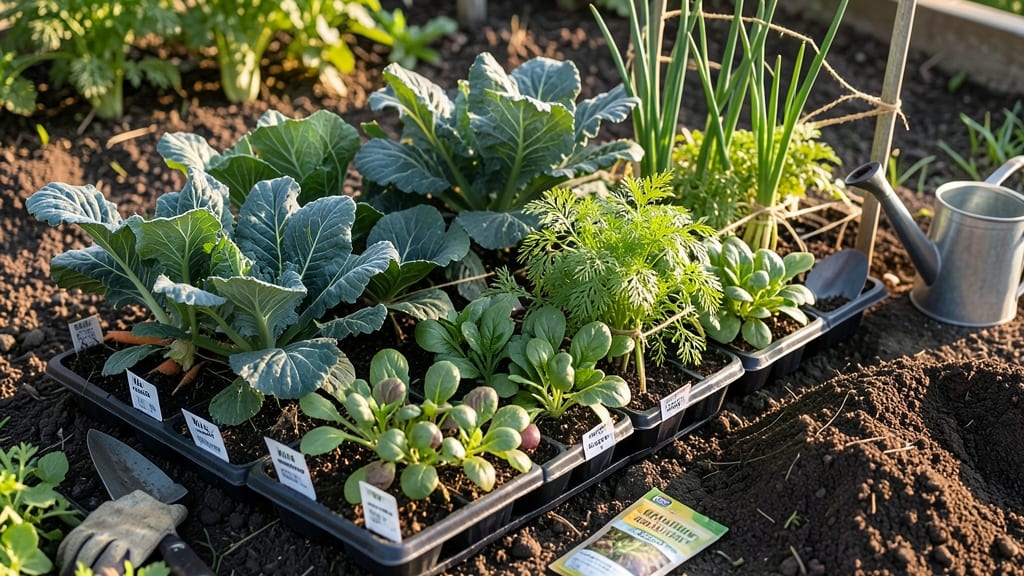
Timing when to plant a fall garden in South Texas 🌱 isn't just about avoiding frost—it's about beating the brutal summer heat while giving crops like okra and sweet potatoes their best shot at success.
With 9a-10a zone conditions, you’ve got a narrow window to plant before temperatures drop too fast, and getting it wrong means wilted seedlings or stunted harvests.
Most gardeners here make one critical mistake: waiting too long to start. The key is planting between mid-August and early October, when soil temperatures drop but humidity still supports growth. This isn’t just theory—it’s what separates a thriving garden from a struggle.
I’ll walk you through the exact dates for heat-resistant crops, how to prep your soil for South Texas’ unique challenges, and which varieties actually perform here. No more guesswork—just a clear roadmap to a fall harvest that’ll make your neighbors jealous.
Let’s get your Fall Garden (General) off to the right start with the strategies that work in this climate. You’ll learn which crops to prioritize, when to water (and when to cut back), and how to outsmart pests before they become a problem.
South Texas fall planting calendar: exact start dates by crop type
Timing your South Texas fall garden isn't about avoiding frost—it's about beating the late-summer heat while preparing for cooler weather. With USDA Zones 8b-9a, your window runs from mid-August through October, but specific crops demand precise timing to thrive.
Start with heat-loving crops like okra and sweet potatoes in late July-August, then transition to cooler-season plants like kale and broccoli by September. The key? Monitoring soil temperatures—ideal planting soil should be 70-80°F for warm-season crops.
Here’s your South Texas fall planting timeline, broken down by crop type and microclimate. Use this as your roadmap to avoid common pitfalls like overcrowding or poor soil prep.
| Crop Type | Planting Window | Soil Temp (°F) | Notes |
|---|---|---|---|
| Warm-Season Crops | Late July - Early August | 75-85°F | Okra, sweet potatoes, cowpeas, black-eyed peas |
| Transitional Crops | Mid-August - Early September | 70-75°F | Tomatoes, peppers, eggplant, collard greens |
| Cool-Season Crops | Late August - October | 60-70°F | Kale, broccoli, cabbage, onions, carrots |
| Herbs & Greens | September - Early October | 65-70°F | Basil, cilantro, spinach, lettuce, Swiss chard |
🌱 Pro Tip: Use shade cloth for early cool-season plants to protect from lingering summer heat.
For Zone 9a gardeners, focus on late August starts for cool-season crops, as temperatures begin dropping by mid-September. If you're in Zone 10a, extend your window slightly later—some crops like broccoli can handle October planting without frost risk.
Always check local weather forecasts for heat spikes or unexpected rains. South Texas’ unpredictable weather can shift your timeline—so stay flexible and monitor soil moisture closely during transitions.
Start with direct-sown seeds for fast growers like radishes (30 days to harvest) and bush beans (50 days). For slower starters like cabbage or cauliflower, begin with transplants in late September to ensure a fall harvest before winter sets in.
Don’t overlook succession planting—sow lettuce every 2 weeks from September through October to enjoy a continuous harvest. This tactic maximizes your garden’s productivity in South Texas’ short fall window.
Remember: Soil prep is non-negotiable. Amend sandy soils with compost and clay soils with organic matter like leaf mold to improve drainage and nutrient retention.
Finally, keep an eye on pest pressure—aphids and whiteflies thrive in warm fall weather. Use neem oil or insecticidal soap preventatively to protect your fall crops.
Heat-resistant crops that thrive in South Texas fall gardens
South Texas’ long, hot summers can make fall gardening feel like a race against time—but the right crops turn this challenge into an advantage. Heat-tolerant varieties like okra, sweet potatoes, and cowpeas thrive when planted early, while leafy greens and brassicas handle the transition to cooler weather.
The key? Choosing plants that match your August-September planting window and sandy or clay-heavy soil conditions.
I’ve grown these crops for years in USDA Zone 9a-10a, and the difference between a struggling garden and a bountiful harvest often comes down to crop selection and soil prep.
For example, collard greens and mustard greens handle South Texas’ heat better than lettuce, while black-eyed peas outperform traditional peas in our climate. Let’s dive into the top 10 heat-resistant crops and how to maximize their potential.
🌡️ Heat Tolerance Ratings
Start with okra—my go-to for South Texas heat. Plant seeds 6-8 weeks before your first frost (or by mid-August if you’re in Zone 10a). Okra thrives in 90°F+ temperatures and even produces better in heat than in cooler weather.
Pair it with sweet potatoes, which also love the heat and can be planted as slips in late July to early August. Both crops benefit from well-draining soil, so amend your beds with compost or aged manure before planting.
For leafy greens, focus on heat-tolerant varieties like ‘Georgia Southern’ collards or ‘Tendergreen’ mustard greens. These handle 85-95°F temperatures far better than lettuce and can be direct-sown in late August.
If you’re planting broccoli or cabbage, opt for rapid-maturing varieties like ‘Waltham 29’ broccoli, which can go from seed to harvest in 50-60 days—perfect for escaping the first cold snaps.
Don’t overlook herbs and legumes, which add diversity to your fall garden. Cilantro and dill bolt quickly in heat, but ‘Santo’ basil and ‘Calypso’ rosemary handle South Texas summers like champions.
For protein-rich crops, black-eyed peas and cowpeas are excellent choices—they fix nitrogen in the soil and thrive in 90°F+ conditions. Plant these in late August for a fall harvest.
Pro tip: Mulch heavily with straw or wood chips to retain moisture and regulate soil temperature. In sandy soils (common in South Texas), mulch also helps prevent nutrient leaching. If your soil is clay-heavy, mix in sand and compost to improve drainage before planting.
With the right crops and prep, your fall garden can outperform summer plantings—and provide fresh produce well into winter.
🌱