
Plants
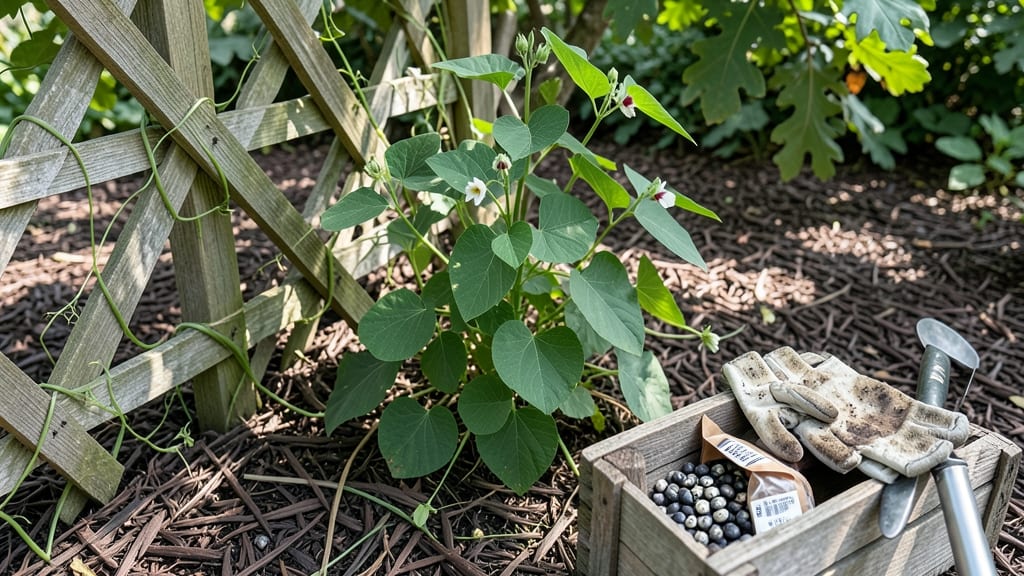
Planting black-eyed peas in Texas isn't just about dropping seeds in the dirt—it's about timing them perfectly to avoid frost damage and maximize your harvest. 🌱 With USDA zones 8a-10b offering two prime windows, late February to early March and September to October, getting this right means the difference between a thriving garden and wasted effort.
Most gardeners in Texas know these legumes love heat, but few realize how quickly they bolt when temperatures dip. If you plant too early, frost can kill young seedlings before they even sprout. And if you wait too long, summer's relentless sun might stunt their growth before they mature.
What you're about to discover is exactly how to align your planting schedule with Texas's microclimates—whether you're in the cooler North Texas plains or the balmier South Texas regions. We'll cover the frost-free deadlines, soil prep secrets, and even which heat-tolerant varieties perform best in your specific zone.
Ready to grow plump, flavorful pods without the guesswork? Let's dive into the step-by-step timing that'll have your black-eyed peas thriving from seed to harvest. The key is knowing when to act—and we've got you covered.
Best planting times for black eyed peas in Texas regions
Texas’s diverse climate means black-eyed peas can thrive in both spring and fall, but timing varies dramatically across North, Central, and South Texas. In North Texas (USDA Zones 7b-8a), where frost lingers longer, aim for late March to early April or September to early October.
Meanwhile, South Texas (Zones 9a-10b) gardeners enjoy a longer window—plant in February-March or September-November—thanks to milder winters.
The key is avoiding frost damage and intense summer heat. Black-eyed peas germinate best in soil temperatures between 60°F and 90°F, so wait until the risk of frost has passed.
In Central Texas (Zones 8a-8b), this typically means late February to early March for spring plantings and mid-September to October for fall.
🌱 Pro Tip: Use a soil thermometer to confirm 60°F+ soil temps before sowing seeds. Cold soil delays germination, and hot soil can scorch young seedlings.
| Texas Region | USDA Zones | Spring Planting Window | Fall Planting Window | Last Frost Date | First Frost Date |
|---|---|---|---|---|---|
| North Texas | 7b-8a | Late March - Early April | September - Early October | February 15 | December 1 |
| Central Texas | 8a-8b | Late February - Early March | Mid-September - October | January 31 | November 15 |
| South Texas | 9a-10b | February - March | September - November | January 15 | November 1 |
For fall plantings, prioritize September to early October to ensure 60-70 days of growth before the first frost. In South Texas, you can extend this to November, but avoid planting after October 15 in North Texas—plants won’t mature before winter chill sets in.
🌡️ Temperature Alert: Black-eyed peas hate extreme heat. If planting in late spring (April-May), provide afternoon shade or use drip irrigation to keep roots cool. Heat stress slows growth and reduces pod production.
In Central Texas, where summers are brutal, focus on fall plantings for the best yields. The cooler temperatures (70°F-80°F) in September-October create ideal conditions for steady germination and flowering. I’ve found that ‘Texas Purple Hull’ thrives in these conditions, producing heavier pods than spring-planted varieties.
📅 Planting Calendar: Mark your calendar for two key dates each year: 14 days after last frost (spring) and 90 days before first frost (fall).
Use a Texas A&M AgriLife Extension frost map to pinpoint local deadlines—these can shift 1-2 weeks based on microclimates like urban heat islands or elevated gardens.
If you’re in a transitional zone (e.g., Hill Country), err on the side of earlier fall plantings. Cooler nights in October can trigger flowering too soon, leading to immature pods before frost. To mitigate this, choose fast-maturing varieties (50-60 days) like ‘Crowder’ or ‘Black Valentine’.
🌿 Soil Prep Tip: Before planting, amend your soil with compost or aged manure to boost nitrogen levels. Black-eyed peas are nitrogen-fixers, but young plants still need a nutrient boost to establish quickly. Aim for a pH of 6.0-6.8—Texas clay soils often need lime or sulfur adjustments.
Finally, succ
Best planting times for black eyed peas in Texas regions
Texas’s vast climate zones mean your black-eyed pea planting window varies dramatically from North Texas to South Texas. In USDA Zones 8a-10b, these heat-loving legumes thrive when soil temperatures hit 60°F+, but timing is critical to avoid frost damage or stunted growth.
Let’s break down the optimal planting months for each region to maximize your harvest.
For North Texas (Zones 7b-8a), aim to plant black-eyed peas between late February and early March for a spring harvest or September to October for fall. The last frost typically occurs around February 15, so wait 1-2 weeks after this date to ensure soil warmth.
In Central Texas (Zones 8a-9a), you can start as early as mid-February or push fall planting to late October.
In South Texas (Zones 9a-10b), the frost-free window extends longer—plant through March for spring or October to November for fall. The first frost rarely hits before November 15, giving you a longer growing season. Always check your local frost dates using the Texas A&M AgriLife Extension for precision timing.
If you’re planting black-eyed peas for a spring harvest, prioritize soil temperature over calendar dates—use a soil thermometer to confirm 60°F+ before sowing. For fall plantings, aim to harvest before the first frost, which can damage tender pods.
In South Texas, you might even squeeze in a second fall crop if you plant by mid-October.
Pro tip: Succession planting works well for black-eyed peas. Sow seeds every 2 weeks during your region’s ideal window to ensure a continuous harvest. This is especially useful in Central and South Texas, where the growing season stretches longer.
Just remember—overcrowding reduces yield, so space plants 3-4 inches apart in rows 18-24 inches apart.
For container gardening, start seeds indoors 4-6 weeks before your region’s last frost date. Use well-draining pots with a balanced fertilizer (5-10-10) and transplant seedlings outdoors once soil warms. Containers dry out faster, so monitor moisture levels closely during Texas’s hot, dry spells.
Don’t let Texas heat intimidate you—black-eyed peas are tough! With the right timing and care, you’ll enjoy a bountiful harvest of these nutrient-rich legumes twice a year. 🌱