
Plants
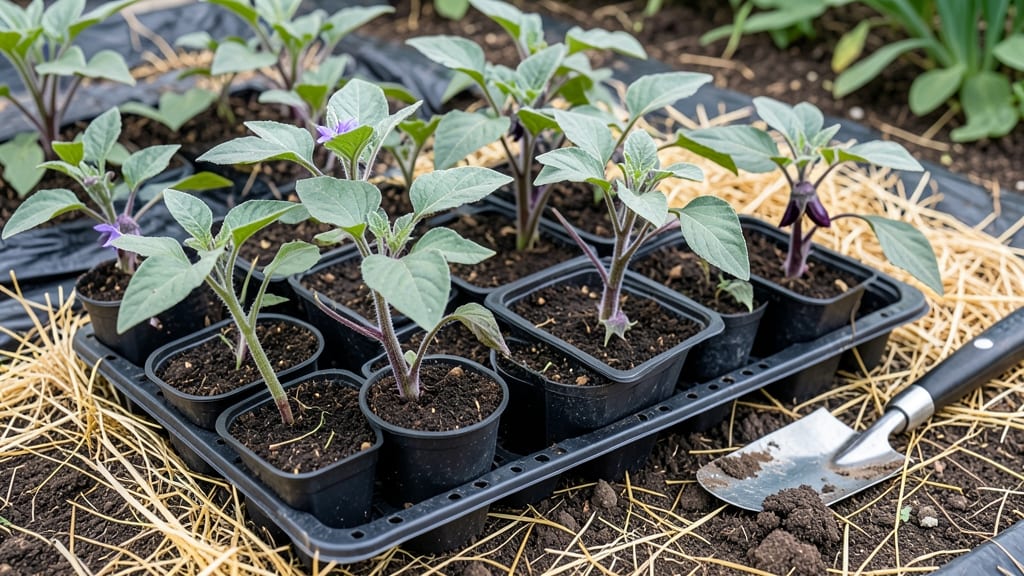
Knowing when to plant eggplant in Florida is the difference between a bountiful harvest and a frustrating failure. 🍆 The wrong timing means your plants bolt—shooting up flowers before they produce fruit—while the right window unlocks glossy, productive eggplants all season long.
Florida’s heat zones 9B/10A demand precision: too early, and frost (yes, even in Florida!) or cool snaps can stunt growth. Too late, and you’ll miss the sweet spot before summer’s brutal heat sets in.
The key? Planting in February-April for spring harvests or July-August for fall crops—when soil temps hit that magic 70°F threshold.
But here’s the secret most gardeners miss: it’s not just about the calendar. Coastal areas stay cooler longer, while inland zones heat up faster. I’ll break down the exact timing for your microclimate—plus how to tweak your schedule to avoid bolting and maximize yields.
Ready to grow eggplants that thrive, not struggle? Let’s dive into the Florida-friendly schedule that guarantees zero bolt risk and a harvest you’ll actually enjoy.
Florida eggplant planting calendar: avoid bolting in heat zones 9B/10A
Florida’s Heat Zones 9B/10A offer year-round gardening potential, but eggplants (Solanum melongena) need precise timing to avoid premature bolting—when plants flower and fruit too early. The key is planting when soil temperatures stay above 70°F consistently, while avoiding the peak summer heat that stresses seedlings.
Most Florida gardeners focus on two planting windows: early spring and late summer. The first window (February–April) gives you a May–June harvest before the brutal July heat sets in. The second window (July–August) produces September–October fruit just before cooler weather arrives.
Your exact timing depends on your microclimate. Coastal areas (Zone 10A) can start 1–2 weeks earlier than inland regions (Zone 9B) due to milder winters.
Always check your last frost date (rare in Florida, but possible in North FL) and aim for transplanting 2–3 weeks after.
Florida Eggplant Planting Timeline
| Season | Planting Window | Soil Temp Requirement | Harvest Window | Microclimate Notes |
|---|---|---|---|---|
| Spring | February–April | 70°F+ consistently | May–June | Coastal: Start in late Jan |
| Summer | July–August | 75°F+ (avoid peak heat) | September–October | Inland: Use shade cloth |
| Fall | September (late starts) | 65°F+ (risky) | November (limited yield) | Not recommended |
🌱 Pro Tip: Use a soil thermometer to confirm temps before transplanting.
For Zone 9B gardeners in North Florida, aim to transplant after March 15 to avoid erratic cool snaps. In Zone 10A (South FL), you can start as early as January 20, but protect seedlings with frost cloth if nights dip below 50°F.
Soil preparation is critical. Eggplants thrive in well-draining, slightly acidic soil (pH 6.0–6.8). Work in 2–3 inches of compost and avoid fresh manure, which can cause bolt-inducing nitrogen spikes. A balanced fertilizer (5-10-10) at planting time provides the right nutrients without overstimulating growth.
If you miss the spring window, don’t despair—July–August transplants work well if you use shade cloth (30–50%) to protect seedlings from intense afternoon sun. Remove the shade after 2–3 weeks to harden off plants. This method extends your harvest into October, just before cooler weather arrives.
Watch for heat stress signs like yellowing leaves or stunted growth. If temperatures exceed 95°F for more than 3 days, provide afternoon shade and increase watering frequency to daily deep soaks. Mulching with straw or black plastic helps maintain even soil temperatures and reduces water loss.
Remember, eggplants are sensitive to day length. In Florida’s long days, they may bolt prematurely. To delay flowering, use black plastic mulch to raise soil temps or plant in partial shade during peak summer. This buys you 4–6 extra weeks of growth before harvest.
For a second crop, try succession planting in late July with fast-maturing varieties like ‘Ichiban’ (50–55 days). These bolt-resistant types tolerate heat better and produce fruit before the first frost risk in November.
Florida eggplant planting calendar: avoid bolting in heat zones 9B/10A
Florida’s Heat Zones 9B/10A offer year-round growing potential—but eggplants are finicky about timing. Plant too early, and cool nights trigger bolting (premature flowering). Too late, and scorching heat stunts growth.
The secret? Transplant when soil hits 70°F+ and nighttime temps stay above 60°F. Here’s your zero-risk schedule for two Florida seasons.
For spring plantings, aim for February–April in most of Florida.
Coastal areas (like Miami) can start as early as January 15, while inland zones (e.g., Orlando) should wait until March 1 to avoid frost pockets. Fall plantings are trickier—shoot for July–August, but use shade cloth if temps exceed 90°F.
Soil temperature is your best gauge. Use a soil thermometer to confirm 70°F+ at 4-inch depth. In Florida’s humid heat, soil warms faster than air—don’t rely on air temps alone. Pro tip: Black plastic mulch can raise soil temps by 5–10°F in 24 hours, giving you a 2-week earlier planting window.
| Season | Planting Window | Soil Temp | Key Notes |
|---|---|---|---|
| Spring | Feb 15–Apr 15 | 70–85°F | Coastal: Start Jan 15. Inland: Wait for March 1. |
| Fall | Jul 1–Aug 15 | 75–90°F | Use shade cloth if temps >90°F. Harvest by Sept 30. |
| Microclimate | Coastal vs Inland | N/A | Coastal: 2 weeks earlier. Inland: Delay by 10–14 days. |
🌡️ Pro Tip: Monitor soil temps daily—eggplants won’t thrive below 65°F or above 95°F.
Florida’s microclimates can shift planting by 2–3 weeks. Coastal areas (e.g., Miami, Tampa) enjoy warmer soils earlier thanks to Gulf breezes. Inland zones (e.g., Gainesville, Ocala) may need to wait until March 15 to avoid late-spring frosts.
Check your local frost dates—even Florida’s northern regions can dip into the 30s°F in January.
If you’re starting seeds indoors, begin 8–10 weeks before transplanting (e.g., December 1 for spring, May 1 for fall).
Use grow lights to prevent leggy seedlings, and harden off plants for 7–10 days before moving them outside. Transplant on a cloudy day or in the late afternoon to reduce shock.
For container growing, use 5-gallon pots or larger—eggplants need deep roots to access moisture in Florida’s sandy soils. Place pots in full sun and water daily during heatwaves. Black containers absorb heat faster, speeding up soil warming by 3–5°F compared to white or terracotta.
Remember: Harvest time is your true deadline. Spring-planted eggplants should yield by May–June, while fall crops must be harvested by September 30 before humidity spikes increase disease risk. Miss this window, and you’ll be left with bitter, seedy fruit—not worth the wait!