
Plants
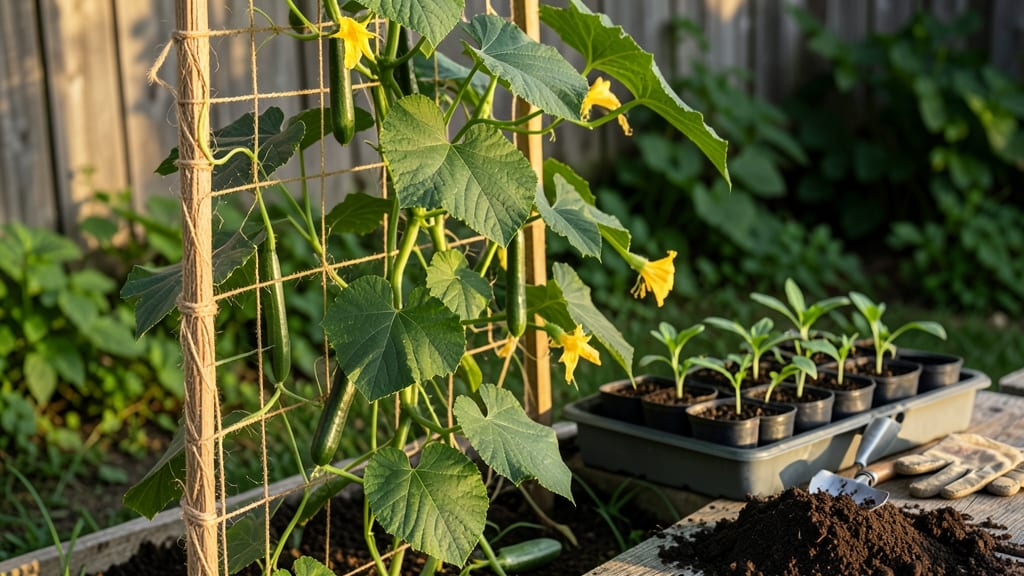
Timing your 🥒 cucumber planting in North Florida isn’t just about waiting for spring—it’s about outsmarting the region’s tricky heat zones and unpredictable frost patterns. One wrong move, and you’re staring at wilted vines instead of a garden bursting with fresh, crisp produce.
The 8a-9b zones here demand precision: plant too early, and a late frost will zap your seedlings; wait too long, and the summer heat will turn your cucumbers bitter before they ripen.
But get it right, and you’ll unlock a harvest window from May through October—with the right techniques, even multiple harvests in one season.
I’ve tested what works in North Florida’s microclimates, from coastal breezes to inland heat pockets, and I’m sharing the exact planting windows, soil prep secrets, and heat-beating strategies that’ll give you the edge.
Whether you’re a first-time gardener or a seasoned green thumb, these insights will help you avoid common pitfalls and maximize your yield.
Ready to turn your cucumber dreams into reality? Let’s dive into the science—and the simple tweaks—that make all the difference in Florida’s 240-day frost-free growing season.
North Florida heat zones & their ideal cucumber planting windows
North Florida’s USDA Hardiness Zones 8a-9a create unique challenges for cucumber growers. The average last frost date shifts dramatically between inland areas like Gainesville (mid-March) and coastal regions like Jacksonville (late February).
These differences mean your planting window could vary by 3-4 weeks depending on your exact location.
For Zone 8a (common in inland areas like Ocala), I recommend starting cucumbers after April 15 when soil temperatures consistently reach 60°F+. Coastal Zone 9a areas like Jacksonville can begin as early as mid-February thanks to warmer microclimates. Even within 50 miles, these differences matter—don’t guess your zone!
Soil temperature is your most critical factor. Cucumbers won’t germinate below 55°F, and growth stalls under 60°F. Use a soil thermometer to verify—many gardeners in Zone 8a wait until late April to avoid early-season cool snaps that can kill seedlings.
| Heat Zone | Last Frost Date | Ideal Planting Window | Soil Temp Requirement | Microclimate Notes |
|---|---|---|---|---|
| Zone 8a (Ocala, Gainesville) | Mid-March | April 15–May 1 | 60°F+ | Inland areas; wait for consistent warmth |
| Zone 8b (Orange Park, St. Augustine) | Late February | March 15–April 1 | 58°F+ | Transition zone; monitor coastal breezes |
| Zone 9a (Jacksonville, Daytona) | Early February | February 15–March 15 | 55°F+ | Coastal warmth allows earlier starts |
If you’re in Zone 8a, consider starter plants instead of seeds—they give you a 2-3 week head start over direct sowing. For Zone 9a gardeners, you can even squeeze in two harvests: one in spring and another in fall after the first frost risk passes (mid-November).
For coastal gardeners, watch for salt spray from storms—it can stress young plants. Inland growers should prepare for summer heatwaves by choosing heat-tolerant varieties like 'Southern Sweet 100' or 'Straight Eight', which handle 90°F+ temperatures better than standard types.
Pro tip: Use black plastic mulch to warm soil faster in Zone 8a. It can raise soil temps by 5-10°F, helping you plant 2 weeks earlier without risking frost damage. Just remove it once vines start running to prevent overheating.
Remember, cucumbers hate cold soil. Even if air temps feel warm, check soil temps at 6 inches deep—that’s where roots need warmth to thrive. If your soil’s below 60°F, wait another week.
For succession planting, add a second batch 6-8 weeks after your first planting. This ensures a continuous harvest through summer and early fall, when North Florida’s humidity peaks. Just space them 10-12 inches apart to avoid crowding.
🌱
How to extend your cucumber growing season in North Florida’s heat
North Florida’s summer heat can turn your cucumber plants into wilting messes—but with the right strategies, you can keep them thriving until October (or even November). The key is balancing shade, water, and succession planting to combat the 90°F+ temperatures that typically arrive by June.
I’ve grown cucumbers in Jacksonville, Gainesville, and Tallahassee, and the difference between a burned-up vine and a productive plant often comes down to these three heat-beating techniques: shade cloth, mulching, and strategic variety selection.
🌡️ Proven Heat-Extension Techniques for North Florida Cucumbers
- Shade Cloth Timing: Install 30-50% shade cloth by late May to block direct sun during peak heat (11 AM–3 PM). Remove it by September to restore full sun for late-season harvests.
- Mulching Strategy: Use 3-4 inches of straw or black plastic mulch to keep soil temps 10°F cooler and retain moisture. Reapply every 4-6 weeks as it decomposes.
- Succession Planting: Sow heat-tolerant varieties like 'Southern Vining' or 'Straight Eight' every 2-3 weeks from March to July for staggered harvests.
- Drip Irrigation: Water deeply at soil level (1-2 inches) early morning (5-7 AM) to avoid fungal diseases. Avoid overhead watering during heatwaves.
- Pruning for Airflow: Trim lower leaves to improve air circulation and reduce humidity stress. Focus on removing leaves touching the soil.
For coastal areas (Zone 9a), like Jacksonville, start shade cloth earlier (mid-May) because humidity accelerates fungal growth. Inland areas (Zone 8a/b), like Gainesville, can wait until late May since dry heat is less damaging.
My top heat-tolerant varieties for North Florida include 'Suyo Long' (Asian cucumber, thrives in 95°F+) and 'Marketmore 76' (classic slicing cucumber with disease resistance). Both handle Florida’s summer heat better than standard 'Straight Eight' varieties.
Don’t forget to harvest frequently—even in heat—to encourage new fruit production. A plant with overripe cucumbers struggles to set new blooms when temps exceed 85°F. Aim to pick every 2-3 days during peak summer.
With these tactics, I’ve extended my cucumber season from June to October—and even snagged a few late November harvests in mild years. The secret? Adapt your approach as the seasons shift, and your vines will reward you with crisp, homegrown cucumbers long after most gardens give up.