
Plants
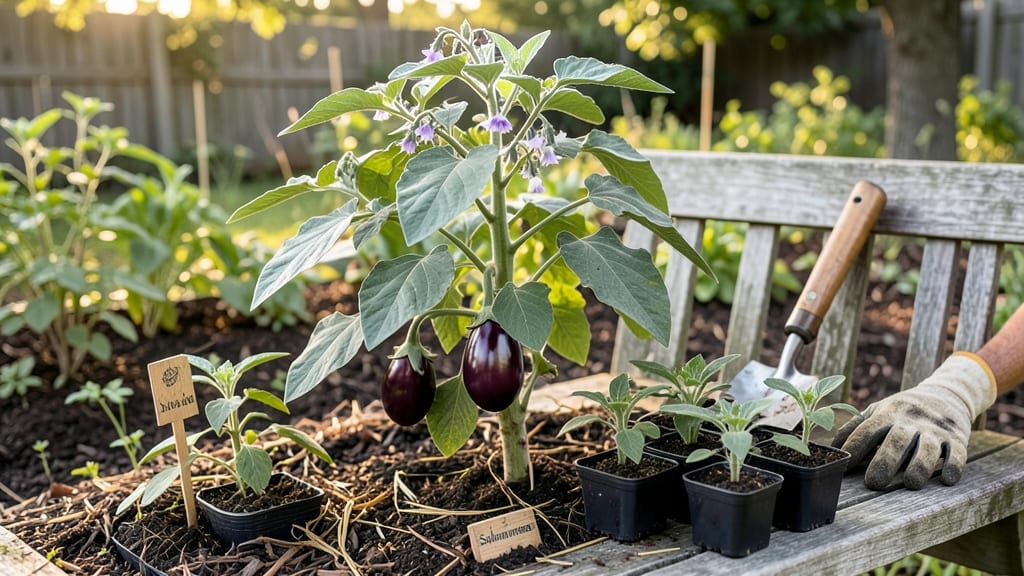
Timing your eggplant planting in Southern California can mean the difference between a bountiful harvest and wasted effort. The right window ensures your 🍆 thrives in our unique 9b-11 climate, avoiding common pitfalls like bolting or heat stress that plague gardeners.
Unlike other regions, Southern California’s frost-free growing season lets you plant eggplants twice a year—but getting the timing wrong can ruin your chances. Whether you’re in coastal 9b or inland 10a-11, the key is matching soil temperatures and seasonal shifts to your eggplant’s needs.
You’ll discover the exact March-May and August-September planting schedules that work for your microclimate, plus how to prep soil and avoid heat-related setbacks. No more guessing—just science-backed success for your garden.
From seed-starting tricks to transplanting tips, I’ll walk you through every step to ensure your eggplants grow strong, productive, and ready for harvest before the season slips away. Let’s get those plants in the ground the right way.
Southern California heat zones: the perfect planting windows for eggplant
Southern California’s diverse microclimates mean eggplant success hinges on matching your USDA Heat Zone (9b-11) to the right planting window. Coastal areas like Santa Barbara (Zone 9b) can start earlier, while inland deserts like Palm Springs (Zone 11) thrive with late-summer plantings.
The key? Soil temperature—eggplants need 70°F+ to germinate and grow.
For spring plantings, coastal gardeners should start seeds indoors by mid-February and transplant outdoors by March 15. Inland areas can wait until April 1 when nighttime temps stay above 55°F.
Fall plantings? Coastal zones can direct-sow until mid-August, while inland regions should aim for late July to avoid summer heat stress.
Here’s how Southern California’s three distinct heat zones affect your eggplant schedule:
Pro tip: Use a soil thermometer to confirm readiness—eggplants won’t germinate below 68°F. In Zone 11 deserts, I’ve had success with fall plantings in September when daytime highs drop below 95°F. The trade-off? Shorter harvest windows, but zero risk of bolting.
For container growing, prioritize black pots (absorb heat) and place them in south-facing spots. Inland gardeners should avoid planting before May 1—the April heat spikes can scorch seedlings.
I once lost a batch of transplants in Riverside by planting too early; now I wait until nighttime temps stay above 60°F consistently.
Remember: Succession planting every 2–3 weeks extends harvests. In Zone 9b, I plant three batches: March, April, and August. This ensures continuous fruit from June through October. The secret? Staggered maturity prevents glut and waste.
🌱
If you’re in Los Angeles County (Zone 10a), aim for April 15–May 1 plantings. Coastal San Diego gardeners can push to early March, but watch for foggy mornings—eggplants hate damp leaves.
I’ve found ‘Ichiban’ eggplants thrive in these conditions, producing glossy, firm fruit even in cooler microclimates.
For year-round production, combine spring and fall plantings with shade cloth during summer. In Palm Springs, I use 50% shade cloth from June–August to protect seedlings. Without it, heat stress causes blossom drop and stunted growth. The payoff? Two harvests per year with minimal effort.
💧
One common mistake? Overwatering in Zone 11 soils. Eggplants need consistent moisture, but soggy soil leads to root rot. I’ve had success with drip irrigation on a timer, delivering 1–2 gallons per plant every 3–5 days.
Mulch with straw to retain moisture and keep roots cool.
Final tip: Monitor humidity. Coastal areas with high fog risk fungal diseases like powdery mildew. Space plants 18–24 inches apart and prune lower leaves to improve airflow. In dry inland zones, leaf curl signals heat stress—provide afternoon shade immediately.
Southern California heat zones: the perfect planting windows for eggplant
Southern California’s diverse microclimates create ideal conditions for growing eggplants year-round—but timing is everything. Coastal areas like Santa Barbara (USDA Zone 9b-10a) enjoy milder summers, while inland deserts like Palm Springs (Zone 10b-11) bake under intense sun.
Eggplants need soil temperatures above 70°F to thrive, so planting too early risks stunted growth or bolting.
For spring plantings, aim for March to May when daytime highs consistently stay above 75°F. Fall crops should go in August to September to avoid summer’s peak heat.
Coastal regions can start slightly earlier (February-March) thanks to cooler ocean breezes, while inland areas should wait until late April to escape late-spring frosts (though rare, they can still occur in foothills).
Soil temperature is your best gauge—use a soil thermometer to confirm it’s hit 70°F+ before planting. In container gardens, soil warms faster, so you can plant 2-3 weeks earlier than in-ground. Avoid planting during heatwaves (above 95°F), as young seedlings can suffer from heat stress.
🌡️ Southern California Eggplant Planting Windows by Region
| Region | USDA Zone | Spring Planting | Fall Planting | Soil Temp Threshold |
|---|---|---|---|---|
| Coastal (e.g., LA, San Diego) | 9b-10a | Late Feb - Early May | Late Aug - Early Oct | 70°F+ (sooner in containers) |
| Inland Valleys (e.g., San Fernando, Antelope) | 10a-10b | Mid-Mar - Late May | Early Aug - Mid-Sept | 75°F+ (wait for heat to stabilize) |
| Desert (e.g., Palm Springs, Coachella) | 10b-11 | Late Apr - Early June | Mid-Sept - Late Oct | 80°F+ (avoid peak summer heat) |
📌 Pro Tip: Use shade cloth (30-50%) for 1-2 weeks after transplanting to reduce transplant shock in hot inland areas.
If you’re starting from seeds, begin indoors 8-10 weeks before your target planting date. Use grow lights to maintain 70-80°F soil temps and avoid leggy seedlings. Transplant seedlings outdoors only after nighttime temps stay above 60°F—cooler evenings slow growth and increase disease risk.
For container growing, prioritize 5-gallon pots or larger to accommodate deep roots. Place containers in full sun (6+ hours) and use moisture-retentive soil like a mix of coco coir, compost, and perlite. In coastal areas, watch for windburn—use burlap windbreaks if needed.
Harvest timing varies by variety, but most Southern California-friendly eggplants mature in 70-90 days. Spring plantings typically yield fruit by June-July, while fall crops produce in October-November. Always harvest before fruit turns seedy or bitter—look for glossy skin and a clean stem snap.