
Plants
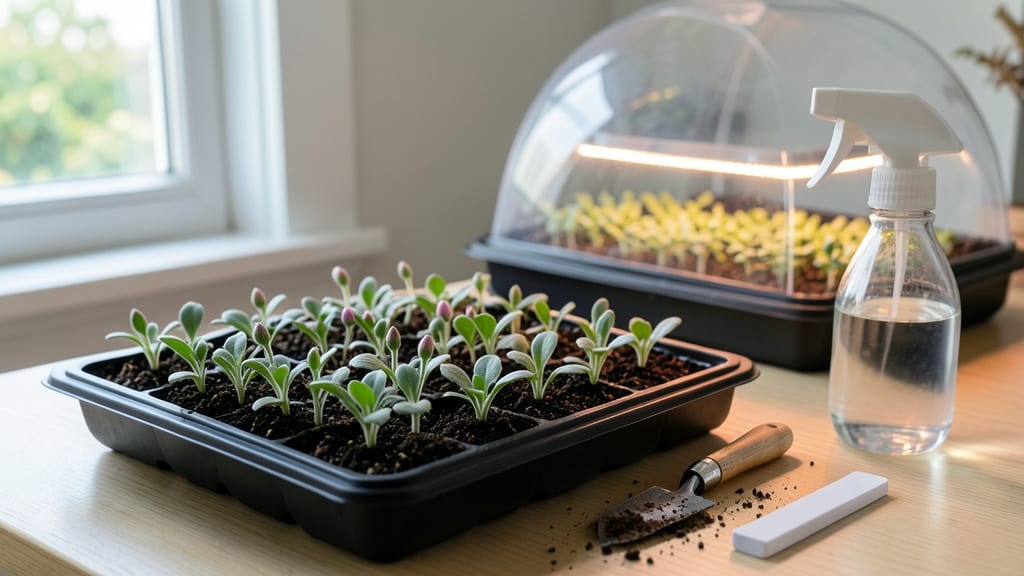
Planting your Dianthus 🌸 seeds at the wrong time in Australia could mean the difference between a vibrant garden and a sad, frost-killed experiment. The key is knowing whether you're in the cooler south or warmer north, where seasons flip planting windows completely.
In Southern Australia, the ideal window is August to October—just as frost risk fades and soil warms. But in Northern Australia, you'll want to start seeds March to May to align with spring's natural growth cues.
These timelines aren't just random guesswork; they're based on frost dates and temperature thresholds that directly impact germination.
What you'll discover here is how to read your local climate like a pro. We'll cover soil prep, frost-free zone maps, and whether to start seeds indoors or brave the great outdoors. No more second-guessing—just confident planting that leads to those show-stopping blooms you've been dreaming of.
Ready to transform your garden? Let's dive into the exact timing and techniques that work for your region, so you can enjoy Dianthus that thrives year after year.
Best months to plant Dianthus seeds in Australia: spring vs autumn climate zones
Australia’s diverse climate means your dianthus seeds thrive in different seasons depending on location. In southern Australia (e.g., Melbourne, Adelaide), autumn planting—March to May—lets seedlings establish before winter. Meanwhile, northern regions (e.g., Brisbane, Darwin) favor spring planting (August–October) when rains return and frost risk vanishes.
This reversal isn’t just about seasons—it’s about soil temperatures. Dianthus seeds need minimum 10°C soil temps to germinate. Southern autumns often hit this mark, while northern springs warm up gradually. Let’s break it down by zone to avoid costly mistakes.
🌸
| Climate Zone | Best Planting Window | Key Cues | Soil Temp |
|---|---|---|---|
| Southern Australia (Temperate) | March–May (Autumn) | Last frost risk passes; soil cools | 10–15°C |
| Northern Australia (Subtropical/Tropical) | August–October (Spring) | Wet season begins; no frost | 15–20°C |
| Perth (Mediterranean) | April–June (Autumn) | Winter rains arrive; mild temps | 12–18°C |
| Sydney (Subtropical) | March–April (Autumn) | Frost-free; soil warms post-summer | 10–14°C |
For Sydney gardeners, aim for late March to early April—this aligns with the city’s last frost date (June 15) and ensures seedlings avoid winter chill. In contrast, Darwin’s spring window (August–October) capitalizes on the wet season’s moisture, reducing irrigation needs.
Always check your local Bureau of Meteorology frost maps—a single late frost can devastate young plants.
Microclimates matter too. Urban areas like Melbourne’s CBD stay warmer than rural Victoria, potentially extending your autumn planting by 2–3 weeks. Use a soil thermometer ($15 from hardware stores) to confirm readiness—10°C is non-negotiable for germination.
🌡️
Direct sowing works best in well-draining soil, but northern gardeners often start seeds indoors in July to transplant by August. Southerners can sow directly in April once soil temperatures stabilize. Pro tip: Mix sand into clay soils to prevent waterlogging—dianthus roots hate soggy conditions.
Regional variations extend beyond frost. In Perth’s Mediterranean climate, autumn planting avoids summer’s 40°C heat, while Brisbane’s subtropical zone benefits from spring’s consistent rainfall. Always match your timing to local rainfall patterns—drought stress stunts growth.
💧
For container gardeners, adjust timing by 2–4 weeks earlier—pots warm faster than ground soil. Use heat mats ($20) if sowing in winter months to maintain 10°C+ soil temps. Remember: dianthus seeds germinate in 14–21 days under ideal conditions, but cold delays this by weeks.
Finally, stagger your sowing by 2-week intervals to extend blooms. Plant half your seeds in March (southern Australia) and the rest in April—this ensures continuous spring and summer flowers without gaps. With these zone-specific windows, your dianthus will reward you with vibrant blooms from autumn to spring.
🌷
Key factors that determine your Dianthus planting timeline
When planning your Dianthus planting schedule, soil temperature is the single most critical factor—seeds need minimum 10°C (50°F) to germinate. In Southern Australia, this typically aligns with late winter to early spring (August-September), while Northern Australia gardeners should aim for late summer to autumn (March-April).
Using a soil thermometer can help you pinpoint the exact moment when conditions are ideal.
Frost risk is another major consideration—Dianthus seedlings are extremely frost-sensitive, and even light frosts can kill young plants. In Melbourne or Sydney, wait until after the last frost date (usually mid-September), while Brisbane gardeners can start earlier due to milder winters.
Always check your local Bureau of Meteorology frost warnings for real-time updates.
Your microclimate plays a surprising role too. Urban areas often experience heat islands that warm up faster in spring, while rural spots may stay cooler longer. If you're in a sheltered microclimate (like near a north-facing wall), you might push planting 2-3 weeks earlier than the general guidelines.
Conversely, windy or exposed sites require waiting until soil is consistently warm.
Frost Warning: Never Plant Before Soil Warms
Dianthus seeds will rot if planted in cold, wet soil. Wait until soil reaches 10°C+ at 5cm depth—test with your finger: if it feels cool but not freezing, it's ready. Urban areas warm faster than rural zones, so adjust timing accordingly.
Rainfall patterns also influence timing. In dry regions like Perth, early autumn (March-April) planting benefits from cooler temperatures and reliable rains, while humid subtropical zones (e.g., Gold Coast) may require well-draining soil mixes to prevent fungal issues.
Always amend your soil with sand or perlite if your area is prone to waterlogging.
For indoor seed starting, begin 6-8 weeks before your ideal outdoor planting date. This gives seedlings a head start and lets you harden them off gradually.
Use grow lights if natural light is limited, and maintain 18-22°C (64-72°F) for optimal germination. Transplant outdoors only when nighttime temperatures stay above 10°C consistently.
Finally, consider your Dianthus variety. Some types, like Dianthus barbatus (Sweet William), tolerate cooler conditions better than Dianthus chinensis. Always check the seed packet for specific recommendations—this can help you fine-tune your timing by 1-2 weeks for better success rates.