
Plants
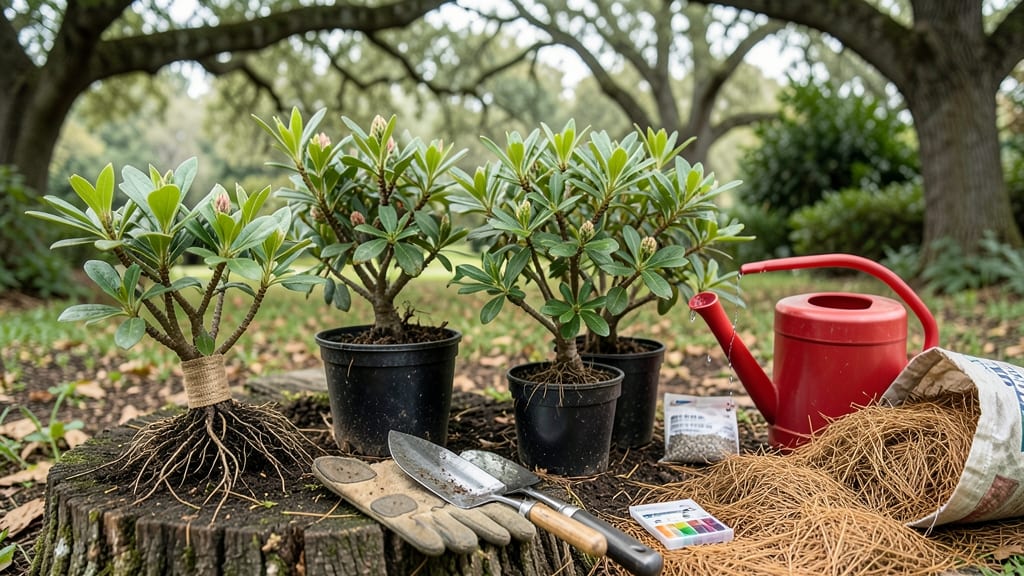
Planting azaleas in Florida at the wrong time can mean the difference between vibrant blooms and struggling shrubs—especially when coastal humidity clashes with inland heat. The ideal planting window shifts dramatically between Florida’s frost-free zones, where even a slight miscalculation can stress these finicky 🌸 azaleas.
If you’ve ever watched your azaleas wilt under Florida’s intense sun or fail to thrive despite your best efforts, timing is likely the culprit.
Coastal areas like Miami (Zone 11) and inland regions like Orlando (Zone 9) have very different sweet spots—fall for cooler roots or early spring to avoid summer’s brutal heat.
I’ll break down the exact months to plant based on your location, plus how to prep soil and care for your azaleas so they bloom like crazy every spring. No more guessing—just proven strategies tailored to Florida’s unique climate.
Ready to transform your yard into a year-round display of color? Let’s dive into the perfect planting schedule for your azaleas, whether you’re near the coast or tucked inland.
Optimal azalea planting windows in Florida’s coastal vs inland zones
Florida’s frost-free zones and microclimates create perfect conditions for azaleas—but timing is everything. Coastal areas like Miami (Zone 10B-11) and inland regions such as Orlando (Zone 9B-10A) have distinct planting windows due to humidity and temperature differences.
Planting at the wrong time can stress your shrubs, leading to poor root establishment or even death.
The ideal planting window for Florida azaleas spans September through November (fall) and February through March (early spring). These periods align with soil temperatures between 60°F and 75°F, which encourages root growth without heat stress.
Coastal zones can extend planting slightly later into December, while inland areas may need to start earlier in late January to avoid summer heat.
Here’s how Florida’s microclimates impact your azalea planting schedule:
| Zone/Region | Optimal Planting Window | Soil Temp Threshold | Key Considerations |
|---|---|---|---|
| Coastal (Zone 10B-11) | September–December | 65°F–75°F | Higher humidity; avoid summer heat (June–August). |
| Inland (Zone 9A-10A) | September–November or February–March | 60°F–70°F | Drier air; spring planting avoids drought stress. |
| North Florida (Zone 8A-9A) | September–October or February–March | 55°F–65°F | Coolest zones; avoid late spring (May heat). |
For coastal Florida, the fall window (September–November) is critical. The ocean’s moderating effect keeps soil temperatures ideal, while humidity levels reduce transplant shock. Inland areas, however, benefit from early spring planting (February–March) to escape the dry, hot summers that can stress young roots.
If you miss the primary windows, don’t panic. August and January are secondary months for inland zones, but always water deeply and provide afternoon shade to protect tender new growth. Avoid planting during peak summer (June–August)—the heat will burn roots before they establish.
Pro tip: Check soil moisture before planting. Coastal soils stay damp longer, while inland areas may need pre-watering to prepare the site. Aim for 1–2 inches of water per week after planting to encourage root spread.
For container-grown azaleas, timing is even more critical. These plants transplant best in cooler months (September–March) to minimize stress. If you’re adding them to pots or planters, use well-draining mix with peat moss to maintain acidity.
Remember: Azaleas hate soggy roots. Coastal gardeners must ensure proper drainage to prevent root rot from Florida’s frequent rains. Inland gardeners should mulch heavily (3–4 inches) to retain moisture during dry spells.
🌸
Critical factors that determine azalea planting success in Florida
Florida’s humid subtropical climate creates unique challenges for azaleas, where soil pH and moisture balance can make or break your shrubs. Unlike northern states, Florida’s lack of frost means you won’t get a natural dormancy period—so proper timing and care are essential to prevent stress or disease.
The biggest mistake I see? Planting azaleas in full afternoon sun without shade, which causes leaf scorch in inland areas like Orlando or Tampa.
First, soil acidity (pH 4.5-6.0) is non-negotiable for azaleas. Florida’s native soils are often alkaline, so I always amend with peat moss or sulfur-based fertilizer before planting. Test your soil first—many local UF/IFAS Extension offices offer free or low-cost testing.
If your soil pH is above 6.5, your azaleas will struggle to absorb nutrients, leading to yellowing leaves and poor blooms.
Moisture retention is another Florida-specific hurdle. Coastal areas like Miami or Key West get heavy rains, while inland zones like Gainesville face drought. Azaleas need consistent moisture but hate soggy roots. I recommend well-draining soil with organic matter (like compost or pine bark) to strike the balance. Mulch with pine straw to retain moisture and mimic their natural forest-floor habitat.
🚨Callout Warning:
⚠️ Avoid These Florida-Specific Mistakes
- Overwatering in coastal zones → Leads to root rot from poor drainage.
- Planting in full sun without shade → Causes leaf scorch in inland heat.
- Ignoring soil pH → Alkaline soil blocks nutrient uptake, stunting growth.
- Using wrong fertilizer → High-phosphorus blends burn roots; use acid-forming formulas.
Pro Tip: Water in the morning to reduce fungal risks from humidity.
For afternoon shade, consider Florida’s microclimates. Coastal areas benefit from natural shade from palm trees, while inland gardens may need artificial shade cloth (30-50%) during peak summer heat.
I’ve had the most success with east-facing plantings—they get morning sun (which azaleas love) but avoid the intense 2 PM sun that dries out leaves.
Finally, post-planting care differs by region. In South Florida (Zone 10A-11), azaleas bloom year-round, so I focus on light feeding every 2-3 months with an 8-4-8 acid fertilizer. In North Florida (Zone 8A-9A)early fall to build roots for winter.
Remember: Florida azaleas thrive when you mimic their natural habitat—acidic soil, partial shade, and consistent moisture. Skip these basics, and you’ll end up with stressed shrubs that struggle to bloom.
But get it right, and you’ll have vibrant blooms from winter to spring—even in the heat! 🌸