
Plants
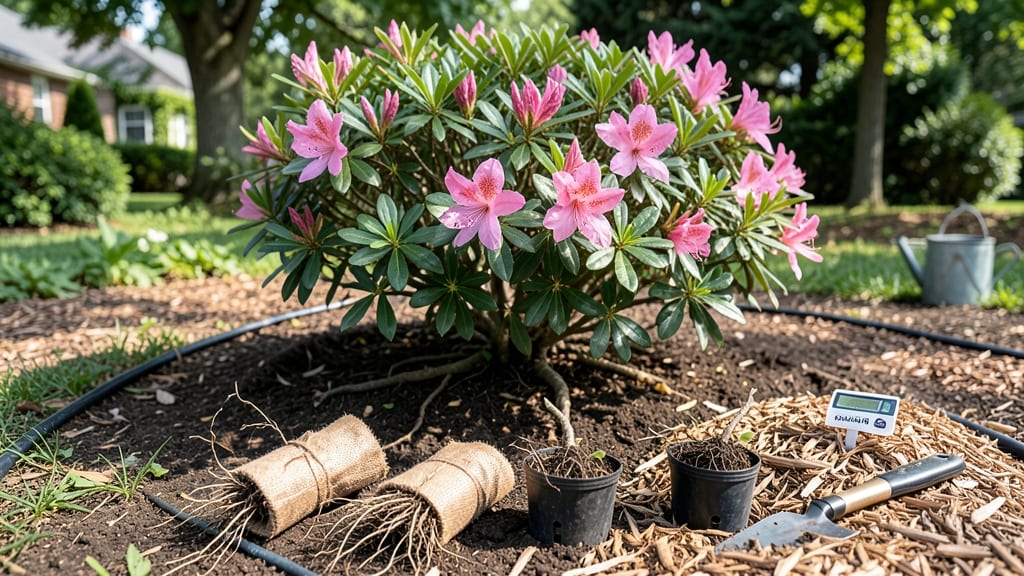
Planting azaleas in Florida at the wrong time can mean struggling blooms—or worse, losing them to unexpected frost. But timing it right guarantees vibrant 🌸 flowers year after year with minimal effort.
If you've ever wondered why some Florida gardens burst with azaleas while others barely survive, the answer lies in understanding the best months to plant them. Florida's unique climate—with its frost-free zones and humid summers—means traditional planting advice won't cut it here.
In this guide, I'll walk you through the ideal fall to early spring window (October through March) that works for Florida's 8a-11 zones, plus how to adapt for North vs. South Florida's microclimates.
You'll discover why planting in summer heat is a recipe for disaster and how to prepare your soil for maximum root success.
Ready to transform your yard into a springtime azalea paradise? Let's dive into the secrets that will have your shrubs thriving—and blooming—like never before.
Best months to plant azaleas in Florida (avoid these deadly mistakes)
Timing is everything when planting azaleas in Florida. Unlike northern states, Florida’s frost-free growing season stretches nearly year-round, but that doesn’t mean you can plant anytime.
The ideal window is from October through March, when soil temperatures are cool and humidity is lower—perfect for root establishment before summer’s heat hits.
If you plant in late spring or summer, your azaleas will struggle with heat stress and transplant shock, often leading to wilting or even death. Even worse, hurricane season (June–November) can uproot newly planted shrubs. Let’s break down the best months and what to avoid.
🌸 Florida Azalea Planting Timeline
| Month | Best For | Risks | Action |
|---|---|---|---|
| October | Bare-root planting | None (cool temps) | Plant before first frost risk |
| November–February | Container-grown azaleas | Light frost in North FL | Use mulch for protection |
| March–April | Peak planting | Heat stress | Water deeply after planting |
| May–September | Avoid planting | Hurricanes, extreme heat | Wait for cooler weather |
🌡️ Pro Tip: Soil temps above 75°F slow root growth—plant when temps drop below 70°F.
For North Florida (USDA zones 8a–9a), focus on planting between October and February to avoid late-winter frosts that can kill tender roots. In Central and South Florida (zones 9b–11), you have more flexibility—even May planting can work if you provide afternoon shade and extra water.
Container-grown azaleas are more forgiving than bare-root shrubs, so you can plant them year-round in Florida. However, fall planting still gives them the best chance to establish before summer’s heat. If you’re in a hurricane-prone zone, avoid planting in June–October—storms can uproot young plants.
One common mistake Florida gardeners make is planting azaleas in late spring (April–May) without proper shade. The intense afternoon sun can scorch leaves, while the high humidity promotes fungal diseases like root rot. Always choose a spot with morning sun and afternoon shade.
If you miss the ideal planting window, don’t panic. You can still plant azaleas in early fall (September) or even late winter (February), but be prepared to water deeply and mulch heavily to help them recover from transplant shock.
The key is giving your azaleas time to establish roots before summer.
For bare-root azaleas, the best time is October–November, when the plant is dormant and less stressed. Container-grown azaleas, however, can be planted anytime except peak summer. Just remember: cooler temps + lower humidity = happier azaleas.
Finally, always check your local UF/IFAS extension office for microclimate-specific advice. Some areas, like the Panhandle, have earlier frost risks than Miami, so timing can vary by just a few weeks. When in doubt, plant in fall—it’s the safest bet for Florida azaleas.
With the right timing, your azaleas will reward you with vibrant spring blooms for years to come. Start planning now—your fall planting window opens soon! 🌿
How Florida’s microclimates change azalea planting zones (and what that means for you)
Florida’s climate isn’t one-size-fits-all—what works in South Florida’s Miami may fail in North Florida’s Gainesville. Azaleas thrive in USDA Zones 8a-11, but microclimates create 3 distinct planting zones with unique timing needs.
In North Florida (Zones 8a-9a), frost risk lingers until mid-February, forcing later planting. Meanwhile, Central Florida (Zone 9b) offers a 6-week window from October to November, while South Florida (Zones 10a-11) can plant year-round with minimal stress.
🌸
| Region | Planting Window | Key Risks | Soil Prep Tip |
|---|---|---|---|
| North Florida (Panhandle/Gainesville) | October 15 - November 30 | Late frost, drought | Add peat moss for moisture retention |
| Central Florida (Orlando/Tampa) | September 15 - November 15 | Hurricane season (June-Nov) | Raise beds 2-3 inches for drainage |
| South Florida (Miami/Ft. Lauderdale) | Year-round (best: Oct-Mar) | Salt spray, heat stress | Use pine bark mulch for acidity |
North Florida gardeners should avoid planting after November 30—frost can kill young roots. In contrast, South Florida’s year-round window means you can even replace azaleas in summer (just water daily for 2 weeks).
Humidity also varies: North Florida’s lower humidity means faster drying soil, while South Florida’s 80%+ humidity demands elevated beds to prevent root rot. Test your soil’s pH (4.5-6.0)—Florida’s sandy soil often needs sulfur amendments.
🌿
Pro tip: Use container-grown azaleas in North Florida’s Zone 8a—they establish roots faster than bare-root plants. For Central/South Florida, mulch heavily (3-4 inches) to lock in moisture during summer’s 90°F+ heat.