
Plants
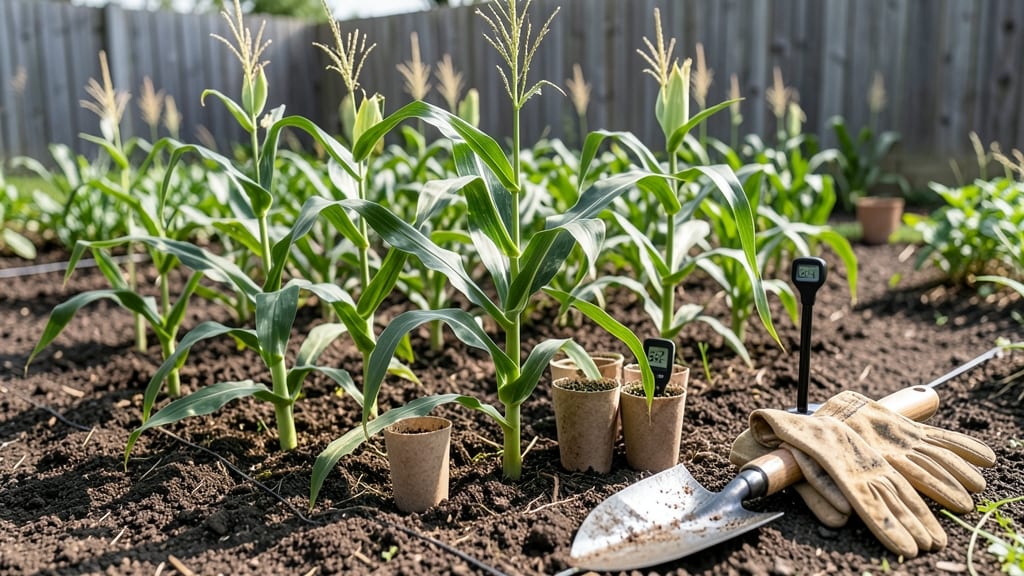
If you’ve ever stared at your Vermont garden in early May, wondering when to plant corn in Vermont without risking frost, you’re not alone. That perfect window between last frost and scorching summer heat is narrow—and getting it wrong means either sad, nipped seedlings or corn that never matures.
The good news? With the right timing and a few local tricks, you can grow sweet, plump ears that feed your family from late August through October.
In Vermont’s USDA Zones 4b-6a, where late frosts can linger until mid-May, planting too early is a gamble. But waiting too long cuts your growing season short, especially for varieties that need 120 days to reach harvest.
The secret lies in balancing soil warmth (aim for 60°F+) with frost-free confidence—typically after May 15th in most areas, but earlier in sheltered microclimates like the Champlain Valley.
This guide cuts through the guesswork with zone-specific deadlines, soil prep tips, and variety recommendations tailored to Vermont’s short but sweet growing window.
Whether you’re a first-time gardener or a veteran grower, you’ll learn how to time your planting for maximum yield—and avoid the heartbreak of watching your 🌽 dreams wilt before they even begin.
From adjusting for early vs. late varieties to extending the season with row covers, we’ll cover everything you need to turn your Vermont plot into a cornucopia of golden ears. Let’s get those seeds in the ground the right way—no frostbite required.
Vermont corn planting deadlines by last frost date (Zone 4 vs. 5)
Vermont’s USDA Zones 4 and 5 create distinct planting windows for corn. In Zone 4 (northern VT), where last frosts average May 20-25, you’ll need to plant early-maturing varieties by May 10-15 to harvest before fall frosts.
Zone 5 (southern VT) offers 10-14 extra days—planting May 15-30 works well for both early and mid-season corn.
Corn thrives with 90-120 frost-free days. Vermont’s 150-180 day growing season means you’ll need to choose varieties carefully. Early varieties (60-75 days) are safest in Zone 4, while mid-season (75-90 days) works in Zone 5.
Late varieties (90+ days) risk frost damage unless you use season extenders.
🌽 Pro Tip: Use your local Almanac’s frost date (not averages) to adjust planting. For example, Burlington (Zone 4b) may need corn in the ground by May 5, while Brattleboro (Zone 5a) can wait until May 20.
| Zone & Location | Avg. Last Frost | Ideal Planting Window | Backup Window (Delayed Spring) | Recommended Varieties |
|---|---|---|---|---|
| Zone 4 (Northern VT) Burlington, St. Johnsbury |
May 20-25 | May 5-15 | April 25-May 5 (with row covers) | 'Early Sunglow' (65 days), 'Golden Bantam' (70 days) |
| Zone 4b-5a (Central VT) Montpelier, Barre |
May 15-20 | May 10-25 | May 5-15 (with black plastic mulch) | 'Silver Queen' (80 days), 'Peaches and Cream' (75 days) |
| Zone 5 (Southern VT) Bennington, Brattleboro |
May 10-15 | May 15-30 | June 1-10 (late varieties only) | 'Ambrosia' (85 days), 'Country Gentleman' (90 days) |
🌱 Note: Adjust for microclimates—south-facing slopes warm faster than valleys.
For Zone 4 gardeners, prioritize short-season varieties like 'Early Sunglow' (65 days). These mature before Vermont’s October 1 average first frost. In Zone 5, you can experiment with sweet corn hybrids like 'Peaches and Cream' (75 days) for a longer harvest window.
🌡️ Soil Temperature Matters: Corn won’t germinate well below 50°F. Use a soil thermometer to confirm 60°F+ before planting. In cold springs, warm soil with black plastic mulch 1-2 weeks before planting to speed germination.
If your spring is unusually late, consider starter plants or transplanting seedlings (4-6 inches tall) after Memorial Day. While not ideal, this can extend your planting window by 2-3 weeks. Just be sure to harden off seedlings first to avoid transplant shock.
📅 Harvest Timeline: Count back from your average first frost to determine your latest planting date. For example, if frost hits October 1 and your corn needs 90 days, plant by July 2. This is why Zone 4 gardeners rarely plant after June 15.
For maximum yield, plant successive crops every 2 weeks in Zone 5. This ensures a continuous harvest from late August through early October. In Zone 4, stick to one planting and focus on early varieties for the best results.
🌿 Vermont-Specific Tip: If you’re near Lake Champlain or the Winooski River, expect
How to adjust planting dates for Vermont’s microclimates and corn varieties
Vermont’s microclimates can shift planting windows by weeks—sheltered valleys may warm faster than exposed hills. Start by checking your local last frost date, but add a buffer for cold snaps.
For example, Zone 4 areas like St. Johnsbury often wait until May 20, while Zone 5 spots like Burlington can plant by May 10.
Corn varieties also play a crucial role. Early-maturing hybrids like 'Early Sunglow' (60-65 days) tolerate cooler soils, while late-season varieties like 'Golden Bantam' (90+ days) need warmer temperatures. Match your variety to your frost-free days—aim for 150-180 days to harvest before fall frosts.
Soil temperature is non-negotiable. Corn won’t germinate well below 50°F, and ideal conditions start at 60°F+. Use a soil thermometer to confirm readiness—planting too soon leads to poor germination and stunted growth. In cooler years, opt for black plastic mulch to warm the soil by 5-10°F.
🌱 Numbered Highlights for Vermont Corn Planting
- 1. Soil Temp Check: Wait until soil hits 60°F+ (use a thermometer!).
- 2. Variety Match: Early varieties (60-75 days) for Zone 4; late varieties (90+ days) for Zone 5.
- 3. Microclimate Adjust: Add 7-10 days to frost dates for high-elevation areas.
- 4. Row Covers: Use floating row covers to extend season by 2-3 weeks.
- 5. Backup Plan: Have late-summer varieties ready if spring delays occur.
Don’t overlook row covers or black plastic mulch—these can push your planting window 2-3 weeks earlier by trapping heat. For example, covering seeds with clear plastic tunnels in early May can jumpstart growth in Zone 4 areas. Just remove covers after germination to avoid overheating.
If your spring runs late, consider late-summer varieties like 'Silver Queen' (85 days). Plant these in early June for a fall harvest before hard frosts. This strategy works well in southern Vermont where summers stretch longer. Always test soil pH (6.0-7.0) and add compost to improve fertility.
Finally, keep a planting journal to track your local patterns. Note when soil warms, frost dates shift, or varieties thrive. Over time, you’ll refine your personalized planting schedule—because in Vermont, one year’s perfect timing might be the next year’s disaster.