
Plants
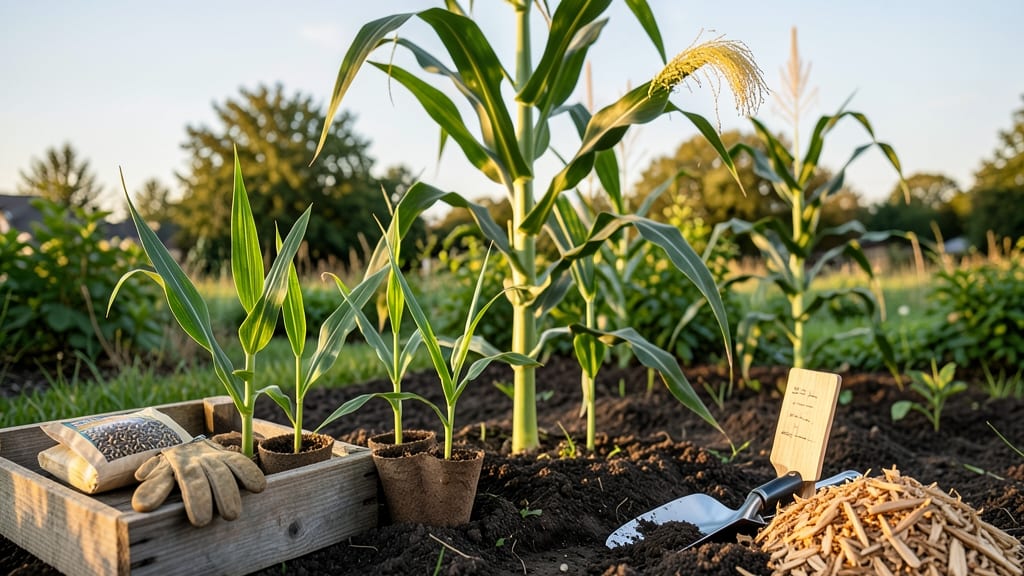
Timing your corn planting in Minnesota isn’t just about following a calendar—it’s about outsmarting frost, soil, and the state’s famously short growing season. One wrong move, and you could lose your entire crop to late frosts or miss peak harvests entirely. With Zone 4a-5b conditions, even experienced gardeners need a precise strategy to get those 🌽 seeds in the ground at the perfect moment.
Most Minnesotans know the general rule: wait until mid-April to mid-May after the last frost. But what if spring drags on? Or if your soil stays stubbornly cold? I’ll break down the exact signals to watch for—soil temperature, plant hardiness, and even backup plans for late starts.
No more guessing whether your corn will bolt or wither before it even gets a chance to grow.
Here’s the game-changer: the right corn varieties and a few simple adjustments can turn Minnesota’s unpredictable weather into an advantage. Whether you’re a backyard gardener or a homestead grower, these tips will help you maximize your harvest from July through October. Let’s get those kernels popping—without the frost-related panic.
Ready to ditch the trial-and-error? I’ll walk you through everything from soil prep to variety selection, so you can plant with confidence. No more wasted seeds or disappointed harvests—just golden ears ready for the cob.
Minnesota corn planting dates by frost Zone 4a-4b
Timing is everything when planting corn in Minnesota. With Zone 4a-4b’s short growing season, you’ve got a narrow window—typically mid-April to mid-May—to get seeds in the ground after the last frost.
Southern MN (Zone 4b) can start slightly earlier, while northern areas (Zone 4a) should wait until soil warms to 50°F+ to avoid stunted growth.
Use your local last frost date as your guide, but don’t rush. Corn seeds need consistent warmth to germinate, and cold soil can delay sprouting by weeks. In 2023, southern MN saw its last frost on May 10, while northern areas held off until May 15.
Check the MN State Climatology Office for yearly updates.
For early varieties (like ‘Golden Bantam’), you can start seeds indoors in March under grow lights, then transplant outdoors after frost. Hardier hybrids (e.g., ‘Pioneer 39T23’) can handle cooler soils, giving you flexibility if spring drags on.
🌽 Minnesota Corn Planting Timeline
| Zone | Ideal Planting Window | Soil Temp Threshold | Backup Dates (Late Spring) |
|---|---|---|---|
| 4b (Southern MN) | April 20–May 10 | 50°F+ (10°C) | May 15–20 (use row covers) |
| 4a (Northern MN) | May 1–May 15 | 55°F+ (13°C) | May 20–June 1 (short-season varieties only) |
Pro Tip: Test soil temp with a soil thermometer—corn roots struggle below 50°F. 🌡️
If you’re planting sweet corn, prioritize early-maturing varieties (70–90 days to harvest). For dent corn (used for flour or animal feed), opt for 100-day varieties to maximize yield. In Zone 4a, even a 2-week delay can reduce harvest size by 30%, so plan ahead.
For container gardening, start seeds 4–6 weeks before your last frost date. Use 5-gallon pots or larger to accommodate deep roots, and place containers in full sun. Black pots absorb heat faster, helping warm the soil earlier in spring.
Watch for false springs—those warm spells in March or early April that trick you into planting too soon. Corn seedlings can’t survive below 40°F for more than a night. If frost threatens, cover young plants with frost cloth or a lightweight row cover.
After planting, maintain consistent moisture—corn needs 1–2 inches of water weekly. Use a drip irrigation system to keep soil evenly damp without wetting foliage (which spreads fungal diseases). Mulch with straw or grass clippings to retain moisture and suppress weeds.
Remember: Corn is wind-pollinated, so plant at least 4 rows (or 20 feet apart) to ensure cross-pollination. If you’re growing multiple varieties, isolate them by ¼ mile to prevent genetic mixing. Save seeds only from open-pollinated varieties like ‘Country Gentleman’.
For late springs, consider starter fertilizer (5-10-5) at planting to jumpstart growth. If your season runs long, opt for bicolor or tri-color corn, which often mature slightly faster than white varieties. Track your progress with a gardening journal to refine planting dates yearly.
Minnesota corn planting dates by frost Zone 4a-4b
Timing is everything when planting corn in Minnesota, where Zone 4a-4b means just 120 frost-free days to grow a full crop. Your planting window hinges on two critical factors: last frost dates and soil temperature.
In southern MN (Zone 4b), aim for mid-April to early May, while northern areas (Zone 4a) should wait until late April to mid-May to avoid frost damage.
Corn seeds won’t sprout until soil reaches 50°F (10°C). Use a soil thermometer to confirm—planting too early in cold soil can lead to rot or stunted growth. If your soil is still chilly, consider black plastic mulch or a cold frame to warm it faster.
Pro tip: Check the MN State Climatology Office for your local last-frost averages each year.
| Zone | Last Frost Date | Ideal Planting Window | Soil Temp Threshold | Backup Date (Late Spring) |
|---|---|---|---|---|
| 4a (Northern MN) | Mid-May | Late April–Mid-May | 50°F (10°C) | Early June (short-season varieties) |
| 4b (Southern MN) | Early May | Mid-April–Early May | 50°F (10°C) | Late May (early maturing hybrids) |
If a late spring delays planting, opt for early-maturing varieties (under 85 days to harvest). These can still produce ears even when planted in early June, though yields may be smaller.
For example, ‘Golden Bantam’ (80-day variety) is perfect for MN’s short season. Always plant 1 inch deep and space rows 2.5–3 feet apart to ensure proper airflow and growth.
Minnesota’s unpredictable weather means flexibility is key. Keep an eye on 10-day forecasts and be ready to cover young plants with frost cloth if late frosts threaten. In my garden, I’ve learned that planting a week later than average is better than risking frost damage to tender corn seedlings.
Use a planting calendar to track your progress and adjust as needed.
For container gardening, start seeds indoors 4–6 weeks before your last frost date using biodegradable pots. Transplant seedlings outdoors once soil warms and all danger of frost has passed.
Containers need at least 12-inch depth to accommodate corn roots. Remember, corn is wind-pollinated, so plant at least 4 rows for proper pollination.
Finally, mark your corn planting dates on a garden journal or calendar. Minnesota’s growing season is short, but with precise timing and the right variety, you can enjoy homegrown sweet corn from ear to table.
Don’t wait until the last minute—soil prep and seed ordering should start in early spring to be ready for your planting window.