
Plants
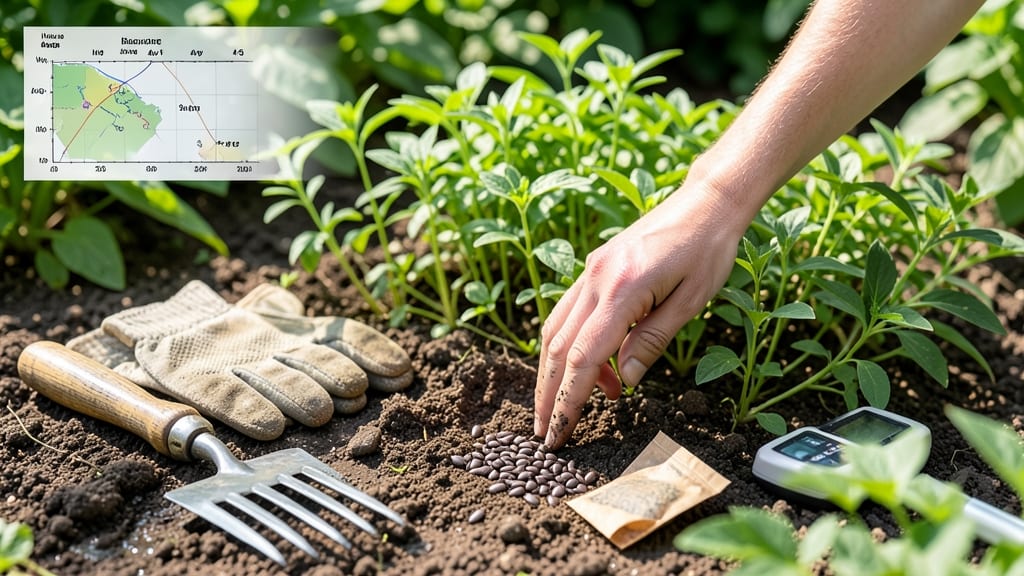
If you're growing buckwheat 🌾 in Michigan, timing your planting could mean the difference between a thriving crop and a wasted effort—especially with our short growing season and unpredictable frosts.
Michigan's USDA Zones 5b-6b give you just 160 frost-free days, so planting too early or late risks stunted growth or early frost damage. The sweet spot? Late spring to early summer, when soil temperatures hit at least 50°F—but there's more to it than just the calendar.
Whether you're growing buckwheat for grain, cover crops, or forage, knowing the exact window to plant—and when to harvest before Michigan's first frost—is the key to success. I'll break down the best planting times for your zone, plus pro tips to extend your growing season.
From choosing the right variety to adjusting for Michigan's climate quirks, you'll learn how to make the most of your buckwheat crop without guessing. Let's get started.
Michigan buckwheat planting calendar by USDA Zone 4-5
Michigan’s short growing season and variable frost dates make timing critical for buckwheat success. In USDA Zones 4-5, you’ve got just 160 frost-free days—so planting too early or late can spell disaster. The key? Soil temperature and frost risk—both dictate your buckwheat’s survival and yield.
Buckwheat thrives in warm soil (50°F+) and long daylight hours, which is why late May to early June is the sweet spot for most Michigan gardeners.
But don’t stop there—late summer replanting (August) can still yield grain before frost, while fall cover crops planted 4-6 weeks before the first frost help suppress weeds and enrich soil.
⚠️ PRO TIP: Use a soil thermometer to confirm 50°F+ soil temps before sowing. Cold soil = slow germination = missed harvest windows.
| Planting Period | USDA Zone 4 (Northern MI) | USDA Zone 5 (Southern MI) | Soil Temp (°F) | Days to Harvest | Key Risk |
|---|---|---|---|---|---|
| Late May - Early June | May 20 - June 5 | May 10 - June 10 | 50°F+ | 60-90 days | Late frost |
| Late July - Early August | July 25 - Aug 5 | July 15 - Aug 10 | 55°F+ | 50-70 days | Early frost |
| Mid-August (Cover Crop) | Aug 10 - Aug 20 | Aug 1 - Aug 15 | 50°F+ | 30-45 days | Weed competition |
For Zone 4 gardeners (think Traverse City or Marquette), stick to the early June window—any earlier and you risk late spring frosts that can kill seedlings. Zone 5 gardeners (like those in Detroit or Ann Arbor) have more flexibility, with late July still viable for grain harvests.
Buckwheat’s heat tolerance lets it handle Michigan’s summer heatwaves, but soil moisture is critical. Aim for 1 inch of water weekly during dry spells—drought stress slows growth and cuts yields. Mulch lightly to retain moisture without smothering seedlings.
If you’re growing buckwheat for grain, prioritize the June planting—it gives you the longest harvest window before frost. For cover crops, August plantings work perfectly, smothering weeds before winter. Just mow or till before seed set to prevent reseeding.
Watch for Michigan’s unpredictable weather: A 50°F dip in July can stall growth, while 90°F+ heat speeds up maturity. Use row covers in early plantings to protect seedlings, but remove them once plants hit 6 inches tall to avoid overheating.
Pro move: Test your soil before planting—buckwheat prefers slightly acidic to neutral pH (6.0-7.0). Amend with compost or lime if needed, but avoid fresh manure—it can burn seedlings and attract pests.
Remember, buckwheat’s speed is its superpower. From seed to harvest in just 60 days, it’s Michigan’s ultimate quick-fix crop—whether you’re feeding your family, attracting pollinators, or prepping soil for next year.
How to time buckwheat for cover crops vs. grain harvest in Michigan
Timing your buckwheat planting in Michigan depends entirely on your goal—whether you're growing it as a cover crop or harvesting the grain. The same plant serves dual purposes, but each requires a different planting window to succeed in Michigan's short growing season.
Let's break down the critical deadlines for each approach.
For cover crop use, buckwheat shines when planted 4-6 weeks before the first frost. In Michigan, this means targeting late summer (around August 1-15) for USDA Zone 5 or early August for Zone 4.
This timing ensures the plant establishes roots, suppresses weeds, and improves soil health before winter sets in. The fast growth rate of buckwheat makes it ideal for this role—it can reach maturity in just 30-40 days under ideal conditions.
The grain harvest, however, demands a longer growing season. To avoid Michigan’s early frosts (which can hit as early as mid-October in Zone 4), plant buckwheat for grain between mid-May and early June.
This gives you a 90-100 day window to harvest before the first frost. Varieties like 'Koda' are better suited for this later planting window because they tolerate warmer soil temperatures and produce higher yields.
Here’s the key difference: Cover crop buckwheat thrives with late-summer planting, while grain buckwheat needs an early start. In USDA Zone 4 (Northern Michigan), where the growing season is shorter, aim for early May planting for grain to maximize your harvest window.
In Zone 5 (Southern Michigan), you have a bit more flexibility—planting as late as mid-June can still yield a successful grain harvest.
Pro tip: Use a soil thermometer to confirm soil temperatures are above 50°F (10°C) before planting. Buckwheat won’t germinate well in cooler soils, and Michigan’s spring can be unpredictable.
If you’re planting for grain and the season feels tight, consider using row covers to extend the growing window by a few weeks, especially in Zone 4.
Plant 4-6 weeks before first frost (late August for Zone 5, early August for Zone 4) to suppress weeds and improve soil before winter.
Plant mid-May to early June for a 90-100 day harvest window before Michigan’s early frosts hit.
Zone 4 gardeners should plant 2 weeks earlier than Zone 5 to account for Michigan’s shorter growing season.
Wait until soil reaches at least 50°F (10°C)—buckwheat won’t germinate in cooler conditions.
Use row covers in Zone 4 to add 2-3 weeks to the growing season for grain harvests.
One common mistake Michigan gardeners make is planting buckwheat too late for grain harvests. If you miss the early June deadline, the plant may not mature before frost, leaving you with inedible grain.
Conversely, planting too early for cover crops can result in overgrowth before the first frost, reducing its effectiveness. Always align your planting with your specific goal to make the most of Michigan’s growing season.
Finally, consider interplanting buckwheat with slower-growing crops like tomatoes or peppers. This strategy allows you to maximize your garden space while still meeting the buckwheat’s planting deadlines.
For example, plant buckwheat in late May alongside early-maturing tomatoes—once the tomatoes are harvested, the buckwheat will take over the space and thrive until frost.