
Plants
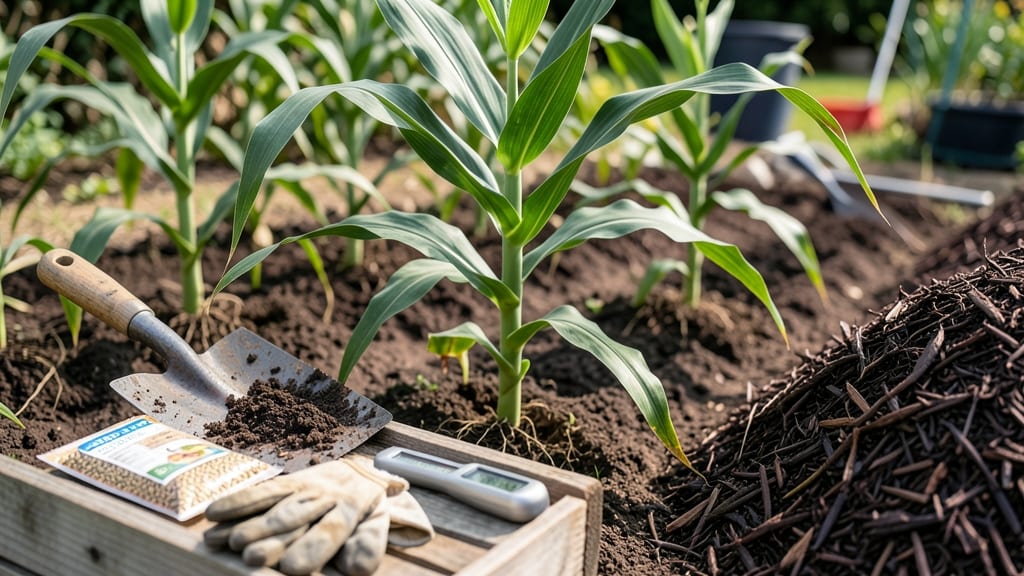
Knowing when to plant corn in Houston can mean the difference between sweet, juicy ears and tough, starchy stalks that barely taste like anything. With Houston’s 9a climate and unpredictable spring weather, timing is everything—and getting it wrong can leave you frustrated by summer heat.
Most gardeners in Houston aim to plant 🌽 corn between mid-March and early May, but the exact window depends on soil temperatures and last frost dates. Too early, and frost will kill tender seedlings; too late, and the scorching summer sun will turn your harvest into a chewy disappointment.
The secret? Waiting until the soil warms to at least 60°F and the threat of frost has passed.
In this guide, I’ll break down the exact weeks before last frost that work best for Houston, plus how to adjust for your specific neighborhood’s microclimate.
Whether you’re a first-time gardener or a seasoned pro, these tips will help you grow the sweetest, most flavorful corn your Houston garden has ever seen.
Ready to skip the guesswork? Let’s dive into the perfect planting schedule, soil prep tricks, and variety choices that thrive in Houston’s heat—so you can enjoy fresh-picked ears from late June through October.
Houston corn planting timeline: exact weeks before last frost for maximum yield
Houston’s Zone 8b-9a climate gives gardeners a narrow but critical window to plant corn successfully. The last average frost date in Houston typically falls around mid-February, but soil temperatures need to reach a consistent 60°F (15°C) before planting.
For sweet corn varieties, this means aiming for 3-4 weeks before the last frost, usually in mid-March to early April.
However, Houston’s urban heat islands can create microclimates where rural areas may experience frost 1-2 weeks later than city centers. Always check your specific ZIP code’s frost data—for example, 77006 (Downtown) might be 2-3°F warmer than 77384 (Katy) during spring nights.
Corn thrives on warm soil and consistent heat, so planting too early risks stunted growth or even death from late frosts. Conversely, planting too late (after mid-April) exposes plants to Houston’s oppressive summer heat, which can cause bolting (premature tasseling) or ear rot from fungal pressure.
For 2024 Houston gardeners, I recommend using the National Weather Service’s frost prediction tool for your exact ZIP code. For example, 77055 (West Houston) might have a last frost date of March 1, while 77449 (Pearland) could be March 15.
Planting 3 weeks before these dates gives corn enough time to mature before Houston’s summer heat peaks in June-July.
Pro tip: Use a soil thermometer to confirm temperatures. Corn seeds won’t germinate well below 60°F (15°C), even if the air feels warm. If your soil runs cooler than expected, consider black plastic mulch to warm it up 2-3°F faster than bare soil.
Another Houston-specific challenge is humidity-induced fungal diseases like corn smut or gray leaf spot.
To mitigate this, I always plant my early varieties (like ‘Silver Queen’) by March 20 and late varieties (like ‘Peaches and Cream’) by April 10, ensuring a staggered harvest before fungal pressure peaks in August-September.
For container growers in Houston, start seeds indoors 4-6 weeks before your last frost date using grow lights to simulate long days. Transplant seedlings outdoors only after nighttime temperatures stay above 55°F (13°C) consistently. This extends your growing season by 2-3 weeks compared to direct sowing.
Remember: Corn is a short-day plant, meaning it responds to daylight length. Houston’s 13+ hour days in summer can trigger early bolting if planted too late. Stick to the March-April window for the sweetest, most reliable harvests.
🌽
How to adjust corn planting for Houston’s heat and humidity: avoiding common mistakes
Houston’s 90°F+ summers and high humidity (often over 70%) create unique challenges for corn growers. Without adjustments, your plants may bolt prematurely (shoot up without forming ears) or succumb to fungal diseases like gray leaf spot.
The key is balancing shade protection, irrigation timing, and companion planting to mimic the cooler, drier conditions corn prefers.
I’ve learned the hard way—my first attempt at growing sweet corn in Houston’s peak heat resulted in tough, starchy kernels instead of tender, juicy ones. The fix? Planting later in the season (after Memorial Day) and using 30% shade cloth during the hottest months.
This simple tweak extended my harvest window by 3 weeks and improved kernel sweetness dramatically.
Here’s the critical adjustment