
Plants
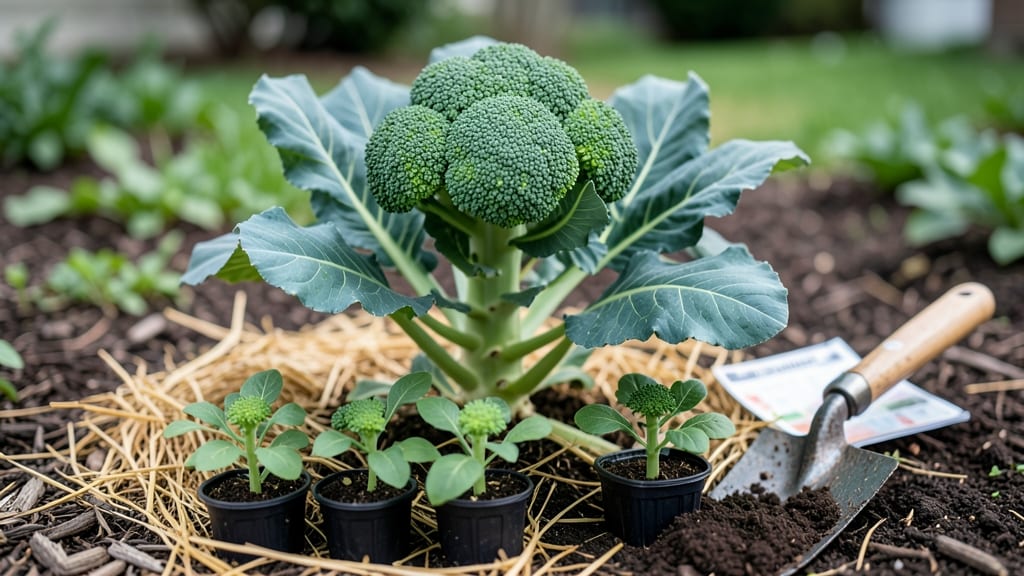
Timing your 🥦 broccoli planting in Minnesota isn’t just about the calendar—it’s about beating frost, avoiding bolting, and squeezing every harvest out of the short growing season.
Get it wrong, and you’ll either watch your plants bolt before producing a single edible head or lose them to early frost before they mature.
I’ve grown broccoli in Minnesota’s 4a-5b zones for years, and the difference between a zero-bolt harvest and a disappointing one comes down to exact weeks before last frost.
Whether you’re planting in spring or fall, knowing the precise window—plus how to adjust for early or late frost years—is the key to success.
In this guide, I’ll break down the optimal planting schedule for both spring and fall crops, including how to prep your soil, choose the right varieties, and use shade cloth to extend your harvest. No more guessing—just proven strategies to grow head-sized broccoli even in Minnesota’s unpredictable climate.
Let’s dive into the exact weeks you should plant, so you can enjoy a bountiful harvest from July through November without the stress of bolting or frost damage.
Minnesota’s broccoli planting timeline: weeks before last frost by Zone
Minnesota’s short growing season and unpredictable frost dates demand precision when planting broccoli. The key is timing your seedlings or seeds to mature 90-120 days before the first frost—typically mid-September to early October in most zones.
For spring plantings, aim to transplant 4-6 weeks before your last frost date, usually mid-April to early May.
Minnesota spans USDA Zones 3-5, each with slightly different frost timelines. Northern zones (3-4) have later last frosts, while southern zones (5) can start earlier.
I’ll break down the exact weeks before frost for both spring and fall plantings, plus how to adjust if you’re in an early or late frost year.
Here’s the golden rule for Minnesota broccoli: Plant spring crops 4-6 weeks before last frost and fall crops 90-120 days before first frost. Miss this window, and you’ll either face bolting (premature flowering) or frost damage before harvest. Let’s dive into the zone-specific details.
Minnesota Broccoli Planting Timeline by Zone
| Zone | Last Frost Date | Spring Planting Window | Weeks Before Last Frost |
|---|---|---|---|
| 3 (North) | May 15-20 | April 20 - May 5 | 4-5 weeks |
| 4 (Central) | May 1-10 | April 10 - April 25 | 4-5 weeks |
| 5 (South) | April 25 - May 5 | March 25 - April 15 | 4-5 weeks |
*Adjust 1-2 weeks earlier for early frost years or later for late frost years.
For fall broccoli, the math shifts to 90-120 days before first frost. In Zone 3, that means sowing seeds or transplanting seedlings by late July. In Zone 5, you’ve got a slightly longer window—early to mid-August.
I recommend starting with fast-maturing varieties like ‘De Cicco’ (58 days) or ‘Waltham 29’ (60 days) to ensure harvests before frost.
Pro tip: Use row covers or a cold frame to extend fall harvests by 2-3 weeks. These tools create a microclimate that delays frost damage, letting you squeeze out extra broccoli heads. Just remove covers during the day to prevent overheating.
If you’re direct sowing seeds instead of transplanting seedlings, adjust your timeline by 2-3 weeks earlier. Seeds need 4-6 weeks to germinate and establish, so start them 6-8 weeks before last frost for spring or 110-130 days before first frost for fall.
Minnesota’s variable weather can throw off frost dates. Check your local Almanac’s frost calendar or use a frost date calculator (like the one from the UMN Extension) for real-time adjustments.
For example, if your area had an early frost in 2022, delay spring planting by 1-2 weeks the following year.
Don’t forget to harden off seedlings for 7-10 days before transplanting. Minnesota’s cold nights and wind can shock tender broccoli plants. Acclimate them gradually by exposing them to outdoor conditions for 1-2 hours daily, increasing time each day.
For container gardening in Minnesota, choose dwarf varieties like ‘Calabrese’ and plant them in 5-gallon pots with well-draining soil. Containers warm up faster in spring, so you can plant 1-2 weeks earlier than in-ground. Just ensure pots have drainage holes to prevent root rot.
Finally, mark your planting dates on a garden calendar and set reminders for succession planting. In Minnesota, you can often fit in two spring plantings (4-6 weeks apart) or one fall planting with proper timing. This maximizes your harvest window and minimizes wasted space.
How to avoid bolting in Minnesota’s hot summers: cool-season extensions
Minnesota’s summer heat can turn your broccoli into bitter, bolted stems faster than you can say "frost warning." The key to avoiding this is timing—planting at the right moment and using cool-season tricks to keep your broccoli happy.
I’ve grown broccoli in Minnesota for years, and these methods have saved my harvests from early bolting every time.
Broccoli bolts when temperatures rise above 75°F (24°C) for prolonged periods. In Minnesota, this happens mid-July through August, just when your spring crop might be maturing. The solution? Succession planting, shade cloth, and heat-tolerant varieties designed to handle our short, intense summers.
Here’s my step-by-step plan to outsmart Minnesota’s heat and get a second harvest before frost. Start by choosing bolting-resistant varieties like ‘De Cicco’ or ‘Waltham 29’—they’re bred to handle warmer temps better than standard types.
These varieties can tolerate short heat spikes without bolting, giving you a fighting chance in July plantings.
🌱 3 Critical Steps to Prevent Bolting
- 📅 Plant in early July (not late June) to avoid the hottest weeks of July. Aim for 7-8 weeks before your first frost date—typically mid-September in most of Minnesota.
- 🌞 Use 30% shade cloth from late July through August to keep soil temps below 70°F (21°C). Secure it 2-3 feet above plants to avoid trapping heat.
- 💧 Water deeply in the morning (1-2 inches per week) to cool the soil and prevent stress. Mulch with straw or grass clippings to retain moisture and regulate temps.
If you’re planting in August for a fall crop, choose fast-maturing varieties like ‘Calabrese’ or ‘Green Magic’—they can go from seed to harvest in 50-60 days, beating the frost.
For these late plantings, extend the season with a low tunnel or row cover to protect from early frosts in October.
One of my biggest mistakes was ignoring soil temperature—broccoli seeds won’t germinate well if the soil is above 80°F (27°C). Always check soil temps with a thermometer before planting. If it’s too hot, wait until late July or start seeds indoors in early July for transplants.
Remember, succession planting is your best friend. Instead of one big planting, space out seeds every 2 weeks from mid-June through early July. This ensures a steady supply of broccoli heads before the heat gets too intense.
With these tricks, you’ll avoid bolting and enjoy homegrown broccoli well into October—just in time for holiday meals! 🥦