
Plants
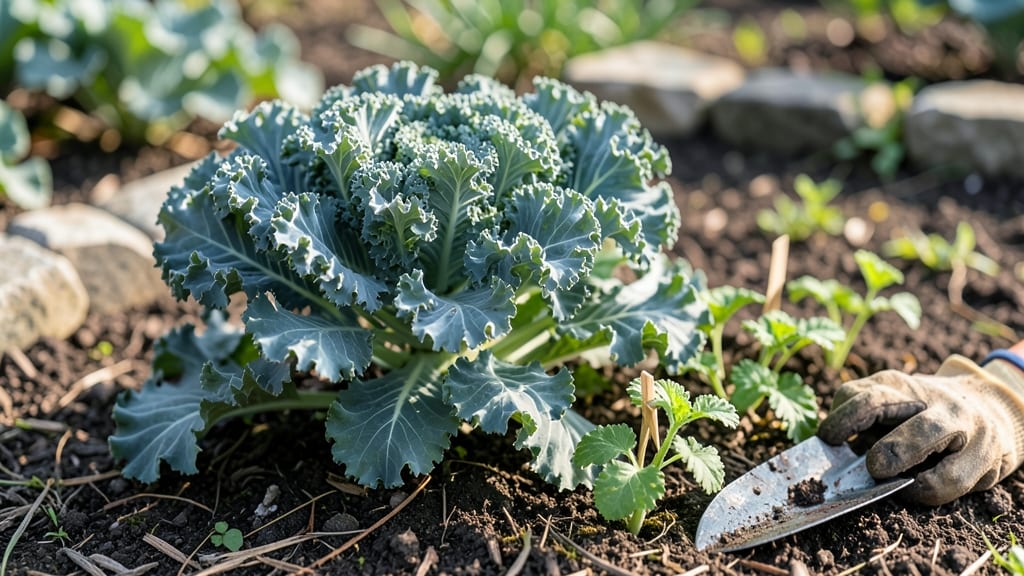
Planting brassicas in Wisconsin at the wrong time can turn your dream harvest into a bitter disappointment—especially when bolting ruins your broccoli or cabbage before it even matures. The key to success lies in knowing the exact weeks before your last frost that keep these frost-tolerant greens thriving without stress.
Wisconsin’s unpredictable spring weather makes timing everything. Whether you’re growing kale, Brussels sprouts, or cabbage, planting too early risks frost damage, while waiting too long can leave you scrambling for fall harvests.
I’ll break down the science-backed windows that work for your zone, so you can start seeds or transplants with confidence.
From northern Wisconsin’s shorter growing season to southern areas with warmer microclimates, the rules vary. You’ll discover how to adjust for late frosts, succession plant for continuous harvests, and even grow brassicas in containers when space is tight. Let’s get your garden on track for a bumper crop.
Ready to master the art of brassica timing? You’ll leave here knowing exactly when to plant—plus which varieties perform best in Wisconsin’s climate. No more guesswork, just a garden full of crisp, flavorful greens from summer through fall.
Exact weeks before last frost to plant brassicas in Wisconsin (by variety)
Wisconsin’s variable climate demands precision when planting brassicas. The average last frost date ranges from May 15 in southern Wisconsin to June 1 in the north.
Planting too early risks bolting from cold soil, while waiting too long cuts harvest time. Here’s the exact window for each variety to thrive.
For cold-hardy brassicas like kale and cabbage, start 4-6 weeks before last frost.
This means mid-April to early May in most of Wisconsin, giving seedlings time to establish before warmer weather triggers bolting. Broccoli and Brussels sprouts prefer slightly warmer soil, so wait until 3-4 weeks before last frost—typically late April to mid-May.
🌱 Brassica Planting Timeline for Wisconsin
| Variety | Weeks Before Last Frost | Wisconsin Planting Window | Key Notes |
|---|---|---|---|
| Cabbage | 4-6 weeks | Mid-April to early May | Tolerates light frost; use row covers for early starts |
| Broccoli | 3-4 weeks | Late April to mid-May | Wait for soil temps above 40°F to prevent bolting |
| Kale | 4-6 weeks | Mid-April to early May | Sweetens after light frost; great for fall harvest |
| Brussels Sprouts | 6-8 weeks | Early April to late April | Needs long growing season; plant early for fall harvest |
| Cauliflower | 4-5 weeks | Late April to early May | Requires consistent moisture to prevent curd splitting |
*Adjust timing 1-2 weeks later in northern Wisconsin (e.g., Duluth) or 1 week earlier in southern Wisconsin (e.g., Madison).
Northern Wisconsin gardeners should shift planting 1-2 weeks later due to colder soils. For example, in Duluth, aim for late April to early May instead of mid-April.
Southern Wisconsin’s warmer microclimates (like Milwaukee) allow earlier starts, but always monitor soil temperature—brassicas struggle in cold, wet soil.
Fall planting is equally critical. For a second harvest, sow Brussels sprouts and kale 8-10 weeks before first frost (typically mid-July to early August). These cold-hardy varieties sweeten after frost, making them perfect for Wisconsin’s short growing season.
Pro tip: Use seedling trays indoors 6-8 weeks before outdoor planting to extend your season. Transplant hardened-off seedlings 1-2 weeks after last frost for a head start. This method works especially well for slow-growing varieties like Brussels sprouts.
If you’re new to brassicas, start with cabbage or kale—they’re the most forgiving for Wisconsin’s unpredictable springs. These varieties tolerate light frost and give you a long harvest window from summer to fall. For bolting resistance, choose hybrid varieties like ‘Wisconsin Golden’ kale or ‘Blue Vantage’ broccoli.
Remember: Soil temperature matters more than air temperature. Use a soil thermometer to confirm 40°F+ before planting. Cold soil slows germination and invites damping-off disease. If your soil is still chilly, wait 1-2 weeks or use black plastic mulch to warm it faster.
For container gardeners, plant brassicas 2-3 weeks later than in-ground plants. Pots cool faster and dry out quicker, so extend the season with row covers and choose compact varieties like ‘Dwarf Blue Curled’ kale or ‘Calabrese’ broccoli.
Bolting is your worst enemy in Wisconsin’s climate. To prevent it, avoid planting when night temperatures exceed 70°F. If your seedlings look stretched or flower-bound, move them to a shadier spot or use shade cloth until cooler weather returns. This is especially critical for spring plantings in May.
How to adjust planting for Wisconsin’s unpredictable spring weather
Wisconsin’s spring weather can be as unpredictable as a March snowstorm followed by 70-degree warmth. These temperature swings make brassicas especially tricky—plant too early, and you risk cold damage or bolting from heat stress.
The key is flexibility: adjust your planting schedule based on soil temperature, not just calendar dates.
Start by monitoring soil thermometers—brassicas thrive when soil reaches 40°F for cabbage and 45°F for broccoli. In northern Wisconsin (Zones 3-4), wait until late April to early May for direct sowing, while southern Wisconsin (Zones 5-6) can plant 2-3 weeks earlier.
Use row covers to extend your window by 2-4 weeks if frost threatens.
If frost warnings appear after planting, protect seedlings with frost cloth or move pots indoors temporarily. Brassicas can survive 24°F but may bolt if stressed.
For succession planting, sow new batches every 2 weeks after your initial planting. This ensures a continuous harvest through fall. In containers, use heat-tolerant varieties like ‘Winterbor’ kale or ‘De Cicco’ broccoli—they handle warmer microclimates better than traditional types.
If spring stays unseasonably cold, try transplanting older seedlings (4-6 weeks old) instead of direct sowing. Nursery starts can tolerate cooler soil better than seeds. Just harden them off for 7-10 days before moving outdoors to avoid shock.
For southern Wisconsin gardeners, late May can still be risky—watch for heat waves that trigger bolting. Mulch heavily with straw or grass clippings to keep roots cool and moist. Shade cloth (30-50%) can also prevent flower stalk formation in hot spells.
Finally, keep a planting journal to track what works in your microclimate. Note when your last frost occurs each year—Wisconsin’s average last frost date ranges from May 10 (south) to May 25 (north), but your local conditions may vary by 1-2 weeks. Adjust next year’s schedule accordingly!