
Plants
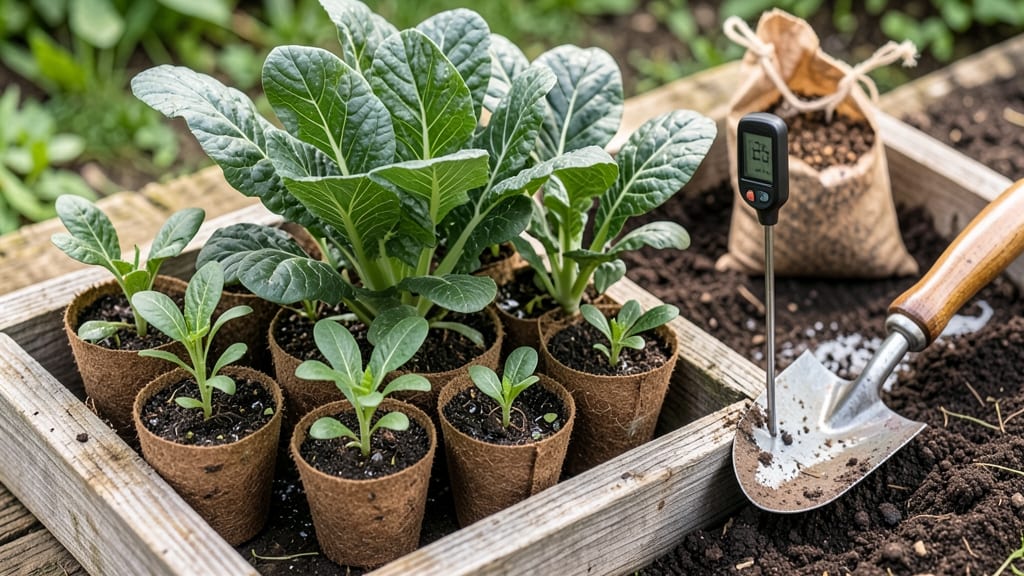
Planting collard greens in South Carolina at the wrong time means tough, bitter leaves instead of the tender harvest you crave. The key to sweet, flavorful 🥬 lies in understanding your local climate—whether you're in the humid coastal plains or the slightly drier Piedmont region.
Fall planting gives you the best shot at success, with ideal windows opening in late July through early September. But spring plantings can work too, if you time them right after your last frost date.
The difference between a thriving garden and one that bolts comes down to soil temperature, daylight hours, and knowing when to start seeds indoors.
I’ve grown collards in SC’s varying microclimates, and I’ll show you exactly how to match your planting schedule with your zone—whether you’re in 7b’s cooler mountains or 9a’s warmer coastal areas. With these timing tricks, you’ll avoid the most common mistakes that turn your greens woody and tough.
Ready to go from bitter disappointment to bountiful harvests? Let’s break down the perfect planting calendar for your South Carolina garden, so you can enjoy fresh collards from fall through winter—and maybe even squeeze in a spring crop too.
South Carolina’s best collard green planting windows: fall vs spring deadlines explained
Timing is everything when growing collard greens in South Carolina’s USDA Zones 7b-9a. The fall season (August-September) gives you the sweetest harvests, while spring plantings (February-April) carry more risk due to heat. Let’s break down the perfect windows to avoid bolting and maximize your yield.
For fall plantings, aim to sow seeds 4-6 weeks before your first frost—typically late July to early September. This gives your collards time to mature before cool temperatures trigger sweetness.
In spring, wait until late February to early April after the last frost date (usually mid-March) to avoid heat stress.
South Carolina’s humidity and heat can cause collards to bolt prematurely if planted too early in spring. Coastal areas (like Charleston) have milder winters, while the Upstate (Greenville) experiences earlier frosts. Adjust your timeline accordingly—coastal gardeners can push fall plantings slightly later.
🌱 Pro Tip: Use a soil thermometer to confirm soil temps are 50-85°F before planting. Collards thrive in cooler soil but won’t tolerate 90°F+ ground temps for long.
📅 SC Collard Green Planting Timeline
| Season | Planting Window | Key Deadlines | Harvest Window |
|---|---|---|---|
| Fall | Late July - Early September | 4-6 weeks before first frost (mid-Nov) | October - November |
| Spring | Late February - Early April | After last frost (mid-March) | May - June |
💡 Note: Coastal SC can extend fall plantings by 2-3 weeks due to milder temps.
If you’re in Zone 8a or 9a (like Beaufort or Hilton Head)), you can even try a winter crop by planting in October. These areas rarely see hard frosts, allowing for year-round harvests with proper row covers. Just monitor soil temps—collards slow down below 40°F.
For spring plantings, prioritize shade cloth or drip irrigation to protect seedlings from afternoon heat. Start seeds indoors 4-6 weeks before your target transplant date to give them a head start. Harden off seedlings for 7-10 days before moving them outdoors.
🌿 Warning: Avoid planting collards in June or July—the intense SC heat will cause them to bolt within weeks. Instead, use this time to prep garden beds with compost and mulch for fall plantings.
Once planted, maintain consistent moisture (1-1.5 inches per week) and fertile soil (pH 6.0-7.0). In fall, collards sweeten with light frosts, while spring harvests are best when temps stay below 80°F. Plan your schedule around these thresholds for the best flavor.
📌 Key Takeaway: Fall plantings (August-September) are your safest bet in SC, but spring (February-April) can work with careful timing and heat management. Always check your local frost dates and adjust accordingly!
South Carolina’s best collard green planting windows: fall vs spring deadlines explained
South Carolina’s humid subtropical climate creates two distinct planting windows for collard greens—fall and spring—but timing is everything to avoid bolting or stunted growth. The Piedmont region (USDA Zone 7b-8a) has slightly cooler nights than the coastal Lowcountry (Zone 8b-9a), so adjust dates accordingly.
For most of SC, fall planting (late July–early September) yields sweeter, more tender leaves before winter.
Your last frost date (mid-March) and first frost date (mid-November) are critical benchmarks. In Zone 8a and warmer, you can push fall planting into early October, while Zone 7b gardeners should aim for early September to harvest before frost.
Spring plantings (late February–early April) are riskier due to heat stress—collards bolt when soil temps exceed 80°F.
Here’s your SC-specific planting timeline to maximize harvests without bolting:
| Season | Planting Window | Soil Temp Goal | Harvest Window | Key Tip |
|---|---|---|---|---|
| Fall | Late July–Early Sept | 60–75°F | Oct–Nov | Plant 6–8 weeks before frost for mature leaves. |
| Spring | Late Feb–Early April | 50–65°F | May–June | Use black plastic mulch to warm soil faster. |
| Coastal Lowcountry | Aug–Sept (fall) OR March–April (spring) | 65–78°F | Sept–Nov (fall) OR May–July (spring) | Tolerates higher humidity—space plants wider. |
For Piedmont gardeners, prioritize fall plantings—spring collards often struggle with late-season heat. Start seeds indoors 4–6 weeks before your target outdoor date to give seedlings a head start.
If you’re in the Upstate (Zone 7b), consider row covers in early spring to protect young plants from late frosts.
Pro tip: Direct-sow seeds in late summer for fall collards—transplants shock easily in SC’s heat. Space seeds 12–18 inches apart in rows 24 inches wide to allow airflow and prevent disease. Coastal gardeners can stagger plantings every 2–3 weeks from August through September for a continuous harvest.
Watch for soil temperature cues: Use a soil thermometer to confirm temps are 50°F+ before planting spring collards. If your soil runs hotter than 80°F, opt for shade cloth (30–50%) during peak afternoon sun to delay bolting. Mulch heavily with straw to retain moisture and regulate temperatures.
Remember, collard greens thrive in cool weather—they’re one of the few vegetables that taste sweeter after frost. By following these SC-specific deadlines, you’ll enjoy tender, bolt-free leaves from fall through winter. 🥬