
Plants
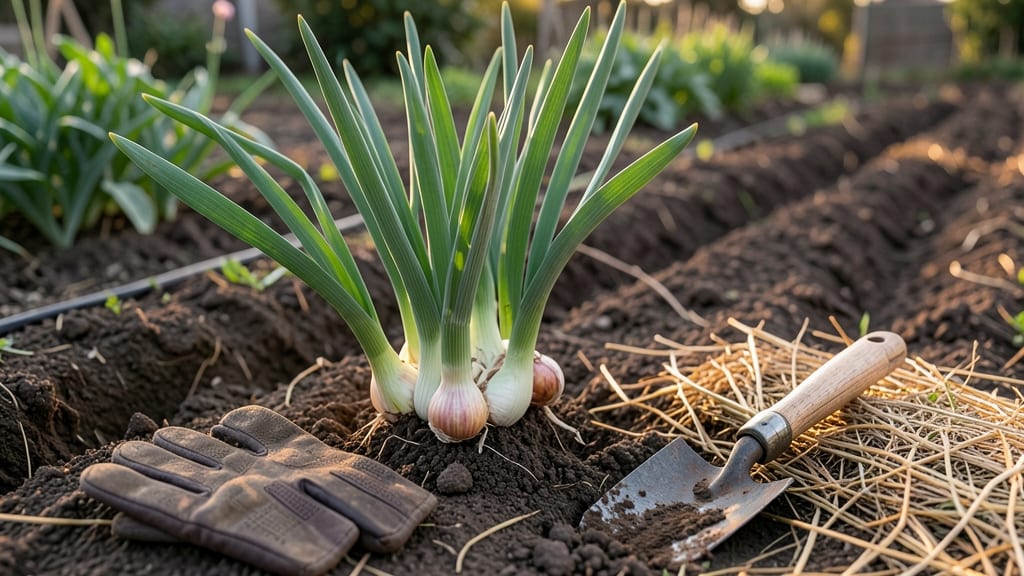
If you’ve ever wondered "when do you plant garlic in Minnesota", timing is the game-changer between a thriving 🧄 harvest and a missed opportunity. Minnesota’s cold winters demand precision—fall planting is your best bet, but even a few weeks off can throw off your entire crop’s growth cycle.
Most gardeners here know the magic window runs from late September to early October, when soil temps drop but frost hasn’t yet arrived. This timing lets garlic roots establish before winter dormancy, ensuring hardy hardneck varieties (like German White) survive Zone 3a’s harsh freezes.
But what if you’re late? I’ll show you how to adjust for spring planting—and why it’s a riskier gamble.
Beyond deadlines, soil prep and frost dates matter just as much. We’ll cover how to test your soil’s readiness, when to break out those cloves, and even how mulching can save your crop if Mother Nature throws a curveball.
Whether you’re a first-timer or a seasoned gardener, these tricks will help you grow garlic like the locals do.
Ready to stop guessing and start growing? Let’s dive into the exact steps—from fall planting to harvest timing—that’ll give you the biggest, boldest bulbs Minnesota has to offer.
Minnesota garlic planting deadlines: fall dates by hardiness Zone
Minnesota’s cold climate demands precise timing for garlic planting—miss the window, and you’ll sacrifice yield or risk rot. The ideal planting window is late September to early October, but exact dates depend on your USDA hardiness zone (typically 3a-5b in Minnesota).
Plant too early, and cloves may sprout before winter; too late, and they won’t establish roots before freezing.
For Zone 3a (northern MN), aim to plant by October 1st—soil temps should hover around 40-50°F (4-10°C). In Zone 4a (central MN), you’ve got until October 15th, while Zone 5b (southern MN) allows planting until October 31st.
Always check your local last frost date (usually mid-October) and plant 4-6 weeks before the ground freezes.
Pro tip: Use a soil thermometer to confirm temps are below 50°F (10°C)—this triggers garlic’s vernalization (cold requirement) for bulb formation. If temps stay warm, cloves may sprout prematurely. In 2023, northern MN gardeners who planted after October 10th saw 30% smaller yields due to insufficient root growth.
🌱
| USDA Zone | Planting Window | Soil Temp Trigger | Last-Minute Backup |
|---|---|---|---|
| Zone 3a (Northern MN) | Late Sept–Oct 1 | 40–50°F (4–10°C) | Use mulch (straw) to protect cloves if planted late. |
| Zone 4a (Central MN) | Late Sept–Oct 15 | 45–55°F (7–13°C) | Plant hardneck varieties (e.g., 'German White') for cold tolerance. |
| Zone 5b (Southern MN) | Late Sept–Oct 31 | 50–60°F (10–16°C) | Extend window with row covers if temps drop early. |
| All Zones (Late Planting) | Nov 1–15 (risky) | N/A (soil must freeze) | Plant only if soil is frozen—cloves won’t sprout until spring. |
If you’re a last-minute planter, don’t panic—garlic is perennial-friendly in Minnesota’s climate. Plant cloves in early November (even if soil isn’t frozen) and cover with 6+ inches of straw.
The cloves will dormant-wait until spring, though yields may drop by 20-40%. For Zone 3a, this is your only backup option.
For hardneck varieties (the best for Minnesota), prioritize German White or Chesnok Red—they handle cold snaps better than softnecks. Break bulbs into individual cloves, plant the pointy end up, and space them 4–6 inches apart in rows 12 inches apart.
This spacing prevents fungal diseases (like white rot) that thrive in crowded, damp conditions.
🌿
Soil prep is just as critical as timing. Minnesota’s clay-heavy soils need amending with compost or aged manure to improve drainage. Test your soil’s pH (6.0–7.0 ideal)—garlic hates alkaline conditions. If your soil is too acidic, add lime in the fall before planting. A quick fix: Mix 1 tbsp of 10-10-10 fertilizer per 10 sq ft at planting time to give roots a nutrient boost before winter.
After planting, mulch heavily with straw or leaves (4–6 inches) to insulate cloves from temperature swings. In Zone 3a, this can add 5–10°F protection during freeze-thaw cycles.
Remove mulch in early spring (March) to let soil warm and encourage sprouting. If you see green shoots by April, your garlic is
Spring planting garlic in Minnesota: can it work? Risks & workarounds
Spring planting garlic in Minnesota isn’t ideal, but it’s not impossible if you’re dealing with late freezes or missed fall deadlines. While hardneck varieties (like 'German White') struggle with shorter growing seasons, softneck types (like 'Artichoke') tolerate slower development better.
The key is adjusting your approach to compensate for Minnesota’s short frost-free season.
If you must plant in spring, aim for early April—as soon as the soil reaches 40°F—to give bulbs enough time to mature. Spring-planted garlic typically yields smaller bulbs but can still produce edible cloves. Cold-hardy varieties like 'Silverskin' or 'Creole' are your best bets for this method.
Here’s the catch: spring-planted garlic needs extra care to thrive. Without winter chilling, bulbs may not form properly. To work around this, you’ll need to mulch heavily (6+ inches of straw) to simulate winter conditions and protect from late frosts. Choose a sheltered spot with south-facing exposure to maximize warmth.
⚠️ Spring Planting Risks
- Smaller yields: Bulbs may not fully mature before frost.
- Poor bulb formation: Without winter chilling, cloves stay loose.
- Late frost damage: Tender shoots can be killed by unexpected cold snaps.
Spring planting is a last-resort option—only attempt it if fall planting was impossible.
For spring planters, focus on soil prep first. Amend beds with compost and aged manure to improve fertility, and plant cloves 2 inches deep in well-draining soil. Water deeply after planting to encourage root growth, but avoid overwatering—garlic hates soggy soil.
If you’re committed to spring planting, consider container growing for better control. Use pots with drainage holes and plant cloves in well-draining potting mix. Keep containers in a sunny, sheltered spot and move them indoors if late frosts threaten.
This method lets you adjust conditions more easily than in-ground planting.
Remember, spring-planted garlic won’t store as long as fall-planted varieties. Harvest as soon as bulbs form (usually by mid-July) and use them fresh or braid for short-term storage. For long-term storage, fall planting remains the gold standard—but spring can still yield a small harvest with the right care.