
Plants
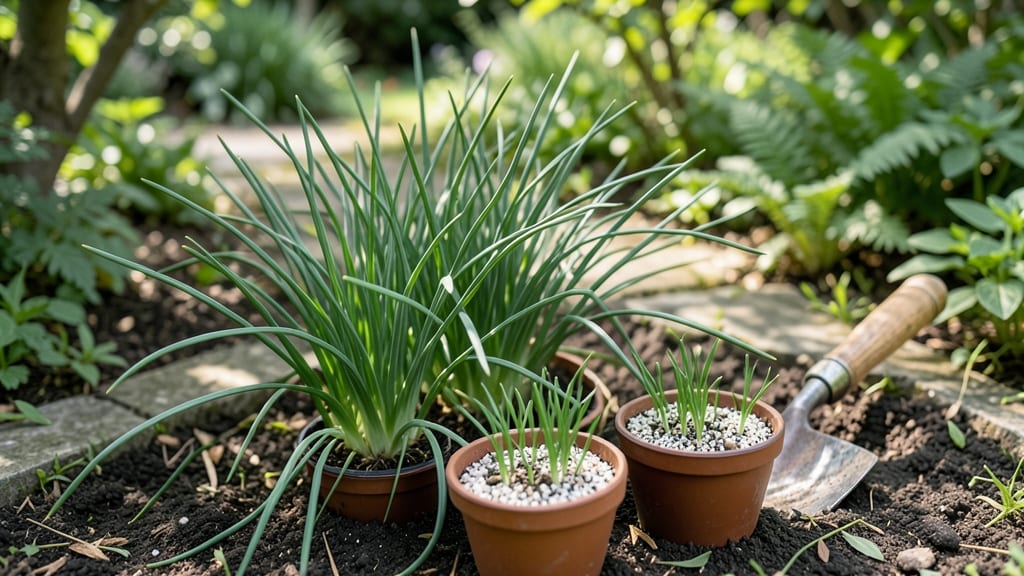
If you've ever planted chives in Zone 7 only to watch them bolt into flower before you could even harvest a single leaf, you're not alone.
The key to growing tender, leafy chives all season lies in understanding when to plant chives in Zone 7—and it's not as simple as just throwing seeds in the ground.
Zone 7 gardeners face a unique challenge: our mild winters and hot summers create a narrow window for perfect timing. Plant too early, and your chives might get leggy from winter chill.
Plant too late, and summer heat will send them shooting up into flower stalks faster than you can say "soup season."
I've spent years perfecting my chive-growing strategy here in Zone 7, and what I'm about to share will help you avoid those frustrating bolting problems.
We'll cover the ideal planting windows for both spring and fall, plus exactly what to do to keep your chives producing fresh leaves from May through November.
Ready to grow chives that stay tender and productive? Let's dive into the exact planting schedule and care tips that have worked for me—and will work for you—every single year in Zone 7.
Optimal planting windows for chives in Zone 7: spring vs fall breakdown
Chives thrive in Zone 7 when planted at the right time—either early spring or early fall. The key is avoiding extreme heat or frost, which can stress young plants.
For most of Zone 7 (like Raleigh, Charlotte, or Richmond), aim for 4-6 weeks before your last frost date (typically March 15-April 15) or September 1-October 15 for fall planting.
Spring planting gives you a summer harvest, while fall planting ensures early spring greens the next year. Both strategies work, but spring planting is riskier if late frosts hit.
I’ve found fall planting often yields more reliable results in my Zone 7b garden—the chives establish roots before winter and bolt later.
Here’s the breakdown of your best options, including soil temperature thresholds and frost risk factors:
| Planting Window | Ideal Months | Soil Temp (°F) | Frost Risk | Zone 7 Microclimate Notes |
|---|---|---|---|---|
| Early Spring | March–April | 45–55°F | Moderate (last frost: April 15) | Coastal areas (e.g., Norfolk) can plant 2 weeks earlier. |
| Late Spring | May | 60–70°F | Low (safe after May 1) | Higher elevation (e.g., Asheville) may wait until May 15. |
| Early Fall | September–October | 50–60°F | Low (first frost: Oct 15) | Best for late-season harvests before winter. |
| Late Fall | November | 40–50°F | High (risk of frost) | Avoid—plants may not establish before cold. |
For spring planting, I recommend starting seeds indoors 6-8 weeks before your last frost (around February 1) if you’re eager for early harvests. Harden them off and transplant after soil warms to 50°F.
In my experience, direct sowing in March works too, but seedlings may take longer to establish.
Fall planting is my top recommendation for Zone 7 gardeners. Plant chive seeds or transplants in early September to give them time to root before winter. They’ll survive mild winters and pop up early in spring, often bolting later than spring-planted chives.
Just avoid planting after October 1, or you risk frost damage.
Pro tip: Use row covers for early spring or late fall plantings to extend your window by 2-3 weeks. I’ve used them to push my spring harvests to April and fall harvests to November—just remove them during the day to prevent overheating.
Chives are perennial in Zone 7, meaning they’ll return year after year if cared for properly. But their first-year growth sets the stage for future harvests. Plant them in well-draining soil with full sun to partial shade, and you’ll enjoy zero-bolt chives for decades.
Optimal planting windows for chives in Zone 7: spring vs fall breakdown
Zone 7 gardeners know timing is everything when growing chives—plant too early, and you risk frost damage; too late, and your harvest gets cut short.
The ideal windows for chives in this zone are early spring (March-April) and early fall (September-October), but microclimates like Piedmont or Coastal areas tweak those dates slightly.
Spring planting should happen 4-6 weeks before your last frost date (typically March 15-April 15 in Zone 7). For fall, aim for September 1-October 15, giving plants time to establish before first frost hits around October 15. These windows maximize your harvest season while avoiding bolting.
| Season | Planting Window | Soil Temp | Frost Risk | Harvest Window |
|---|---|---|---|---|
| Spring | March 15-April 15 | 50-60°F | Low (post-frost) | May-July |
| Fall | September 1-October 15 | 60-70°F | Moderate (late Oct) | October-November |
For Coastal Zone 7 areas, extend spring planting to April 30 due to milder temperatures, while Piedmont regions should plant by April 1 to avoid late frosts. Always check your local last frost date—a quick search for "Zone 7 frost dates [your city]" gives precise timing.
Fall planting in Zone 7 works because chives are perennial herbs that establish roots quickly. By planting in September, you avoid summer heat stress while still getting a late-season harvest before winter. Just ensure soil stays 60-70°F for optimal root growth.
Pro tip: Use mulch after planting to regulate soil temperature. In spring, it prevents rapid warming that can trigger bolting, while in fall, it insulates roots from early frosts. Aim for 2-3 inches of straw mulch around your chives for best results.
Remember, chives planted in late May or August may not establish well before winter, leading to weak growth. Stick to the spring/fall windows for the most reliable harvests in Zone 7.