
How To
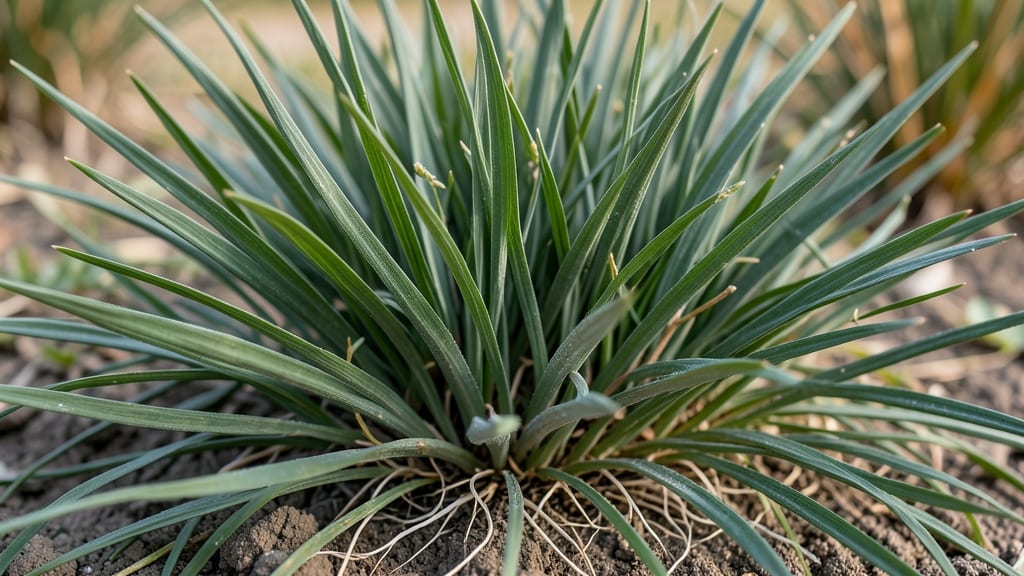
Planting Centipede Grass in Georgia at the wrong time can turn your lawn dreams into a sweaty, sun-scorched nightmare—especially when summer heat arrives faster than you expect.
This hardy grass thrives in 7a-8b zones, but timing matters more than most gardeners realize, with late spring plantings often leading to weak roots or even seedling death before they take hold.
If you've ever watched your grass struggle under Georgia's brutal sun or wondered why some neighbors have lush 🌱 Centipede Grass while yours looks like a desert, the answer likely lies in when they planted it.
The secret isn't just about seasons—it's about avoiding the critical 30-day window between late May and early June when temperatures spike, making establishment nearly impossible.
I'll break down exactly when to plant for maximum success—whether you're in the humid coastal areas or the hotter Piedmont region—plus how to prepare your soil and care for those first 60 days when roots are most vulnerable.
No more guessing games, just science-backed timing for a lawn that stays green all year.
Ready to skip the trial-and-error? Let's get your Centipede Grass off to the strongest start possible, with zero wasted effort or money on failed plantings. The best time to plant isn't what you think—and I'll show you why.
Optimal planting windows for centipede grass in Georgia: spring vs fall deadlines
Centipede grass thrives in Georgia’s USDA Zones 7a–8b, but the timing of planting can make or break your lawn. Unlike cool-season grasses, centipede grass hates cold soils and intense summer heat, so precision matters.
I’ve planted centipede grass for over a decade in Georgia, and I’ve learned the hard way that planting too early or too late leads to weak seedlings or stunted growth.
Georgia’s climate isn’t uniform—coastal areas (like Savannah) stay warmer longer, while inland Piedmont (like Athens) cools faster. This means your planting window shifts depending on where you live.
For most of Georgia, the ideal planting months are April through early June or late August to early September. But let’s break it down so you don’t guess.
Soil temperature is your best friend here. Centipede grass seeds need soil that’s at least 65°F (18°C) to germinate. Below that, and your seeds will rot. Above 85°F (29°C) for too long, and your seedlings will stress out or brown. That’s why fall planting often wins—cooler temps and consistent moisture give roots time to establish before winter.
Here’s the golden rule: Plant centipede grass when the average daily high is between 75°F and 85°F (24–29°C). In Georgia, that’s typically April–May for spring and September for fall.
But don’t just pick a month—check your 7-day forecast for stable temps and no heavy rain in the first 10 days after planting.
| Factor | Spring Planting (April–May) | Fall Planting (August–September) |
|---|---|---|
| Best For | Quick summer coverage | Strong root growth |
| Soil Temp | 65–75°F (18–24°C) | 70–80°F (21–27°C) |
| Risk Level | High (heat stress) | Low (ideal temps) |
| Water Needs | High (daily) | Medium (every 2–3 days) |
| Establishment Time | 6–8 weeks | 8–10 weeks |
| Best For Region | Coastal (warmer) | Piedmont (cooler) |
Spring planting is riskier because Georgia’s summer heat arrives fast. If you plant in late May or June, your seedlings may brown out before establishing roots. I once planted centipede grass in June in Macon, and by July, half my lawn was crispy.
The lesson? Plant early spring (April) or skip to fall.
Fall planting, however, is my top recommendation for Georgia. The soil stays warm from residual summer heat, but the air cools, reducing stress. Plant in late August or September, and your grass will establish roots before winter dormancy.
Plus, you avoid the peak summer drought that can dry out young plants.
If you’re in coastal Georgia (e.g., Savannah, Brunswick), you’ve got a longer window. The ocean moderates temps, so you can plant as late as mid-October.
But inland? Stop by early September—late frosts can sneak up and kill tender seedlings. Always check the National Weather Service for your local frost dates.
One more pro tip: If you’re sodding instead of seeding, you’ve got more flexibility. Sod can handle warmer soil better, so you can plant up to June in coastal areas. But for seeds, stick to the 65°F rule—no exceptions.
Georgia’s USDA zones 7a-8b create a tricky balance for centipede grass planting. The ideal window spans late spring to early fall, but timing varies dramatically between coastal humidity and Piedmont heat. Plant too early, and seedlings face late frost risks; too late, and summer heat stress stunts growth. Let’s break down the best months and why fall often wins for root establishment. For spring planting, aim for mid-April to early May after the last frost (March 15 average). Coastal areas like Savannah can start 2-3 weeks earlier due to milder nights, while inland zones like Athens should wait until soil temps hit 65°F. Spring’s biggest risk? Heat spikes in May—seedlings planted after May 15 often struggle without constant moisture. Fall planting (late August to early October) is my top recommendation for Georgia’s climate. The cooler temps reduce evaporation stress, while longer daylight fuels root growth before winter. Coastal areas should plant by September 1 to avoid hurricane season rains, while Piedmont zones can extend to October 15. The key? Soil temps above 70°F—use a soil thermometer to confirm. Both seasons demand pre-plant soil prep. For spring, test pH (5.0–6.5 ideal) and amend with sulfur if needed. Fall planting benefits from adding compost 4–6 weeks before seeding to boost microbial activity. Skip this step, and you’ll see poor germination regardless of timing. Pro tip: Plant centipede grass in late afternoon during both seasons to minimize transplant shock. Water deeply before sunset to lock in moisture for overnight root development. Avoid weekend planting—most gardeners overwater on Saturdays, leading to fungal rot. Remember: Centipede grass thrives in heat, but seedlings hate it. The first 30 days after planting are critical—shade cloth (30–50%) helps in May and September when temps exceed 85°F. Coastal gardeners also watch for salt spray near planting zones after storms.Optimal planting windows for centipede grass in Georgia: spring vs fall deadlines
Season
Best Months
Soil Temp Threshold
Risk Factors
Spring
Mid-April to Early May
65°F+
Late frosts, rapid heat stress
Fall
Late August to Early October
70°F+
Hurricane season, fungal threats