
Plants
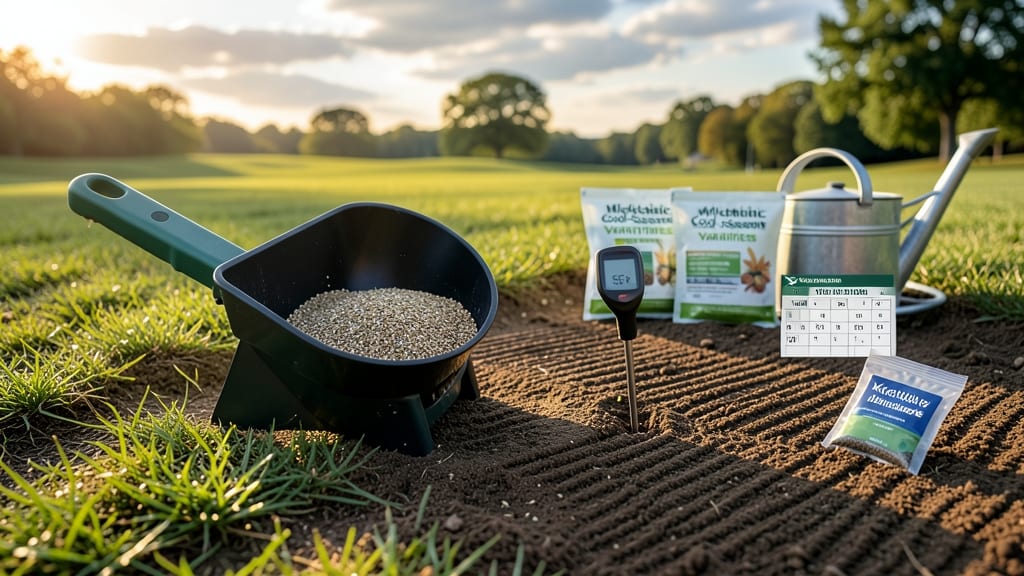
Knowing when is it too late to plant grass seed in Michigan could mean the difference between a lush lawn and a patchy, weed-infested mess. Michigan’s 5b-6b climate throws curveballs with unpredictable frost dates, and planting too late can leave your 🌱 vulnerable to winter kill or outcompeted by weeds.
Most gardeners assume late August is the cutoff, but the truth is more nuanced—especially when comparing northern Michigan’s shorter growing season to southern regions. The ideal window actually stretches into early September, provided soil temps stay above 50°F and frost isn’t lurking.
But push it too far, and you’re risking seedling stress or wasted effort.
In this guide, I’ll break down the exact last dates by region, including soil temperature thresholds and frost risk factors. You’ll learn how to extend your planting window with smart prep, spot the warning signs of a doomed project, and even salvage a late start with overseeding strategies.
Whether you’re in the Upper Peninsula or metro Detroit, these insights will help you avoid costly mistakes and get that green lawn you’ve been dreaming of—without the guesswork.
Michigan’s last safe grass-seeding dates by region (2024 guide)
Michigan’s climate varies dramatically from the Upper Peninsula to Southern Michigan, making the last safe dates for grass seeding a moving target. Cool-season grasses like tall fescue and Kentucky bluegrass thrive when planted 4-6 weeks before the first frost, but pushing too late risks winter kill or patchy germination.
Let’s break down the exact windows for each region.
For Northern Michigan (including the UP), the first frost typically arrives by mid-October, leaving you just until early September for ideal planting. Southern regions like Metro Detroit and Southwest Michigan can push planting until late September or even early October, thanks to slightly warmer microclimates.
Always check soil temperatures—they must stay above 50°F (10°C) for 7-10 days post-planting.
🌱
| Region | Last Safe Planting Date | Soil Temp Threshold | Frost Risk | Grass Type |
|---|---|---|---|---|
| Upper Peninsula | Early September | 50°F (10°C) | High (Oct 15) | Tall fescue, fine fescue |
| Northern Lower Michigan | Mid-September | 50°F (10°C) | Moderate (Oct 1) | Kentucky bluegrass, ryegrass |
| Metro Detroit | Late September | 50°F (10°C) | Low (Oct 10) | Perennial ryegrass |
| Southern Michigan | Early October | 50°F (10°C) | Very Low (Oct 20) | Bermuda grass (warm-season) |
If you’re in Southern Michigan, you can sometimes squeeze in a warm-season grass like Bermuda or Zoysia until early October, but these varieties require warmer soil (60°F+) and struggle with early frosts.
For cool-season grasses, late September is the absolute cutoff in most areas—after that, seedlings won’t have enough time to establish roots before winter dormancy.
One critical factor often overlooked is soil temperature. Even if the air feels warm, cold nights can drop soil temps below 50°F (10°C), stalling germination. Use a soil thermometer to verify—plant only when temps stay consistently above this threshold for at least a week.
Pro tip: Morning soil temps are the most reliable indicator for fall planting.
For overseeding existing lawns, you can push dates slightly later (up to mid-October in Southern Michigan), but avoid planting after Halloween unless you’re using winter ryegrass, which tolerates cooler soils. Always test your lawn’s pH and fertility first—poor soil conditions will sabotage even the best timing.
🌿
Regional microclimates also play a role. Urban areas like Detroit or Grand Rapids may experience heat islands, delaying frost by 1-2 weeks compared to rural zones.
Check local USDA Plant Hardiness Zone maps (Michigan ranges from 4b to 6b) and supplement with frost forecast tools like the National Weather Service or Old Farmer’s Almanac.
If you’re on the fence about timing, consider starter fertilizer and mulching to give late-season seedlings a fighting chance. However, if frost hits before seedlings reach 2-3 inches tall, they’ll likely die back—leaving you with a wasted seed investment and a patchy lawn next spring.
✂️
How to extend your grass-seeding window with fall prep tips
If you’ve missed Michigan’s ideal late August to early September window for grass seeding, don’t panic—proper fall prep can push your planting 2-3 weeks later while still ensuring strong germination. The key is optimizing soil conditions and protecting seedlings from early frosts.
Start by aerating your lawn 2 weeks before seeding to loosen compacted soil. This improves seed-to-soil contact and helps roots establish faster in cooler temperatures. Use a core aerator for best results, especially if your lawn has heavy foot traffic or clay soil.
For northern Michigan, where frosts arrive earlier, consider overseeding instead of full lawn replacement. Spread seed over existing grass in early September to fill thin spots before winter dormancy. Use a starter fertilizer with high phosphorus to boost root growth.
Monitor your lawn closely after planting. If seedlings appear yellow or stunted, they may be struggling with fungal issues from overwatering or nutrient deficiency.
Adjust watering immediately and apply a fungicide if needed. Most cool-season grasses will go dormant in winter but resume growth in spring if properly established.
Remember: The earlier you plant, the more time grass has to develop deep roots before winter. But with these strategies, you can safely extend your window until mid-October in southern Michigan or early October in northern areas, giving your lawn a strong start for next year.