
Plants
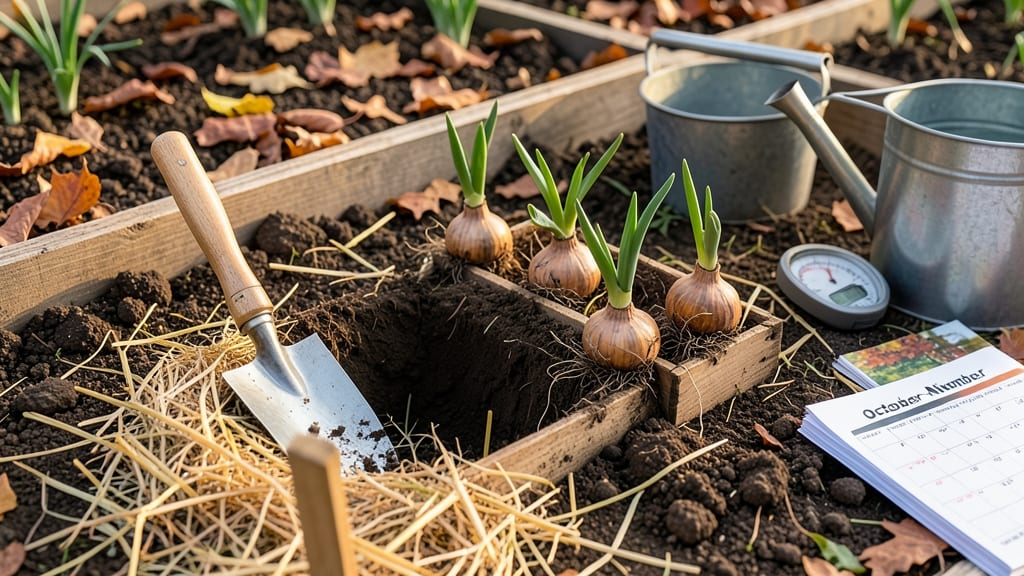
Planting your spring flowering bulbs 🌷 at the wrong time in South Carolina could mean the difference between a showstopping garden and a sad, wilted investment. The key isn’t just about waiting for fall—it’s about matching your bulbs to the chill hours your zone actually delivers.
Here’s the truth: Too early, and those bulbs will rot in the damp soil; too late, and they’ll miss the winter chill they need to bloom.
With South Carolina’s humid climate and varying frost dates, getting the timing right feels like solving a puzzle—but I’ve cracked the code for perfect blooms every spring.
Whether you’re planting daffodils in Charleston’s coastal warmth or tulips in the Piedmont’s cooler air, this guide gives you the exact window to dig in. We’ll cover soil prep, microclimate tweaks, and even how to handle those unpredictable SC winters when the chill just won’t come.
Ready to transform your garden into a year-round floral masterpiece? Let’s get those bulbs in the ground at the ideal moment—no guesswork, just science-backed success.
South Carolina’s chill-hour zones: how to match bulbs to your climate
South Carolina’s mild winters and humid summers create unique challenges for bulb planting. Unlike colder climates, our chill-hour requirements (32°F–45°F) vary dramatically between coastal regions (Zone 8a) and Piedmont uplands (Zone 7b).
For example, tulips need 1,200+ chill hours, while daffodils thrive with just 400–600 hours. Without proper matching, bulbs either fail to bloom or rot in soggy soil.
Clemson University Extension confirms that Zone 7b (Upstate) gets 600–800 chill hours, while Zone 8a (Coastal) often falls short of 1,000 hours. This means tulips and hyacinths may need pre-chilling in colder microclimates, while crocuses and snowdrops adapt better to milder winters.
Always check your last frost date (typically November 15 inland, December 1 coastally) to time planting correctly.
Here’s how to decode your local chill hours and select bulbs that will reliably bloom in your yard. The key is balancing soil prep, planting depth, and drainage—especially in heavy clay soils common across SC.
South Carolina Chill-Hour Zones & Best Bulbs
| Zone | Chill Hours | Best Bulbs | Notes |
|---|---|---|---|
| 7b (Upstate) | 600–800 | Daffodils, Hyacinths, Tulips, Alliums | Plant October–November for full bloom. |
| 8a (Coastal) | 400–600 | Crocuses, Snowdrops, Grape Hyacinths, Miniature Iris | Use pre-chilled bulbs or plant January–February. |
| 7b–8a (Piedmont) | 800–1,000 | Tulips, Narcissus, Fritillaria, Camassia | Add 3–4 inches of mulch after planting. |
| Microclimates (e.g., North Face) | 1,000+ | Dutch Hyacinths, Large Tulips, Darwin Tulips | Plant September–October for extra chill. |
🌱 Pro Tip: Use a chill-hour calculator (like Clemson’s) to fine-tune your planting schedule.
For Zone 7b gardeners, focus on early fall planting (September–October) to ensure bulbs get enough winter chill before soil temperatures drop.
In Zone 8a, opt for late winter planting (January–February) or use pre-chilled bulbs from nurseries. Microclimates—like north-facing slopes or shaded beds—can add 200–400 extra chill hours, making them ideal for tulips and hyacinths in otherwise marginal zones.
Soil temperature is just as critical as air temperature. Plant when soil is 60°F–65°F (ideal for root establishment) and cover with 3–4 inches of mulch (straw or pine needles) to insulate bulbs from freeze-thaw cycles.
In coastal areas, where winters are milder and wetter, prioritize raised beds or sandy loam to prevent bulb rot from prolonged moisture.
One common mistake is assuming all bulbs follow the same timeline. For instance, crocuses and snowdrops can handle Zone 8a’s mild winters but may bloom earlier and sparser than in colder zones.
Meanwhile, tulips planted too late (after November 15) often fail to vernalize (a process requiring cold exposure) and produce weak or no blooms the following spring.
Use this chill-hour guide to select bulbs that align with your local climate. For example, if you’re in Charleston (Zone 8a), skip Dar
Best bulbs to plant by month in South Carolina (fall/winter schedule)
South Carolina’s mild winters and humid climate create a unique planting window for bulbs. Unlike northern states, we can plant fall bulbs as late as November in most regions, while late-winter planting (January–early March) works for hardier varieties. The key? Matching your bulb’s chill-hour needs to your local frost dates.
For coastal SC (Zones 8a-8b), where winters are shorter, focus on low-chill bulbs like daffodils and crocuses. Inland areas (Zones 7b-8a) can handle tulips and hyacinths with proper timing.
Always plant 6-8 weeks before ground freeze—typically mid-October to November—or in late winter after frost risk passes.
📅 August: Only summer-blooming bulbs like rain lilies or canna lilies go in now. Most spring bloomers wait for cooler soil.
📅 September–October: The prime window for spring-flowering bulbs. Plant daffodils, tulips, and hyacinths in well-draining soil at 2-3x bulb depth. Coastal gardeners should finish by October 15; inland areas can extend to November 1.
📅 November–December: Late fall is for hardy bulbs like snowdrops or winter aconites. Avoid planting tender bulbs (e.g., tulips) after November 15—they may rot before winter chill sets in.
📅 January–Early March: A second chance for late-winter planting (e.g., paperwhite narcissus or crocuses). Choose smaller bulbs and plant in protected spots to avoid frost damage.
Pro tip: Use a bulb thermometer to track soil temps—aim for 40–50°F for optimal root growth. In Zone 8b, where winters are mild, consider pre-chilling bulbs in a fridge for 6–8 weeks before planting to mimic winter chill.
Remember, South Carolina’s unpredictability means flexibility is key. If an early freeze hits, cover bulbs with straw until spring. With the right timing, your garden will burst into color from February to May—no matter where you live in the state! 🌷