
Plants
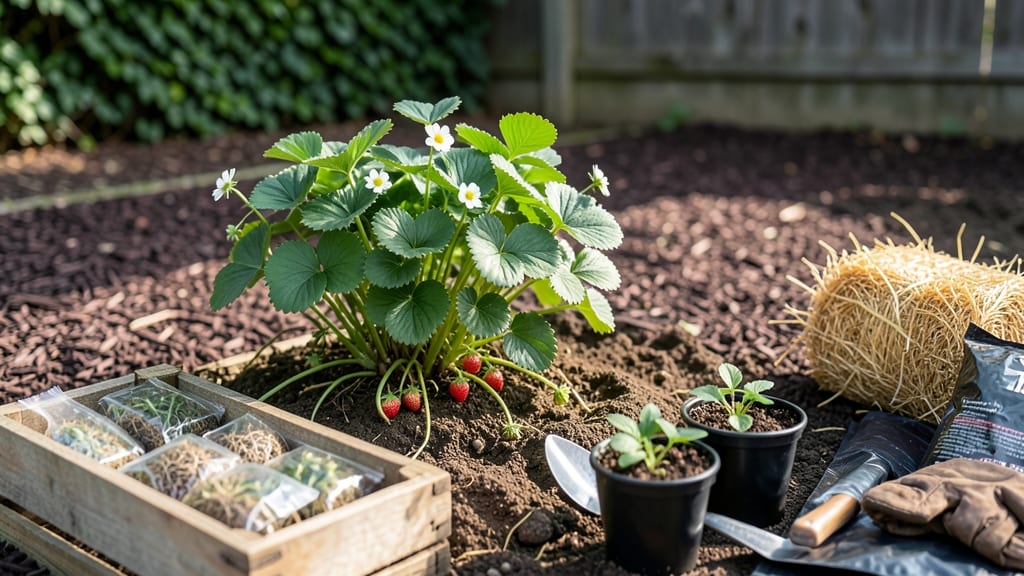
If you're dreaming of a backyard bursting with juicy 🍓 strawberries, timing your Tennessee planting is the key to success—or failure. The Volunteer State's diverse climate means planting too early or late can leave you with bitter fruit, stunted growth, or worse, no harvest at all.
Most Tennessee gardeners assume spring is the only time to plant, but fall planting actually gives strawberries a head start in cooler zones like East Tennessee (USDA Zones 6-7). Meanwhile, West Tennessee's warmer winters (Zone 8) demand a different approach entirely.
I'll break down the exact windows for both bare-root and potted plants, so you can match your variety to your microclimate.
What you'll discover is that strawberries thrive when planted during their chill-hour requirements—a concept most gardeners overlook. June-bearing types need 500+ chill hours, while everbearing varieties adapt better to Tennessee's milder winters. Let's get your strawberries in the ground at the perfect moment for maximum yield.
Whether you're a first-time gardener or a seasoned pro, these region-specific tips will help you avoid common mistakes like planting too soon or skipping soil prep. By the end, you'll know exactly when to plant for sweet, abundant berries all season long.
Tennessee strawberry planting zones: matching chill hours for best yield
Tennessee’s diverse climate—from the Appalachian Mountains to the Mississippi River Valley—means strawberry planting success depends on chill hours, not just calendar dates. Most strawberry varieties need 200–1,000 chill hours (temperatures between 32°F and 45°F) to flower and fruit properly.
In Tennessee, this translates to USDA Zones 5–8, where timing varies by region.
For example, East Tennessee (Zone 6-7) gets enough chill hours by late winter, while Middle and West Tennessee (Zone 7-8) often need everbearing varieties that tolerate fewer chill hours. June-bearing types, like Chandler or Jewel, thrive in cooler zones, while Albionel or Seascape work better in warmer areas.
Here’s how to match your zone to the right planting window:
| Zone | Chill Hours | Best Varieties | Planting Window | Key Tip |
|---|---|---|---|---|
| 5-6 (East TN) | 800–1,000+ | Chandler, Jewel, Seneca | Late February–March (bare-root) or September–October (potted) | Soil temps must stay above 40°F. |
| 7 (Middle TN) | 500–800 | Albionel, Seascape, Ozark Beauty | Late March–April (bare-root) or September (potted) | Avoid early spring frost risks. |
| 8 (West TN) | 200–500 | Fort Laramie, Tristar, Camarosa | October–November (fall) or March (spring) | Use mulch to protect roots. |
If you’re unsure about your chill hours, check your local Cooperative Extension Service or use a chill-hour calculator (like the one from Purdue University). For example, Nashville (Zone 7a) typically hits 500 chill hours by early March, while Chattanooga (Zone 7b) may need to wait until mid-March.
Another critical factor is whether you’re planting bare-root or potted strawberries. Bare-root plants need soil temps above 40°F and should go in 4–6 weeks before your last frost date.
Potted plants, however, can handle warmer soil and are often planted 2–3 weeks earlier in spring or 6–8 weeks before first frost in fall.
For June-bearing varieties, timing is everything—plant too early, and frost will kill young plants; too late, and you’ll miss the optimal flowering window. Everbearing varieties, like Seascape, are more forgiving but still need at least 200 chill hours to produce well.
Pro tip: In Zone 8 (West TN), where winters are milder, focus on fall planting (October–November) to take advantage of cooler temps and spring harvests. Use black plastic mulch to warm soil faster in spring if needed.
Finally, don’t overlook microclimates. A south-facing slope in East Tennessee might warm up 2–3 weeks earlier than a valley, while urban areas can trap heat, delaying frost. Adjust your planting date accordingly!
Step-by-step planting timeline for Tennessee’s spring vs. fall seasons
Tennessee’s spring and fall planting windows differ dramatically by region. In East Tennessee (USDA Zones 6-7), where winters are colder, you’ll plant bare-root strawberries as early as late February to early March for spring harvests.
Meanwhile, Middle and West Tennessee (Zones 7-8) can start planting potted strawberries in late March to early April to avoid early spring frost. The key is matching your variety’s chill-hour needs to your local climate.
For fall planting, aim for late summer to early fall—typically August to early September in East Tennessee and September to mid-October in warmer zones. Fall-planted strawberries establish roots before winter and produce larger yields the following spring.
Just ensure they have 4-6 weeks to root before the first frost, which usually hits mid-November in East Tennessee and late November in West Tennessee.
Test soil pH (ideal: 5.8-6.5) and amend with compost or aged manure. Strawberries thrive in well-draining, slightly acidic soil.
Plant bare-root varieties in East TN or potted plants in West TN. Space 12-18 inches apart in rows 3 feet apart for airflow.
Apply 2-3 inches of straw mulch to retain moisture, suppress weeds, and protect roots from temperature swings. Avoid plastic mulch, which can overheat soil.
Water deeply 2-3 times per week to encourage root growth. Avoid overhead watering to prevent disease like gray mold.
Choose everbearing varieties for fall harvests. Plant 6-8 weeks before first frost to allow root establishment.
Fertilize with 5-10-10 in early spring and mid-summer. Remove old leaves after harvest to redirect energy to new growth.
In East Tennessee’s cooler microclimates, like the Great Smoky Mountains, extend your spring window by 2-3 weeks compared to Nashville or Memphis. Use row covers in early spring to protect young plants from late frosts, which can occur as late as mid-April in higher elevations.
For container gardening, plant potted strawberries in late March and move containers to a sunny patio if frost threatens.
Pro tip: If you’re in Zone 7 or warmer, prioritize day-neutral varieties like ‘Albion’ or ‘Seascape’, which produce fruit continuously throughout the season. These varieties are more forgiving of warmer winters and shorter chill periods common in West Tennessee.
Remember, strawberries are perennial in Tennessee’s climate, meaning they’ll return year after year if cared for properly. With the right planting timeline and seasonal adjustments, you’ll enjoy sweeter, larger berries with minimal effort. Just avoid the common mistakes we’ll cover next—like planting too early or ignoring soil prep!
🌱