
Plants
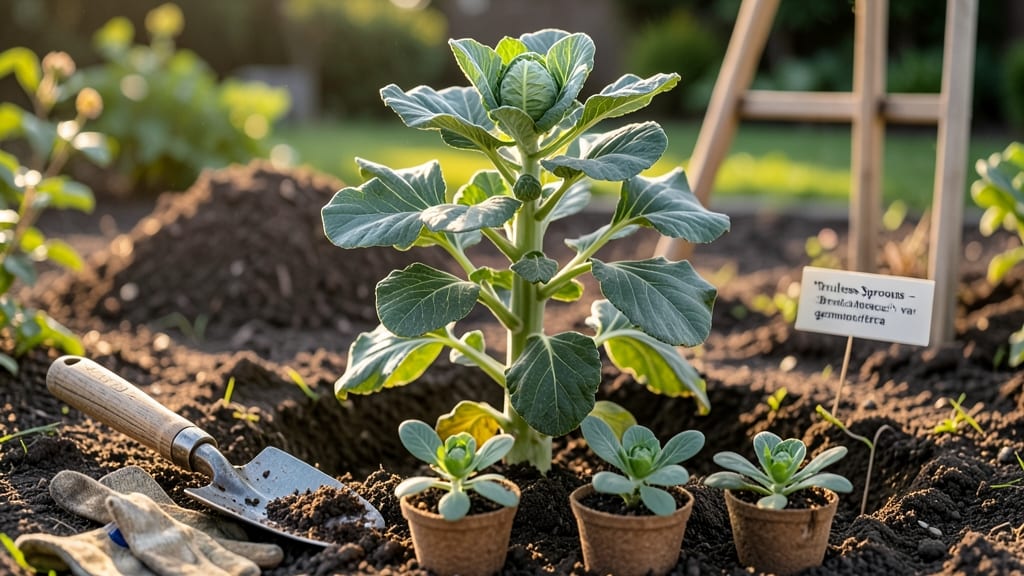
Timing your Brussel sprouts 🥬 planting in Zone 8 can make or break your harvest—get it wrong, and you'll end up with bitter, stunted plants instead of the sweet, flavorful gems you crave.
Here's the secret: these cool-weather lovers need 80-120 days of frost-free growing time, which means planting too early risks bolting in summer heat, while starting too late leaves them vulnerable to winter frosts.
I'll show you exactly when to plant for perfect timing—whether you're direct-sowing in late summer or transplanting in early fall.
Zone 8's microclimates add another layer of complexity, with coastal areas staying milder longer than inland spots. We'll cover how to adjust your planting schedule based on your specific location, plus pro tips to extend your growing season if needed.
Ready to grow Brussel sprouts that taste like they came from a farm stand? Let's dive into the frost-date tricks that'll give you a bountiful harvest from November through January.
Optimal planting windows for brussel sprouts in Zone 8
Brussel sprouts love cool weather, but Zone 8’s hot summers and mild winters demand precise timing. Plant too early, and they’ll bolt from summer heat; too late, and they won’t mature before frost.
The sweet spot? Late summer to early fall, when soil temps drop below 70°F and days grow shorter.
For Zone 8, aim to transplant 6–8 weeks before your first frost (typically mid-September to early October). If you’re direct-sowing, start seeds 4–6 weeks before frost (around late July to early August). Coastal areas may push this 1–2 weeks later due to milder microclimates.
Here’s the golden window broken down by method:
Pro tip: Use a soil thermometer to confirm temps. Brussel sprouts stunt below 50°F or bolt above 80°F. If your soil runs hot, opt for shade cloth (30–50%) during peak afternoon sun.
For coastal Zone 8 (e.g., Southern California), extend your window 2–3 weeks later—frost is rare until December. Inland areas (e.g., Arizona deserts) should plant earlier to avoid 100°F+ heat.
Always harden off seedlings for 7–10 days before transplanting. Acclimate them to Zone 8’s dry heat by gradually reducing shade and increasing sun exposure. Skip this step, and your plants may wilt or shock in the garden.
Need a second harvest? Try a spring planting in January for a May–June crop, but be prepared for bolting risks as days lengthen. Use row covers to shield from unexpected late frosts.
Remember: Frost sweetens flavor, but a hard freeze (below 25°F) will kill plants. Time your harvest for first light frosts—typically November–January in Zone 8.
Optimal planting windows for brussel sprouts in Zone 8
In Zone 8, brussel sprouts demand precise timing to avoid summer's heat and late-season frost. Your best planting windows are late summer (August) and early fall (September), when soil temperatures hover between 50–70°F. This ensures plants mature before winter frosts arrive around mid-December.
For direct sowing, aim for 4–6 weeks before your first frost (typically late August). If starting indoors, begin seeds 8–10 weeks before transplanting (around mid-July). Coastal areas may extend windows slightly due to milder microclimates.
| Planting Method | Optimal Window | Soil Temp | Notes |
|---|---|---|---|
| Direct Sowing | Late August–Early September | 50–70°F | Best for fast-maturing varieties |
| Transplanting | Mid-July–Late August | 55–65°F | Start seeds indoors 8–10 weeks prior |
| Late-Season | Early September | 60–70°F | Use shade cloth to prevent bolting |
Adjust timing for inland vs. coastal zones: inland areas should plant 2 weeks earlier to escape summer heat, while coastal regions can extend planting into early October with frost protection. Always monitor soil temperatures—brussel sprouts won't germinate well above 70°F.
For fast-maturing varieties like 'Long Island Improved' (80 days), late August planting works well. Slower varieties (e.g., 'Ruby Ball', 120 days) need an early September start to avoid winter frost. Test your soil's pH (6.0–7.5) before planting—brussel sprouts thrive in slightly acidic to neutral soil.
Pro tip: Plant a second crop in early September for a winter harvest. Use black plastic mulch to warm soil in spring or straw mulch to retain moisture in fall. Avoid planting near summer solstice (June 21)—the long days trigger bolting (premature flowering).
If your first frost arrives early, opt for cold-hardy varieties like 'Jade Cross' or 'Corvette' and harvest before hard freezes. A light frost (28–32°F) actually sweetens the flavor, but temperatures below 20°F will damage plants.