
Plants
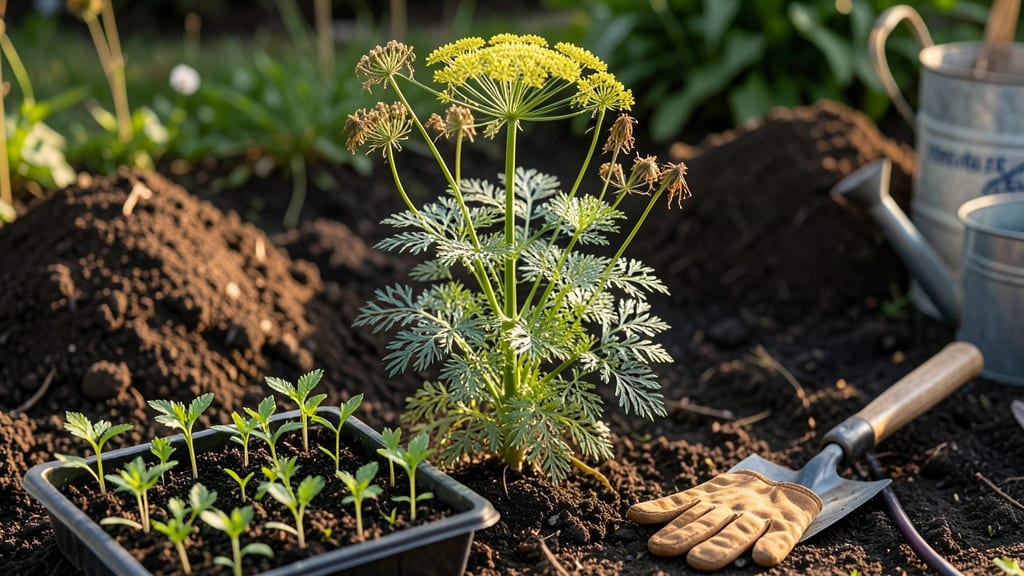
Knowing when to plant dill in Southern California can mean the difference between fresh, fragrant herbs and bitter, bolted disappointment. This versatile 🌿 thrives in SoCal’s mild climate—but timing matters, especially when coastal Santa Barbara and inland Palm Springs can feel like two different worlds.
If you’ve ever rushed to plant dill only to watch it flower too soon, you’re not alone. The key is understanding how microclimates affect growth, from frost-free winters to scorching summers.
I’ll break down the best months to sow seeds, whether you’re in a cooler coastal zone or a hotter inland area.
You’ll also discover how to stretch your harvest season, avoid common pitfalls like bolting, and even grow dill year-round with simple strategies. Whether you’re a seasoned gardener or just starting, these tips will help you grow the freshest dill for your kitchen—without the guesswork.
Ready to transform your garden into a dill powerhouse? Let’s dive into the perfect planting schedule tailored just for Southern California’s unique climate.
Optimal planting times for dill in Southern California’s coastal vs inland zones
Southern California’s diverse microclimates mean coastal areas like Malibu and inland zones like Riverside have wildly different dill-growing seasons. Coastal regions (USDA Zones 10-11) enjoy mild winters and cool summers, while inland areas (Zones 8-9) face hotter summers and cooler nights.
These differences directly impact when you should plant dill for the best flavor and yield.
For coastal gardeners, the ideal window stretches from late winter through early spring (February–April) and again in fall (September–October). Inland growers should focus on early spring (March) and fall (August–September) to avoid the brutal summer heat that triggers premature bolting.
The key is planting when daytime temps stay below 75°F—dill’s sweet spot for germination and growth.
Here’s how to align your planting schedule with Southern California’s microclimate realities:
| Zone & Location | Best Planting Windows | Avoid Planting | Key Considerations |
|---|---|---|---|
| Coastal (Zone 10-11) Santa Barbara, San Diego, LA |
Feb–Apr Sep–Oct |
Jun–Aug (Risk of bolting) |
Cooler summers Less heat stress Year-round growth possible |
| Inland (Zone 8-9) Palm Springs, Riverside, Bakersfield |
Mar–Apr Aug–Sep |
May–Jul (Extreme heat) |
Hot summers Night temps drop faster Fall planting critical |
| High Desert (Zone 7b) Joshua Tree, Barstow |
Apr–May Sep |
Jun–Aug (Frost risk in winter) |
Cooler nights Short growing season Use row covers |
If you’re in coastal Southern California, you can technically plant dill year-round, but the best flavor comes from plants grown in cooler months. For example, dill sown in February will be ready for harvest by April–May, just in time for spring salads.
Meanwhile, a September planting yields fresh dill through November–December, perfect for holiday dishes.
Inland gardeners should prioritize fall planting (August–September) to take advantage of cooler nights and shorter days, which slow bolting. A March–April planting gives you a summer harvest before the heat becomes unbearable.
Pro tip: Inland areas with 100°F+ days (like Palm Springs) should avoid planting after May 15th unless using shade cloth.
For high desert regions (like Joshua Tree), plant only in spring (April–May) and fall (September). These areas experience frost in winter and scorching summers, limiting your window. Use row covers in early spring to extend the season by 2–3 weeks.
No matter your zone, direct sowing is the way to go—dill hates transplanting. Scatter seeds ¼ inch deep, 12–18 inches apart, and keep soil consistently moist until germination (typically 7–14 days). Thin seedlings to 12–18 inches apart to give them room to thrive.
Remember: Dill’s flavor peaks when grown in cooler weather. If you plant in summer, expect bolting within 3–4 weeks and a bitter, less aromatic harvest. For the sweetest, most flavorful dill, stick to the recommended windows and enjoy fresh herbs all year in Southern California’s unique climate.
Optimal planting times for dill in Southern California’s coastal vs inland zones
Southern California’s diverse climate means coastal areas like Santa Barbara and inland zones like Palm Springs have very different dill-growing seasons. Coastal regions (USDA Zones 10-11) enjoy cooler summers, while inland desert areas (Zones 8-9) face intense heat.
Timing your dill planting to match these microclimates is key to avoiding bitter flavors and premature bolting.
In coastal Southern California, you can plant dill year-round, but the sweet spot is fall through early spring (September–March). The milder coastal temperatures prevent the rapid bolting that happens in summer heat.
For inland desert areas, focus on fall (September–November) and early spring (February–March) to escape the brutal summer sun.
Here’s how to align your planting with Southern California’s unique zones:
| Zone | Best Planting Window | Key Considerations | Avoid Planting |
|---|---|---|---|
| Coastal (10-11) | September–March | Mild winters, low bolting risk, year-round growth possible. | June–August (heat stress) |
| Inland (8-9) | September–November & February–March | Escape summer heat; fall/winter harvests thrive. | April–October (extreme heat) |
| Both Zones | January–February | Ideal for slow, flavorful growth before summer. | None (but avoid peak heat) |
For coastal gardeners, early fall planting (late August–September) gives you a head start before winter rains. Inland gardeners should prioritize fall planting (September–October) to establish roots before summer dormancy. Both regions can enjoy a second harvest by planting again in January–February, just as temperatures begin to cool.
Pro tip: Use shade cloth (30–50%) if planting in late spring (April–May) to protect young seedlings from unexpected heat spikes. This simple trick can delay bolting by 2–3 weeks and keep your dill tasting fresh.
Remember, dill is a cool-season crop, so it rewards patience. Plant too early in inland zones, and you’ll risk heat stress; plant too late, and you might miss the harvest window before summer arrives. Balance is key!