
Plants
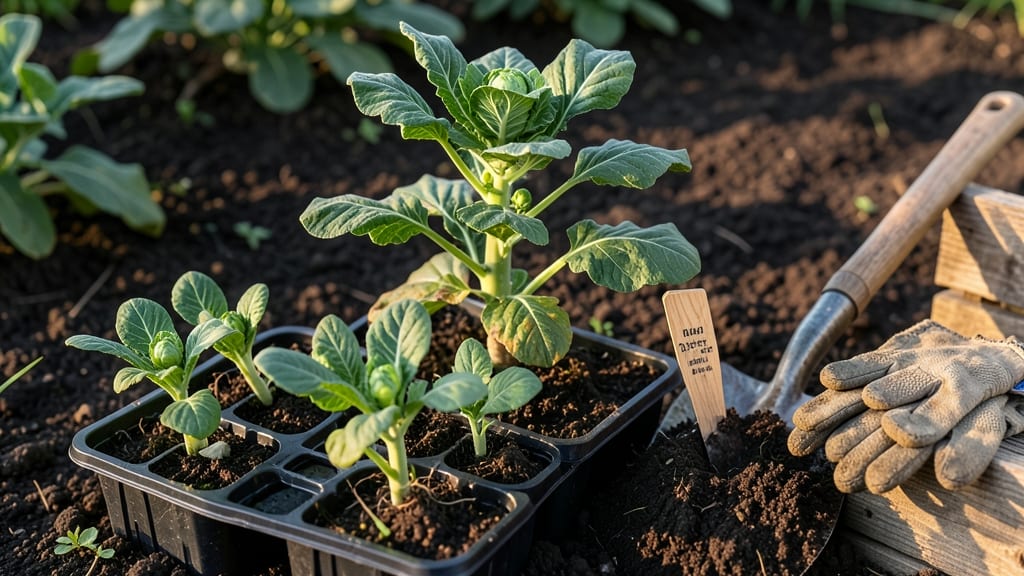
Timing your Brussel sprouts 🥦 planting in Colorado isn’t just about following a calendar—it’s about outsmarting the state’s fickle frost dates and short growing season. Get it right, and you’ll enjoy homegrown harvests from October through January, even when snowflakes start to fly.
But plant too early, and you risk frost damage; too late, and your sprouts bolt before they mature.
Whether you’re gardening in Denver’s USDA Zone 5-7 or the higher elevations near Colorado Springs, the key lies in understanding your local frost patterns. Most gardeners here swear by two planting windows: mid-April to mid-May for a fall harvest, or July to August for a winter crop.
The difference between these windows can mean the difference between a bountiful garden and a sad, wilted disappointment.
I’ve tested these strategies firsthand, and I’ll show you exactly how to align your planting schedule with Colorado’s climate quirks. From starting seeds indoors to transplanting outdoors at the perfect moment, you’ll learn the game-changer tactics that keep your sprouts thriving—even when temperatures drop.
Let’s dive into the schedule that’ll give you zero-frost harvests all season long.
Ready to grow Brussels sprouts that taste sweeter than any store-bought? The secret starts with the right timing—and I’ve got the proven plan to make it happen. No more guessing, just guaranteed results for your Colorado garden.
Colorado’s ideal planting windows for Brussel sprouts by elevation zone
Colorado’s diverse elevations create wildly different frost dates—from the Front Range’s milder zones (Denver, Colorado Springs) to the high-altitude Rocky Mountains. Getting your Brussel sprout timing right means avoiding frozen buds or bolted greens before harvest.
The key? Planting 4-6 weeks before the first frost for a fall harvest, or July-August for winter crops in warmer microclimates.
Most Colorado gardens fall into USDA Zones 5-7, but elevation shifts frost dates dramatically. At 5,000–7,000 ft (Front Range), your last frost is typically mid-May, while 9,000+ ft zones can see frost as late as June 15.
This means Denver gardeners can start earlier than those in Leadville or Aspen. Let’s break it down by zone to lock in your zero-frost harvest.
For Front Range gardeners, direct-sowing Brussel sprouts in late April gives plants enough time to mature before the October frost. But if you’re in Colorado Springs or Pueblo, where nights stay cooler, start seeds indoors in March and transplant after May 15 to avoid early bolting.
High-altitude growers should wait until mid-May for direct sowing or use row covers to protect young plants.
Pro tip: Use ‘Long Island Improved’ or ‘Ruby Ball’ varieties—they’re cold-hardy and tolerate Colorado’s short growing season. These varieties also handle light frosts (28°F) without damage, letting you harvest into December or January in sheltered microclimates.
Pair them with black plastic mulch to warm the soil and extend the season by 2–3 weeks.
If you’re growing in containers or raised beds, plant 2–3 weeks later than in-ground—these setups warm up slower and are more vulnerable to late spring frosts.
Always check your local CoCoRaHS frost date maps for precise timing, as Colorado’s microclimates can vary by 1–2 weeks even within the same city.
For a double harvest, try succession planting: Sow a small batch every 2 weeks from April to July. This spreads out your harvest and reduces the risk of bolting all at once.
Just be sure to thin seedlings to 12–18 inches apart—crowded plants lead to smaller sprouts and poor air circulation, inviting fungal diseases like downy mildew.
One common mistake? Assuming “Colorado time” applies to planting. May 1 in Denver isn’t the same as May 1 in Durango. Use a frost calendar (like the one from Colorado State University Extension) and adjust for your specific elevation.
For example, Grand Junction’s Western Slope can plant 2 weeks earlier than Fort Collins due to warmer nights.
Remember: Brussel sprouts need 90–120 days to mature, so count backward from your first frost. If you’re aiming for a Thanksgiving harvest, start seeds by July 15 in most of Colorado.
And if you’re in a high-altitude valley (like Gunnison), push planting to mid-July for a winter harvest.
Finally, soil temperature matters just as much as air temperature. Brussel sprouts won’t germinate in soil below 45°F. Use a soil thermometer to confirm—if it’s below 50°F, wait a few more days or use black plastic mulch to warm the soil faster.
Patience here prevents rotten seeds and slow starts.
How to extend your Brussel sprout season in Colorado’s short growing period
Colorado’s short growing season and early frosts can cut your brussel sprout harvest short—but with the right strategies, you can push your plants to produce well into winter.
The key is combining cold-hardy varieties, season extension tools, and smart soil prep to delay bolting and protect tender sprouts from frost.
Start by selecting late-maturing varieties like ‘Long Island Improved’ (120 days) or ‘Ruby Ball’ (110 days), which thrive in cooler temperatures and resist bolting. These varieties give you a 3-4 week advantage over faster-maturing types, letting you harvest well into November or even December in sheltered microclimates.
For high-altitude gardens (above 8,000 feet), focus on early-maturing varieties like ‘Jade Cross’ (90 days) paired with black plastic mulch. This raises soil temps by 5-8°F, accelerating growth and ensuring harvests before the first hard frost.
Test your soil’s pH (6.0-7.0 ideal) and add lime if needed—acidic soil slows growth in Colorado’s alkaline conditions.
Harvest sprouts before the first hard frost (below 20°F) for the best flavor. If frosts sneak in early, pick the lower sprouts first—they mature faster and are less likely to freeze.
Leave the top 6-8 inches of the stalk unharvested; these late sprouts often survive light frosts and can be picked after the ground thaws in spring.
Pro tip: Frost-sweetened sprouts are a delicacy! A light frost (28-32°F) enhances their flavor. Just avoid heavy freezes—these turn sprouts mushy. With these tactics, you can enjoy homegrown brussel sprouts from October through December, even in Colorado’s chilly climate. 🥦