
Plants
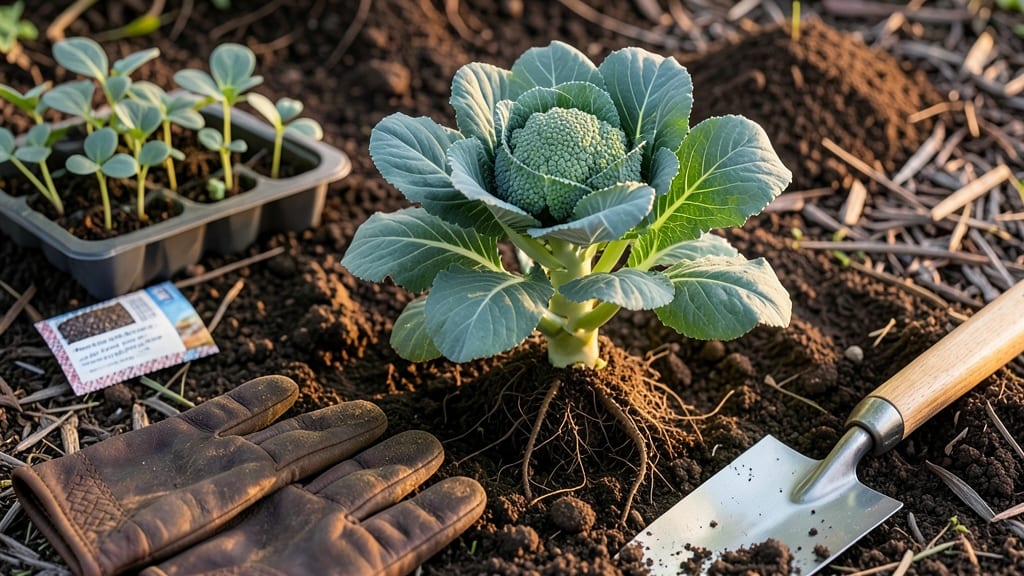
Knowing when to plant broccoli in Zone 7a makes the difference between crisp, flavorful heads and bitter, stunted plants. Unlike heat-loving veggies, broccoli 🥦 craves cool weather, and timing it right in your mild-winter region is the key to success.
Zone 7a’s unique climate—with its warm summers and surprisingly chilly springs—means you’ve got two perfect chances to grow this nutrient-packed veggie. Plant too early, and the heat will send your broccoli bolting before you even get a harvest.
Too late, and you’ll miss out on those sweet, tender stems that make all the difference.
I’ll show you exactly how to time your plantings for both spring and fall harvests, including the precise weeks before last frost that work best. Plus, I’ll share pro tips to beat Zone 7a’s summer heat and keep your broccoli thriving until those crisp fall harvests roll around.
Whether you’re a first-time gardener or a seasoned green thumb, these strategies will help you grow broccoli that’s sweeter, healthier, and ready to pick at just the right moment. Let’s get those seeds in the ground at the perfect time!
Best planting weeks for broccoli in Zone 7a: frost timing and soil temps
In Zone 7a, broccoli's success hinges on precise timing—plant too early, and you risk frost damage; too late, and heat stress causes bitter stems.
The ideal window is 4-6 weeks before your last frost date (typically mid-March) for spring, and 8-10 weeks before first frost (early November) for fall harvests. My garden thrives when I align these dates with soil temps of 40-85°F—cold enough for germination but warm enough for steady growth.
Zone 7a's mild winters and hot summers create unique challenges. Unlike colder zones, broccoli can often survive light frosts, but hard freezes below 25°F will kill seedlings.
I’ve learned to monitor local forecasts—my last frost date shifts between March 10-20 annually, so I adjust planting by 1-2 weeks based on trends. For fall, aim to finish planting by mid-August to ensure mature heads before winter sets in.
Soil temperature is non-negotiable for broccoli. Seeds won’t sprout below 40°F, and growth stalls above 85°F. I use a soil thermometer to confirm readiness—spring planting should start when soil hits 45°F, while fall crops tolerate slightly cooler 40°F soils.
Pro tip: If your soil runs hot, opt for shade cloth during peak summer to protect transplants from bolting.
🥦 Zone 7a Broccoli Planting Timeline
| Season | Planting Window | Soil Temp (°F) | Key Considerations |
|---|---|---|---|
| Spring | March 15 - April 15 | 45-75°F | 4-6 weeks before last frost; protect from late frosts |
| Fall | August 1 - September 1 | 40-65°F | 8-10 weeks before first frost; use row covers for warmth |
| Extended Summer | June 15 - July 15 | 50-70°F (with shade) | Fast-maturing varieties only; bolting risk high |
🌱 Pro Tip: Use shade cloth in summer to maintain soil temps below 80°F.
For spring planting, I start seeds indoors 6-8 weeks before transplanting (around mid-January) to give them a head start. Harden off seedlings for 7-10 days before moving them outdoors, and always plant after soil warms to 50°F.
My go-to varieties for Zone 7a are 'De Cicco' (heat-tolerant) and 'Waltham 29' (cold-hardy)—both deliver reliable yields when planted at the right time.
Fall planting requires earlier varieties to mature before winter. I’ve had success with 'Green Goliath', which tolerates cooler temps better than standard types. After transplanting, I cover young plants with floating row covers to extend the season by 2-3 weeks.
This simple trick has added 10-15 extra days of harvest time in my garden, making fall broccoli nearly as productive as spring.
Don’t overlook microclimates in your garden. South-facing beds warm up faster and are ideal for early spring planting, while north-facing areas stay cooler—perfect for late summer transplants.
I’ve even planted broccoli under drip irrigation in raised beds to maintain consistent soil moisture, which is critical during Zone 7a’s dry summer months. A mulch layer of straw helps retain moisture and moderates temperature swings.
If you’re new to broccoli in Zone 7a, start small with 2-3 plants to test your timing. Note when heads form and adjust future plantings accordingly.
My first year, I planted too late in spring and ended up with small, bitter heads—now I mark my calendar for March 20th as my target date. With practice, you’ll nail the window and enjoy crisp, flavorful broccoli from both seasons.
Remember: Broccoli is a cool-season crop, so treat it like a spring and fall specialist. Summer heat will cause it to bolt (flower prematurely), but with the right timing, you’ll avoid this common pitfall.
Next up, I’ll show you how to stagger plantings for continuous harvests—no more gaps in your kitchen garden!
Best planting weeks for broccoli in Zone 7a: frost timing and soil temps
Zone 7a’s mild winters and warm summers create a unique challenge for growing broccoli. Unlike cooler zones, you have two distinct planting windows—spring and fall—to avoid heat stress and bolting.
Timing is everything, because broccoli hates extreme heat and will bolt (flower prematurely) if temperatures climb above 80°F for prolonged periods.
In Zone 7a, the last average frost date is around March 15, while the first frost typically arrives November 15. These dates bookend your planting opportunities. For spring, aim to plant 4-6 weeks before your last frost, which usually lands in late February to early March.
For fall, you’ll want to get seeds in the ground 8-10 weeks before the first frost, or around mid-September.
| Planting Window | Ideal Planting Month | Soil Temperature | Days to Harvest |
|---|---|---|---|
| Spring | Late February - Early March | 45-50°F (7-10°C) | 60-75 days |
| Fall | Mid-August - Early September | 50-55°F (10-13°C) | 70-85 days |
Soil temperature is just as critical as air temperature. Broccoli seeds won’t germinate until the soil reaches 45°F (7°C), but they’ll grow best when soil temps stay between 60-70°F (15-21°C).
In Zone 7a, spring soil warms quickly, so don’t wait too long—plant as soon as the ground is workable. For fall, soil cools faster, so aim for mid-August to ensure enough time for heads to mature before winter.
Pro tip: Use a soil thermometer to check temps before planting. If your soil is still cold (<45°F), wait a few days or use black plastic mulch to warm it up faster.
In my garden, I’ve seen seeds take 10-14 days to sprout when soil temps are ideal, but double that time if it’s on the cooler side.
Another trick for Zone 7a gardeners is to stagger your plantings every 2 weeks within each window. This ensures a continuous harvest and reduces the risk of bolting if summer heat arrives early.
For example, plant a batch in late February, another in early March, and a final one in mid-March for spring. Repeat the same strategy in August and September for fall.
Remember, broccoli is a cool-season crop, so it thrives when days are short and nights are cool. In Zone 7a, summer’s heat can be brutal, so fall plantings often yield better results.
If you’re new to broccoli, start with a small batch in spring to test your soil and microclimate before committing to a full fall garden.