
Plants
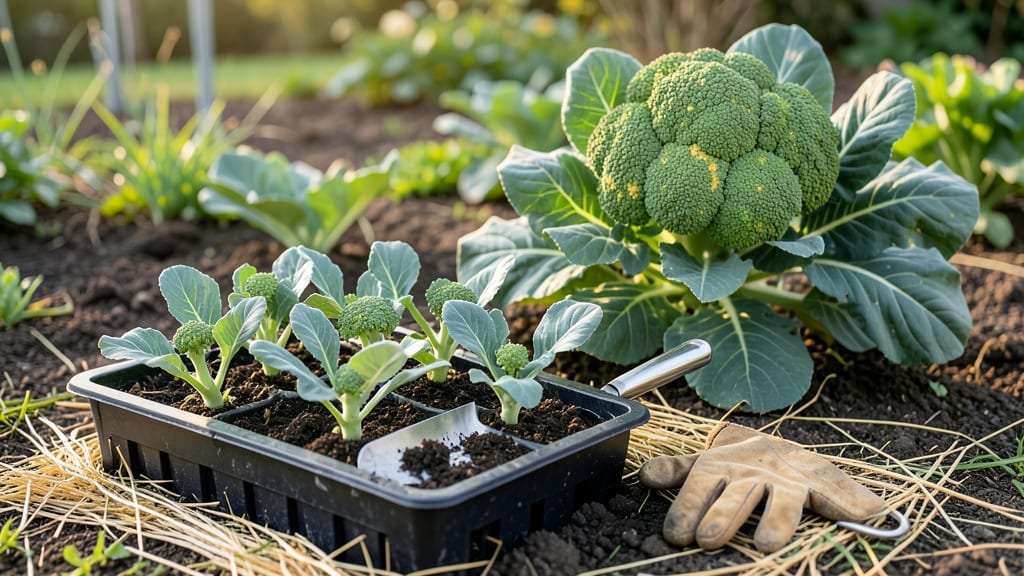
If you're growing 🥦 broccoli in Zone 6, timing your planting could mean the difference between a bumper crop and bitter disappointment. Too early, and frost will nip your seedlings in the bud; too late, and your plants might bolt before you even get to harvest.
The secret to success lies in knowing exactly when to plant for your climate.
For Zone 6 gardeners, the ideal windows are early spring—right after the last frost date—or late summer for a fall harvest. This isn't just about avoiding frost; it's about giving your broccoli the perfect conditions to thrive without rushing into heat stress.
I'll walk you through the exact timing, soil prep, and spacing tricks to ensure your plants stay happy and productive.
You might think planting broccoli is as simple as dropping seeds in the ground, but the key is understanding how temperature and daylight affect its growth. Whether you're a seasoned gardener or just starting, these insights will help you plan for a harvest that's both abundant and delicious.
Let's dive into the best strategies for planting broccoli in Zone 6.
From preventing bolting to choosing the right varieties, I'll cover everything you need to know to make your broccoli plants flourish. With the right timing, you'll be enjoying homegrown 🥦 all season long—no bitter surprises included. Ready to get started?
Optimal broccoli planting times in Zone 6: spring vs fall schedule
Zone 6 gardeners have two golden windows to plant broccoli: early spring and late summer. Missing these timings risks bolting—when your broccoli suddenly flowers instead of forming heads. Let’s break down the exact dates and soil conditions to nail your harvest.
For spring planting, aim for 4–6 weeks before your last frost date (typically mid-March to early April in Zone 6). Soil should reach at least 40°F (4°C) for seeds to germinate. Fall planting? Start 90 days before the first frost (usually late July to early August).
Here’s the critical detail: Broccoli hates heat. Planting too late in spring or too early in summer triggers bolting. A shade cloth (30-50%) can save your crop if summer temperatures creep above 75°F (24°C) for more than a few days.
🌱 Broccoli Planting Schedule for Zone 6
| Season | Planting Window | Soil Temp | Days to Harvest | Key Tip |
|---|---|---|---|---|
| Spring | March 15–April 15 | 40–50°F (4–10°C) | 50–70 days | Use row covers for frost protection. |
| Fall | July 15–August 15 | 50–60°F (10–15°C) | 60–80 days | Choose fast-maturing varieties for fall. |
| Succession | Every 2–3 weeks | 40–50°F (4–10°C) | 50–60 days | Stagger plantings for continuous harvests. |
📅 Pro Tip: Mark your calendar for April 15 (last frost) and October 15 (first frost)—these are your broccoli planting bookends.
Direct sowing is ideal for broccoli, but you can also start indoors 4–6 weeks before transplanting (use biodegradable pots to avoid root shock). Harden off seedlings for 7–10 days before moving them outside. Space plants 18–24 inches apart—crowding stresses plants and speeds up bolting.
Zone 6’s short growing season (about 165 frost-free days) means fall planting is a must for a second harvest. Aim for varieties like 'De Cicco' or 'Waltham 29'—they mature faster and handle cooler temps better.
If you plant in late August, you’ll likely harvest by October, just before frost hits.
Avoid planting broccoli in early summer (June–July) unless you’re using shade cloth or drip irrigation to keep soil cool. Heat stress is the #1 cause of bolting in Zone 6. Instead, focus on spring and fall for the sweetest, crispiest heads.
For succession planting, sow new seeds every 2–3 weeks in spring (up to May) and again in late July. This ensures a steady supply of broccoli all season long. Just remember: Broccoli planted after early August rarely matures before frost in Zone 6.
Soil prep is non-negotiable. Amend your garden bed with 2–3 inches of compost and a balanced fertilizer (10-10-10). Broccoli loves slightly acidic soil (pH 6.0–7.0). Test your soil in early spring—if it’s too alkaline, add sulfur to adjust the pH.
Finally, mulch heavily (straw or shredded leaves) to retain moisture and regulate soil temperature. Mulch also suppresses weeds, which compete with broccoli for nutrients. In Zone 6, consistent moisture is key—let the soil dry out, and your broccoli turns bitter or bolts.
With these timing tricks, you’ll avoid the heartbreak of bolted broccoli and enjoy homegrown heads from May through October. Happy planting! 🥦
Optimal broccoli planting times in Zone 6: spring vs fall schedule
Zone 6 gardeners have two prime windows for planting broccoli: early spring and late summer. Each offers unique advantages, but timing is critical to avoid bolting or stunted growth. For spring plantings, aim for 4-6 weeks before your last frost date—typically March to early April in Zone 6.
Fall plantings require even more precision. Start seeds indoors 8-10 weeks before your first frost (usually July for Zone 6) or transplant seedlings by mid-August. This ensures mature heads form before cold weather arrives. Miss these windows, and you risk bitter, woody stems or premature flowering.
| Planting Window | Key Dates (Zone 6) | Soil Temp Requirement | Harvest Window |
|---|---|---|---|
| Early Spring | March 15–April 15 | 40–50°F (4–10°C) | May–June |
| Late Summer | July 15–August 15 | 50–60°F (10–15°C) | September–October |
Soil temperature is non-negotiable for broccoli success. Seeds won’t germinate below 40°F (4°C), and seedlings will linger or rot in cold, wet soil. Use a soil thermometer to confirm readiness—spring plantings need 40–50°F (4–10°C), while fall plantings thrive at 50–60°F (10–15°C).
Pro tip: Extend your spring season by using black plastic mulch or row covers to warm soil faster. For fall, prioritize shade cloth during hot afternoons to prevent heat stress. Both strategies buy you 2–3 extra weeks of ideal growing conditions in Zone 6’s shorter seasons.
Succession planting is your secret weapon. In spring, sow new seeds every 2 weeks until mid-April to stagger harvests. In fall, repeat the process from mid-July to early August. This ensures a continuous supply of fresh broccoli while minimizing bolting risks from inconsistent temperatures.
Remember: Broccoli needs 60–80 days to maturity from transplant. Plan accordingly—spring plantings should yield by late May, while fall crops must mature by mid-October before hard frosts hit. Mark your calendar and set reminders to avoid last-minute planting panic!