
Plants
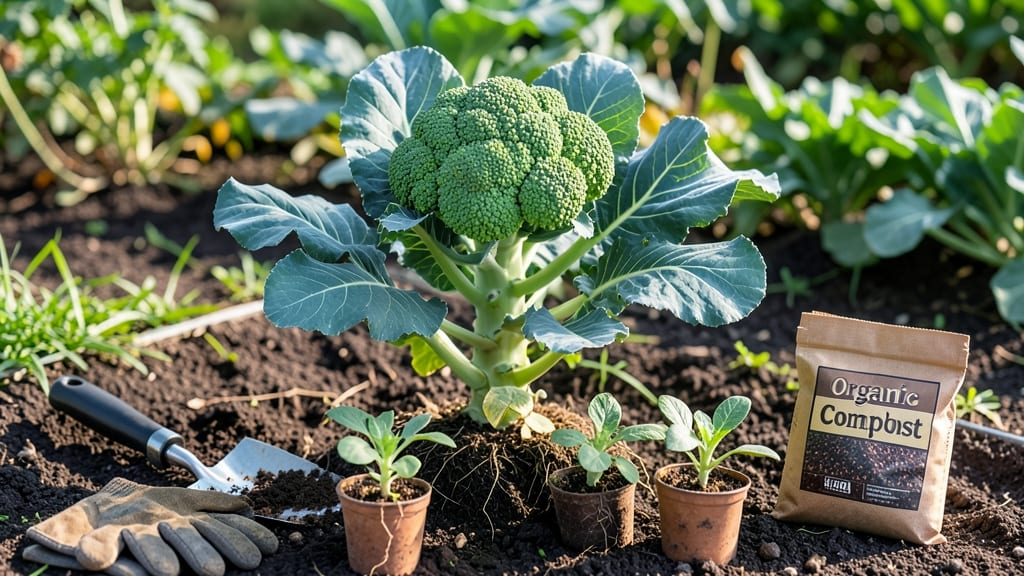
Knowing when to plant broccoli in Zone 8b can mean the difference between a bountiful harvest and wasted effort. That first crisp bite of homegrown 🥦 in fall or spring is worth every bit of planning, but getting the timing wrong leads to bolting or frost damage.
In Zone 8b, where winters are mild but frosts still sneak in, your planting window is narrower than you might think. The key is planting 4-6 weeks before your first frost—typically between late August and early September for fall crops, or January-February for spring.
This timing ensures your broccoli matures before cold sets in, giving you a head start on those late-season harvests.
But here's the catch: not all broccoli varieties handle Zone 8b's microclimates the same way. Some bolt early in the heat, while others struggle with mild winter chills. I'll show you exactly which varieties thrive in your zone and how to adjust for urban heat islands or rural cool spots.
Ready to grow broccoli that's bolt-resistant, frost-proof, and packed with flavor? Let's dive into the exact planting schedule, soil prep secrets, and spacing tricks that work for Zone 8b gardeners like you.
Optimal fall planting windows for broccoli in Zone 8b (with heat tolerance zones)
In Zone 8b, where winters are mild but unpredictable, timing your broccoli planting to avoid early bolting or frost damage requires precision. The ideal window spans from mid-August to early September, allowing heads to mature before December’s first frost (typically December 15).
This aligns with soil temperatures dropping below 75°F, signaling broccoli’s preference for cooler conditions.
Your microclimate matters—urban heat islands may push back planting by 1-2 weeks compared to rural areas. Use a soil thermometer to confirm temps are 50-60°F at planting depth.
For heat-tolerant varieties like 'Waltham 29' or 'De Cicco', you can start as early as late July, but expect slower growth and smaller heads.
Here’s the critical timeline for Zone 8b broccoli success, tailored to your climate’s nuances:
| Planting Window | Variety Type | Soil Temp (°F) | Days to Harvest | Risk Level |
|---|---|---|---|---|
| Late July - Early August | Heat-tolerant (e.g., 'De Cicco') | 60-75°F | 60-75 days | Moderate (smaller heads) |
| Mid-August - Early September | Standard (e.g., 'Calabrese') | 50-60°F | 50-60 days | Low (optimal size) |
| Late September - October | Cold-hardy (e.g., 'Belstar') | 45-55°F | 70-80 days | High (frost risk) |
*Adjust dates 1-2 weeks earlier for urban areas with higher heat retention.
For urban gardeners, consider container planting to mitigate heat stress. Containers cool faster and let you move plants to shadier spots during heatwaves. Use self-watering pots to maintain consistent moisture, which is critical for head formation in Zone 8b’s variable fall weather.
Start seeds indoors 4-6 weeks before your target outdoor date to give seedlings a head start. Transplant outdoor-grown seedlings (from a nursery) 2-3 weeks earlier than direct-sown seeds, as they’re more established.
Harden off seedlings for 7-10 days by gradually exposing them to outdoor conditions during the day and bringing them in at night.
Pro tip: Plant broccoli alongside radishes or lettuce to maximize space. Radishes mature quickly, leaving room for broccoli to expand. This interplanting strategy also helps deter pests like cabbage worms, which are more active in Zone 8b’s mild winters.
If you miss the fall window, don’t despair—late winter planting (January-February) is your second chance. Aim for a harvest by late March before spring pests peak. Use row covers to protect young plants from cabbage moths and extend the season.
Always check your local frost dates—they can vary by 1-2 weeks even within Zone 8b. For example, San Diego may have no frost in fall, while Phoenix could see light frosts by December. Adjust your planting dates accordingly to avoid bolt-inducing stress.
Remember: Broccoli thrives in cool weather but bolts in heat. In Zone 8b, the sweet spot is planting when daytime highs drop below 80°F and nighttime lows stay above 50°F. This balance ensures zero-bolt harvests and frost-free growth.
How to avoid bolting: 5 critical factors for zero-bolt broccoli in late fall
Broccoli in Zone 8b faces a unique challenge: long daylight hours in fall can trigger premature bolting. To prevent this, focus on soil fertility, water consistency, and variety selection tailored to your microclimate.
I’ve grown broccoli here for years, and these five strategies have eliminated bolting in my garden.
First, choose heat-tolerant varieties like 'De Cicco' or 'Calabrese'. These handle Zone 8b’s extended growing season better than traditional types. Pair them with rich, organic soil—amend beds with compost and aged manure before planting to provide steady nutrients without triggering bolting from nitrogen spikes.
Next, manage watering rigorously. Broccoli needs 1-1.5 inches of water weekly, but uneven moisture stresses plants. Use drip irrigation or soaker hoses to deliver water directly to roots in the morning. Avoid overhead watering, which can promote fungal diseases that weaken plants and increase bolting risk.
Here’s where timing matters: Plant 4-6 weeks before your first frost date (typically mid-December in Zone 8b). This ensures heads form before daylight hours shorten naturally. For example, if your frost date is December 15, aim for planting by November 1. Use a planting calendar to track progress.
- 🌡️ Soil Temperature: Keep soil between 45-75°F—broccoli bolts when soil heats above 80°F. Use shade cloth if summer lingers.
- 💧 Consistent Watering: Fluctuations trigger stress. Mulch with straw or wood chips to retain moisture and stabilize soil temps.
- 🌿 Fertility Balance: Over-fertilizing with nitrogen causes leafy growth, not heads. Use a low-nitrogen fertilizer (5-10-10) when plants are 4-6 inches tall.
- ⏳ Daylength Management: Plant semi-hardy varieties in late August-September to align with natural daylight shortening.
- 🌱 Succession Planting: Stagger plantings every 2-3 weeks in fall to extend harvests and avoid bolting from overcrowding.
Another pro tip: harvest side shoots after cutting the main head. This redirects energy to new growth and prevents bolting. I’ve extended my harvest by 3-4 weeks using this method. Just ensure side shoots are at least 3 inches long before picking.
Finally, monitor your garden’s microclimate. Urban areas often stay warmer than rural zones, accelerating bolting. If your garden feels hotter, opt for shade-tolerant varieties like 'Waltham 29' or use row covers to moderate temperatures. With these adjustments, you’ll enjoy bold, zero-bolt broccoli straight through winter.