
Plants
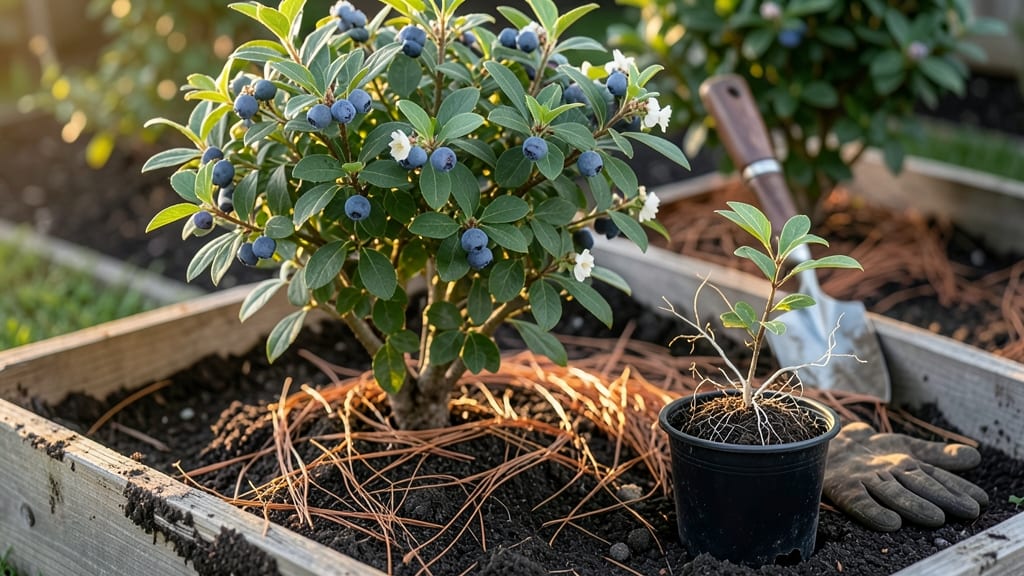
If you're dreaming of plucking fresh, juicy 🫐 blueberries straight from your Georgia backyard, timing your Blueberry Bush planting is the key to success. Planting at the wrong time could mean struggling plants or even failure, especially in Georgia's unique climate where frost dates and humidity play major roles.
Georgia gardeners in USDA Zones 7b-8a have a narrow window to plant for optimal growth—typically late fall through early spring. This timing allows roots to establish before summer heat arrives, setting your bushes up for a bountiful harvest in May-July.
Whether you're working with bare-root plants or containers, getting this right makes all the difference.
In this guide, I'll walk you through the best months to plant, how to prepare Georgia's soil for acid-loving blueberries, and common mistakes to avoid. You'll learn why late fall planting often outperforms spring, and how to adjust for your specific microclimate—whether you're in the Piedmont or coastal regions.
Ready to grow thriving Blueberry Bushes? Let's dive into the exact steps to plant for a harvest you'll be proud of, tailored just for Georgia's growing conditions.
Best planting months for blueberry bushes in Georgia’s climate
Georgia’s USDA Zones 7b and 8a offer two ideal windows for planting blueberry bushes: late fall and early spring. The best time is October through November when soil temperatures drop but remain above freezing, allowing roots to establish before winter dormancy.
This timing gives your bushes a head start compared to spring planting.
Spring planting in February or March works too, but only if you plant before buds break (typically by late March). Planting too late in spring risks stressing young bushes as they adjust to Georgia’s heat and humidity.
Coastal areas like Savannah may have slightly later frost dates, while Piedmont regions like Athens can experience earlier frosts.
Soil temperature is critical—wait until the ground cools to 50-60°F (10-15°C) for fall planting. In spring, aim for 40-50°F (4-10°C) soil temps to avoid shock. Use a soil thermometer to monitor conditions, especially in Georgia’s unpredictable microclimates.
Late fall planting is often superior in Georgia because it allows roots to establish without competing with summer heat. By winter, your bushes will be primed for explosive growth in spring. This method also reduces transplant shock compared to summer or late-spring plantings.
| Planting Window | Best Months | Soil Temp | Georgia Notes |
|---|---|---|---|
| Late Fall | October - November | 50-60°F (10-15°C) | Best for root establishment; avoid frost |
| Early Spring | February - March | 40-50°F (4-10°C) | Plant before buds break; risk of heat stress |
| Avoid | April - September | N/A | Summer heat causes transplant shock; drought risk |
Georgia’s coastal regions (Zone 8a) can plant slightly later than Piedmont areas (Zone 7b). For example, Savannah’s last frost is often mid-February, while Athens may see frost until mid-March. Use your local Cooperative Extension Service frost date maps to pinpoint your exact window.
If you miss the fall window, don’t panic—just ensure your bare-root plants are soaked overnight before planting. Container-grown bushes can handle spring planting better, but both types need consistent moisture for the first 30 days. Mulch heavily with pine straw or wood chips to retain moisture and regulate soil temperature.
Bare-root vs. container-grown bushes have different timing needs. Bare-root plants must be planted immediately upon arrival, while container-grown bushes offer more flexibility. In Georgia, container-grown bushes can sometimes be planted in early April if you’re in a warmer microclimate, but this is riskier due to heat stress.
Pro tip: Plant on a cloudy day to reduce stress. If you must plant in full sun, do it in the late afternoon to avoid midday heat. Water deeply after planting, then maintain 1-2 inches of mulch around the base to keep roots cool and moist.
Remember, blueberries are not native to Georgia, so they rely on you to mimic their natural acidic, well-draining conditions. The right planting time is just the first step—soil prep is equally critical for success in our clay-heavy soils. Let’s dive into that next!
Best planting months for blueberry bushes in Georgia’s climate
Georgia’s USDA Zones 7b and 8a offer two prime windows for planting blueberry bushes: late fall (October-November) and early spring (February-March). The best choice depends on your location—coastal areas (like Savannah) have milder winters, while Piedmont regions (Athens, Macon) experience colder snaps.
Fall planting gives roots time to establish before winter, while spring planting avoids late-season frost risks.
For Zone 7b (colder winters), aim for October to early November—this lets roots harden before frost. In Zone 8a (warmer winters), stretch planting until December if soil temps stay above 40°F (4°C).
Spring planting in Georgia should wrap up by mid-March to avoid bud break before last frost (typically mid-March in most regions).
Soil temperature is your best guide: plant when soil is 45-55°F (7-13°C). Use a soil thermometer or wait until 60°F (16°C) in spring to prevent root shock. Coastal Georgia’s warmer microclimate means you can plant 2-4 weeks later than inland areas.
🌱 Georgia Blueberry Planting Timeline
| Season | Best Planting Window | Soil Temp Requirement | Zone 7b vs. 8a |
|---|---|---|---|
| Fall | October-November | 45-55°F (7-13°C) | 7b: Oct 15-Nov 15 8a: Oct 1-Nov 30 |
| Spring | February-March | 45-60°F (7-16°C) | 7b: Feb 15-Mar 15 8a: Feb 1-Mar 31 |
| Avoid | April-July | N/A | Summer heat stresses roots |
⚠️ Pro Tip: Bare-root plants thrive in fall; container-grown bushes adapt better to spring planting.
Georgia’s humid summers make summer planting a no-go—roots can’t establish without consistent moisture. If you miss fall/spring windows, container planting in late spring (May) is an option, but expect slower growth. For coastal Georgia, extend fall planting until December 1 due to milder winters.
Choose northern highbush varieties (like 'Duke' or 'Climax') for Zone 7b and southern highbush (like 'Misty' or 'Premier') for Zone 8a. These varieties tolerate Georgia’s heat and humidity while producing reliable harvests. Always check the last frost date for your specific county—tools like the Georgia Climate Project map can help!
Remember: dwarf varieties (3-5 ft) establish faster in Georgia’s heat than standard bushes. Plant them 1-2 weeks earlier in spring to give roots a head start before summer’s intensity. Mulch heavily after planting to retain moisture and regulate soil temps—critical in Georgia’s sweltering summers.