Plants
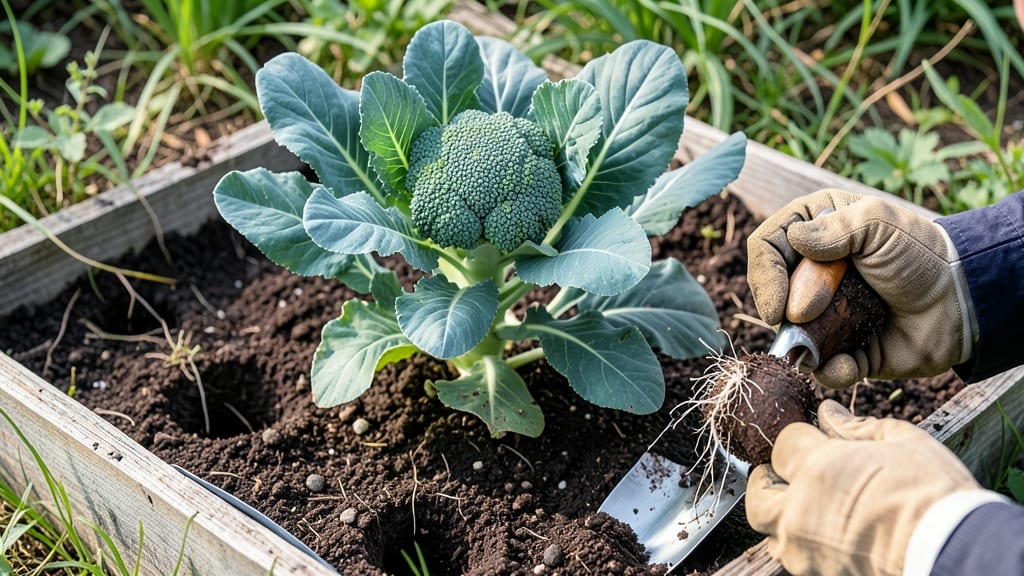
Timing your 🥦 broccoli planting in Indiana isn’t just about sticking seeds in the dirt—it’s the difference between a bountiful harvest and wasted effort. In USDA Zone 6a, getting the schedule wrong means bolting heads or frost-killed plants, and nobody wants that.
I’ve grown broccoli here for years, and the key is planting 4-6 weeks before your last frost date (around mid-March) for spring crops, or 3 months before the first frost (late July) for fall harvests.
Miss these windows, and you’ll either struggle with heat stress or lose your plants to early cold snaps.
What you’ll discover here is how to sync your planting with Indiana’s unpredictable climate—including soil prep tricks, shade cloth hacks for summer, and the best varieties that thrive in Zone 6a’s 165 frost-free days. No more guesswork, just zero-bolt broccoli from May through November.
Ready to turn your garden into a broccoli powerhouse? Let’s dive into the exact dates, soil secrets, and companion plants that’ll keep your 🥦 thriving all season long—no matter what Mother Nature throws your way.
Indiana broccoli planting calendar: exact dates for fall and spring harvests
Indiana’s USDA Zone 6 climate offers two prime windows for growing broccoli: early spring and late summer. The key is planting when soil temperatures hover between 40°F and 85°F—too cold, and seeds won’t germinate; too hot, and plants bolt prematurely.
I’ve mapped out exact dates based on Indiana’s average last frost (April 15) and first frost (October 15), plus how to adjust for your local microclimate.
For spring planting, aim to sow seeds 4-6 weeks before your last frost date. In most of Indiana, that means mid-March to early April. Transplant seedlings 2-3 weeks later, once soil warms to at least 45°F.
This timing ensures heads mature by late May to June, before summer heat triggers bolting. If you’re in northern Indiana (Zone 5), push planting back to late March to avoid early frost damage.
Fall planting is trickier but rewards you with harvests in October-November. Start seeds indoors 8-10 weeks before your first frost (around early July) or sow directly in late August.
Seedlings need 90 days to mature, so time it so they’re ready to harvest before winter sets in. Use black plastic mulch to extend the season by 2-3 weeks—this warms the soil and delays frost damage.
Indiana Broccoli Planting & Harvest Timeline
| Season | Planting Window | Ideal Soil Temp (°F) | Harvest Window | Key Notes |
|---|---|---|---|---|
| Spring | Mid-March to Early April | 40–50°F | Late May–June | Use row covers if nights dip below 30°F |
| Spring (Transplant) | Late March–Early April | 45°F+ | June–Early July | Buy hardy seedlings from local nurseries |
| Fall | Late August–Early September | 50–70°F | October–November | Use black plastic mulch to warm soil |
| Fall (Indoor Start) | Early July | 65–75°F | October–Early November | Transplant 8–10 weeks before frost |
Indiana’s microclimates can shift planting dates by 1-2 weeks. For example, southern Indiana (near Evansville) enjoys warmer springs, so you can plant 2 weeks earlier than northern areas (like Fort Wayne).
Check your local frost dates via the Indiana State Climate Office or use a frost calendar app to fine-tune timing. Pro tip: Plant successive crops every 2 weeks in spring to stagger harvests and avoid glut.
Soil temperature is more critical than air temperature. Use a soil thermometer to confirm readings—broccoli seeds won’t germinate below 40°F, even if the air feels warm. If your soil runs cold, try raising beds or using clear plastic tunnels to add 5–10°F of warmth.
In my garden, this shaved 10 days off my spring planting window last year.
Don’t overlook fall frost dates, which can arrive 2 weeks early in some years. If you’re planting for a fall harvest, monitor 7-day forecasts and have row covers ready. I once lost a $60 batch of seedlings because I underestimated a September frost2 extra flats as insurance.
For container growing, adjust timing by 1 week later than in-ground planting. Pots heat up faster in summer, so fall starts should begin by August 1st for Zone 6. Use self-watering containers to prevent bolting from inconsistent moisture—a common issue in Indiana’s humid summers.
Remember: Broccoli hates heat. If temperatures climb above
How to avoid bolting: 5 critical tips for Indiana’s unpredictable climate
Indiana’s hot summers and unpredictable temperature swings can turn your broccoli into bitter, flowering stalks faster than you can say "harvest time." Bolting happens when plants sense stress, like sudden heat or drought.
But with these 5 science-backed strategies, you’ll keep your broccoli cool, happy, and ready to harvest—even in Zone 6’s wild weather.
First, choose bolt-resistant varieties like 'Waltham 29' or 'De Cicco.' These hold up better to Indiana’s late-spring heat waves than standard types. Pair them with shade cloth (30-50%) during peak afternoon sun (June-August) to lower soil and air temps by 10-15°F.
A simple row cover or even a lightweight tarp stretched over plants works wonders.
🌱
Don’t overlook soil temperature—broccoli bolts when soil exceeds 80°F. Use a soil thermometer to monitor; if temps creep up, plant in partial shade or switch to fall crops.
For extra insurance, plant successionally: Start with early varieties (March), then add mid-season (April) and late-season (August) batches to stagger harvests.
Pro tip: Companion planting with bush beans or radishes improves air circulation and deters pests that stress plants. Avoid planting near tomatoes or cabbage, which compete for nutrients and attract similar pests. With these tweaks, you’ll outsmart Indiana’s climate and enjoy crisp, zero-bolt broccoli from May through November.
🌿