
Plants
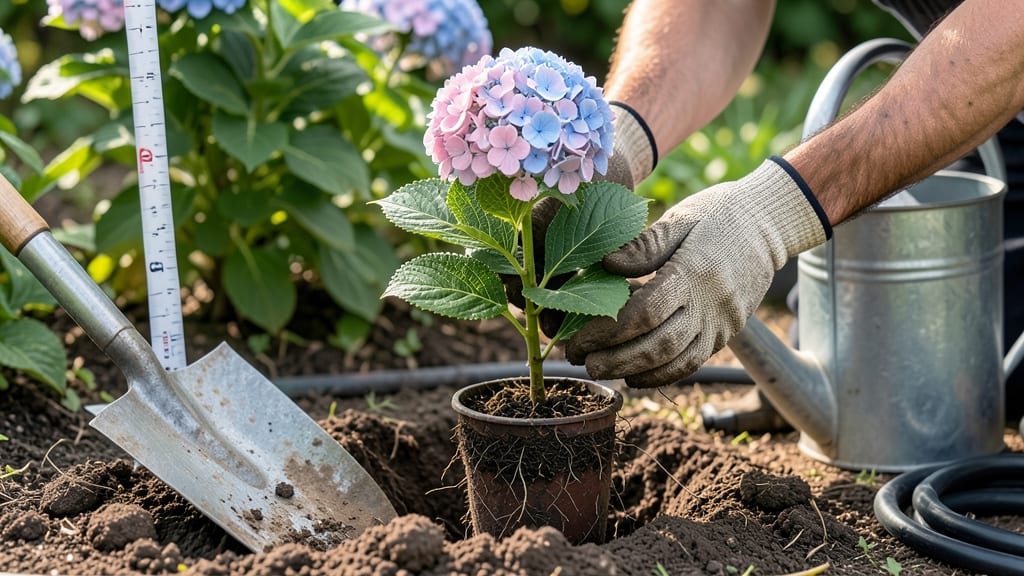
When can you plant hydrangeas in the ground? Timing this just right can mean the difference between a lush, blooming bush and a struggling underachiever—so when exactly should you dig in?
For gardeners in USDA Zone 6a, the sweet spot is April to May, once the last frost has passed and the soil has warmed up.
Hydrangeas are spring lovers, and planting them too early can leave their delicate roots vulnerable to cold snaps. But don’t wait too long either—by mid-summer, the heat can stress young plants before they’ve had a chance to establish themselves.
The key is finding that balance where your 🌸 thrives from day one.
Whether you’re planting in-ground or containers, the right timing ensures stronger roots and bigger blooms. I’ll walk you through the best months for your zone, how to prep your soil, and even how to adjust for warm climates where fall planting might be an option.
Let’s make sure your hydrangeas get off to the best start—because once they’re planted right, they’ll reward you with vibrant blooms for years to come.
Best planting months for hydrangeas by USDA hardiness zone
Hydrangeas thrive when planted during their optimal growing window, but the best months depend on your USDA zone and local climate. Most gardeners plant in spring or fall, but timing varies—especially for early bloomers like Hydrangea macrophylla (mophead or lacecap) versus late-season varieties like Hydrangea paniculata (panicle hydrangea).
In cooler climates (Zones 3-6), aim for late spring planting (May-June) to avoid late frosts that can damage tender roots. Meanwhile, warmer zones (7-11) often see success with fall planting (September-October), giving roots time to establish before summer heat. Let’s break it down by zone for foolproof results.
| USDA Zone | Best Planting Month | Key Consideration | Hydrangea Variety Notes |
|---|---|---|---|
| 3-5 | Late May–June | Wait for soil temps above 50°F (10°C) | Prioritize H. paniculata (hardier) |
| 6-7 | April–May or Sept–Oct | Spring: After last frost; Fall: 6 weeks before frost | H. macrophylla needs acidic soil |
| 8-9 | September–October | Avoid summer heat stress; mulch heavily | H. arborescens (smooth hydrangea) thrives here |
| 10-11 | Fall (Sept–Nov) or early spring | Use shade cloth if planting in summer | H. quercifolia (oakleaf) loves humidity |
For container-grown hydrangeas, you have a slightly wider window—plant anytime soil isn’t frozen, but spring is ideal for faster root establishment. If you’re in a hot climate (Zones 9-11), avoid planting in peak summer (June-August) when roots can overheat.
Pro tip: Check your local frost dates (use the USDA Plant Hardiness Zone Map) and plant 4-6 weeks before the first expected frost in fall.
This gives roots time to anchor before winter dormancy. For bare-root hydrangeas, soak roots for 1-2 hours before planting to reduce transplant shock.
If you’re unsure about your zone, observe your neighbors’ gardens—most hydrangeas in your area are likely planted during the same window. And remember: Early bloomers (like H. macrophylla) need cool spring temps to set buds, so don’t rush planting in warm zones! 🌸
Once you’ve nailed the timing, the next step is preparing your planting site. Hydrangeas are picky about soil pH (most love acidic conditions) and drainage.
In the next section, I’ll walk you through soil prep, sunlight needs, and container vs. in-ground planting to set your hydrangea up for bloom-tastic success.
For now, bookmark this zone guide—it’s your planting timeline cheat sheet! Whether you’re a first-time gardener or a hydrangea enthusiast, timing is everything. 🌿
Best planting months for hydrangeas by USDA hardiness zone
Planting hydrangeas at the right time ensures strong root growth and vibrant blooms. Most gardeners aim for spring planting after the last frost, but fall can also work in milder climates. The best window depends on your USDA zone and the hydrangea variety you’re planting.
For example, Hydrangea macrophylla (like Endless Summer) needs 6-8 weeks of warm soil before blooming, while Hydrangea paniculata (like Limelight) thrives in heat and can handle later planting. Let’s break it down by zone to avoid common mistakes.
| USDA Zone | Best Planting Months | Key Considerations |
|---|---|---|
| 3-5 (Cold Climates) | Late April to May | Wait until soil warms to 50°F+; avoid late frosts. Use mulch for winter protection. |
| 6-8 (Temperate) | April or September-October | Spring: Plant after last frost. Fall: 6 weeks before first frost for root establishment. |
| 9-11 (Warm Climates) | September to November | Avoid summer heat; plant in partial shade to prevent stress. |
In Zone 6a (like much of the Midwest), aim for mid-April to early May after the last frost date. If you miss spring, fall planting in September still works—just ensure roots have time to establish before winter.
For container-grown hydrangeas, you can plant slightly earlier in spring since they adapt faster.
Pro tip: Check your local last frost date (use the National Oceanic and Atmospheric Administration website) and count backward 4-6 weeks for fall planting. This gives roots time to settle before dormancy.
For early bloomers like Hydrangea arborescens, plant in early spring to maximize bloom time. Late bloomers like Hydrangea paniculata are more flexible and can handle June planting in cooler regions.
Always amend soil with compost before planting, regardless of season. Hydrangeas love moist, well-draining soil with a slightly acidic pH (5.2-6.0) for blue flowers or neutral pH (6.0-7.0) for pink blooms.