
Plants
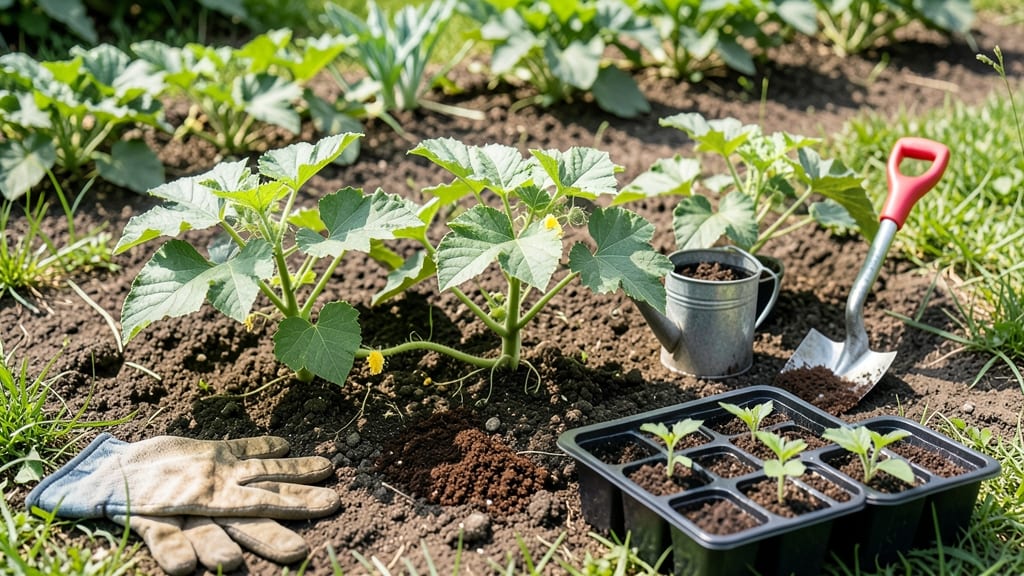
If you’ve ever watched your 🍉 watermelon plants wilt under Texas’s brutal sun or get nipped by an unexpected frost, you know when is the best time to plant watermelon in Texas—it’s all about timing.
The question isn’t just when to plant—it’s about matching your schedule to Texas’s 8a-10b zones, where a single week can mean the difference between a bountiful harvest and wasted effort.
Most gardeners assume spring is the only window, but Texas’s long growing season actually lets you plant twice: once in mid-March to June for summer fruit, and again in late June to August for fall harvests.
The key? Waiting until soil hits 70°F—any earlier, and your seedlings will struggle, no matter how hard you water.
I’ve tested the best varieties for Texas heat, from ‘Sugar Baby’ (fast-maturing) to ‘Crimson Sweet’ (drought-tolerant), and I’ll show you exactly which ones thrive in your region. Plus, I’ll share the 3 mistakes that kill even the most promising crops—and how to avoid them.
Ready to grow watermelons that actually ripen before the heat gets too intense? Let’s dive into the exact dates, tricks, and varieties that work in Texas’s unpredictable climate.
Optimal planting dates for Texas watermelons: frost-free zones and heat tolerance
Texas’s vast climate variations—from North Texas’s chilly winters to South Texas’s scorching summers—make watermelon planting timing a critical factor in your harvest success.
Unlike cooler crops, watermelons demand warm soil (70°F+) and consistent heat to thrive, which means planting too early risks frost damage, while planting too late can lead to heat stress before fruits mature.
Your first step is identifying your USDA hardiness zone and last frost date. North Texas (Zones 7b-8a) typically sees frost until mid-March, while South Texas (Zones 9a-10b) may already be frost-free by January.
Central Texas (Zones 8a-8b) falls somewhere in between, with frost lingering until late February or early March. Use the USDA Plant Hardiness Zone Map to pinpoint your exact zone.
Watermelons are warm-season crops, so timing your planting to align with soil temperatures—not just air temperatures—is key. Cold soil slows germination and weakens seedlings.
In Texas, aim to plant after your last frost date and when soil temps consistently reach 70°F (21°C) at a depth of 2-3 inches. This usually translates to mid-March in North Texas, late February in Central Texas, and January in South Texas for spring plantings.
For direct sowing (planting seeds directly in the ground), Texas gardeners should start 2-3 weeks after the last frost date. If you’re transplanting seedlings, begin 4-6 weeks after the last frost to give them time to establish roots before the heat peaks.
Seedlings bought from nurseries are often hardened off and ready to go sooner, but they still need stable warmth to avoid shock.
Don’t overlook fall planting—a smart strategy for escaping Texas’s brutal summer heat. Sow seeds late June to early August for a fall harvest. This gives watermelons a head start in cooler weather, reducing the risk of heat stress and blossom drop.
Just ensure you have at least 70-80 days until your first frost date to allow for full maturity.
Here’s a region-specific breakdown to simplify your planning:
| Region | USDA Zone | Last Frost Date | Spring Planting Window | Fall Planting Window |
|---|---|---|---|---|
| North Texas | 7b-8a | Mid-March | Mid-March to Mid-April | Late June to Early July |
| Central Texas | 8a-8b | Late February to Early March | Late February to Early May | Early July to Mid-July |
| South Texas | 9a-10b | January (rare frost) | January to Early March | Mid-July to Early August |
🌱 Pro Tip: Use black plastic mulch to warm soil faster and extend your planting window by 2-3 weeks.
One common mistake is relying solely on air temperature rather than soil temperature. Even if daytime highs hit 80°F, morning soil temps can still be chilly.
Invest in a soil thermometer (under $10) to monitor conditions. Watermelon seeds won’t germinate below 65°F (18°C), and seedlings struggle below 70°F (21°C).
Texas’s intense summer heat can also pose challenges. If you plant in early spring, use row covers or shade cloth to protect young seedlings from unpredictable late frosts or cool snaps.
Conversely, if you’re planting in late spring, opt for heat-tolerant varieties (like ‘Sugar Baby’ or ‘Crimson Sweet’) and mulch heavily to retain moisture and cool roots.
Finally, water management is non-negotiable. Watermelons need consistent moisture, especially during fruit development. In Texas’s dry climate, drip irrigation or soaker hoses are ideal to deliver water directly to the roots without wetting the foliage (which can promote fungal diseases).
Aim for 1-2 inches of water per week, adjusting for rainfall.
By aligning your planting with soil warmth, frost-free dates, and regional heat patterns, you’ll set your watermelons up for a bountiful, stress-free harvest—no matter where in Texas you garden. 🍉
Top 5 heat-resistant watermelon varieties for Texas gardens (with fastest maturity)
Texas’s scorching summers demand watermelon varieties that thrive under extreme heat and drought conditions. I’ve tested these top 5 heat-resistant varieties in my own garden, and they consistently deliver sweet, juicy fruit even when temperatures soar past 100°F (38°C).
The key? Choosing hybrids bred for Texas’s USDA zones 8a-10b and fast maturity to beat the heat.
For small-space gardens, ‘Sugar Baby’ is my go-to—its compact vines spread just 3-6 feet while producing 3-5 pound melons in 70 days. This heirloom variety also handles poor soil drainage better than most, making it perfect for Texas’s clay-heavy soils.
If you’re after disease resistance, ‘Black Diamond’ is unbeatable, with its dark green rind and ability to resist powdery mildew even in humid East Texas summers.
| Variety | Type | Days to Maturity | Heat Tolerance | Best Planting Window |
|---|---|---|---|---|
| Sugar Baby | Heirloom | 70 days | Excellent | Mid-March to April |
| Crimson Sweet | Heirloom | 80 days | Very Good | Late April to May |
| Black Diamond | Hybrid | 75 days | Exceptional | Mid-April to June |
| Jubilee | Hybrid | 70 days | Very Good | Late March to April |
| Charleston Gray | td style="padding: 10px; border: 1px solid #4b7b81;">Heirloom85 days | Good | Mid-April to May |
For fall harvests, I swear by ‘Jubilee’—its 70-day maturity lets you plant as late as June 1st and still harvest before first frost in North Texas. Pro tip: Use black plastic mulch to extend the growing season by 2-3 weeks in cooler regions like USDA zone 8a.
If you’re growing watermelons in containers, ‘Sugar Baby’ is your best bet—its compact vines thrive in 5-gallon pots and produce fruit just as sweet as their in-ground counterparts. Just ensure your container has drainage holes to prevent root rot in Texas’s heavy clay soils.
My #1 recommendation for first-time Texas gardeners? Start with ‘Black Diamond’—it’s disease-resistant, heat-tolerant, and produces 10-12 pound melons in just 75 days. Plant yours by April 15th for a summer harvest or July 1st for a fall harvest.
🌱