
Plants
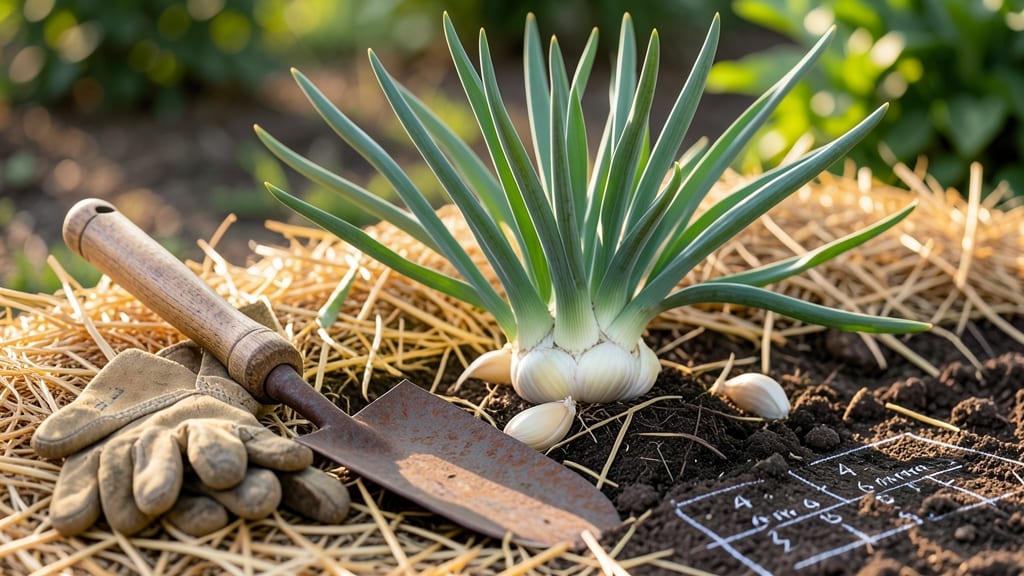
Timing your 🧄 garlic planting in Oklahoma isn’t just about the calendar—it’s about beating the first frost before the ground freezes solid. Get it wrong, and you might end up with shrivel-edged cloves instead of plump, flavorful bulbs ready for next summer’s harvest.
Here’s the secret: Oklahoma’s 6b-8a zones give you a narrow window—just 4-6 weeks before the ground freezes—to plant garlic for a successful crop. Miss that deadline, and your garlic might bolt or rot before it ever matures.
Let’s break down the exact dates and soil prep tricks to ensure your garlic thrives.
Why does this matter? Because unlike spring-planted crops, garlic needs cold weather to develop its signature flavor and size. Plant too early, and it’ll rot; too late, and it won’t bulb out properly.
I’ll show you how to read Oklahoma’s microclimates—whether you’re in Tulsa, Oklahoma City, or the Panhandle—to pick the perfect moment.
Ready to grow garlic that’s bigger, stronger, and more flavorful than store-bought? Let’s dive into the step-by-step guide tailored just for Oklahoma gardeners—no guesswork, just proven results.
Oklahoma garlic planting deadlines by hardiness Zone and variety type
Oklahoma’s diverse hardiness zones (6b-8a) mean your garlic planting window can shift by weeks—even between Oklahoma City and the Panhandle. For softneck varieties, like Silverskin, aim for mid-October to early November in Zone 6b, while Zone 8a gardeners in southern Oklahoma can plant until mid-November.
Hardneck varieties, such as Rocambole or Purple Stripe, thrive with a longer cold period (60-90 days below 40°F), so plant them 2-4 weeks earlier than softnecks.
The key is soil temperature: garlic cloves need 40-50°F soil to root before winter dormancy. Use a soil thermometer to check—if temps drop below 40°F, delay planting until conditions stabilize.
In Zone 7a (common in Tulsa), this usually means late October to early November, but watch for early freezes.
For elephant garlic, a milder giant cousin, extend your window by 1-2 weeks later than hardnecks. Its larger cloves need more space (4-6" apart) and tolerate slightly warmer soils (up to 55°F). However, avoid planting after November 15 anywhere in Oklahoma—cloves won’t root enough before winter.
🌱
Oklahoma’s unpredictable winters demand flexibility. If a hard freeze (below 20°F) hits before planting, cover cloves with straw (3-4 inches) to insulate them until soil warms.
In Zone 8a, where winters are milder, you can push the envelope—plant hardnecks until November 20—but expect smaller bulbs if roots don’t establish before cold snaps.
Spring planting is possible but not recommended in Oklahoma. Cloves planted in February or March produce smaller, pungent bulbs with less storage life. If you must try it, use organic matter-rich soil and fertilize heavily in spring to compensate for the lost cold period.
Pro tip: Label your garlic varieties at planting! Oklahoma’s variable microclimates can cause hardnecks to perform like softnecks—or vice versa—if planted in the wrong zone.
For example, German White (hardneck) might bolt in Zone 8a’s mild winters, while California Early (softneck) could rot if planted too early in Zone 6b.
Oklahoma garlic planting deadlines by hardiness Zone and variety type
Oklahoma's USDA hardiness zones 6b-8a create a 6-week window for planting garlic, but timing varies dramatically between northern Panhandle and southern Oklahoma City.
The ideal planting window is 4-6 weeks before ground freezes, typically mid-October to early November, but your exact deadline depends on garlic type and microclimate.
Hardneck varieties like 'Music' and 'German White' thrive in Oklahoma's cooler winters and need 60-70 days of chilling to form bulbs. Softneck types such as 'Artichoke' and 'Silverskin' are more adaptable but still require soil temperatures below 50°F for optimal growth.
Elephant garlic ('California Giant') has the latest planting deadline due to its slower bulb development.
| Variety Type | Best Planting Window | Last Chance Date (Zone 6b) | Last Chance Date (Zone 8a) | Soil Temp Requirement |
|---|---|---|---|---|
| Hardneck | Oct 15-Nov 1 | Nov 15, 2024 | Nov 30, 2024 | Below 50°F |
| Softneck | Oct 1-Nov 15 | Dec 1, 2024 | Dec 15, 2024 | Below 45°F |
| Elephant Garlic | Oct 20-Nov 10 | Nov 25, 2024 | Dec 10, 2024 | Below 40°F |
📅 Use your local first frost date as your planting deadline—add 4-6 weeks for best results
Oklahoma's northern Panhandle (Zone 6b) freezes earliest, with first frost dates around October 15, so gardeners there should plant by mid-September for hardneck varieties. In contrast, southern Oklahoma (Zone 8a) can plant until late December, though bulbs may be smaller.
Check Oklahoma Mesonet for real-time soil temperature data to time your planting perfectly.
One critical mistake Oklahoma gardeners make is planting too late—especially in Zone 7a areas like Tulsa. If cloves sprout before winter, they'll bolt prematurely and produce small, pungent bulbs.
For reliable harvests, aim to plant when daytime temps average 70°F and nights dip to 50°F—typically late October across most of the state.
Pro tip: Use mulch heavily after planting to insulate bulbs through Oklahoma's wild temperature swings. A 4-6 inch layer of straw can push your planting window 2-3 weeks later by delaying soil freezing. Just
For spring planting (not recommended but possible), Oklahoma gardeners can try January-February in Zone 8a areas, but yields will be 50-70% smaller than fall-planted garlic. The trade-off is avoiding winter soil prep—but the risk of bolting increases dramatically in Oklahoma's unpredictable springs.