
Plants
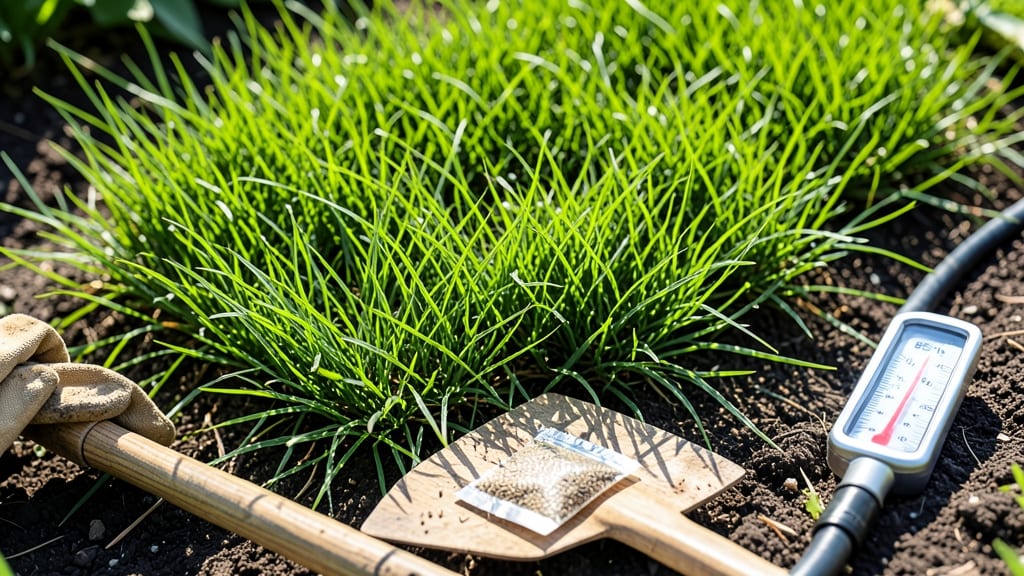
Planting Bermuda grass seeds in Texas at the wrong time can turn your dream of a thick, green lawn into a frustrating gamble against the heat. With temperatures swinging from 90°F in the summer to unpredictable freezes, timing isn’t just important—it’s the difference between success and failure.
If you’ve ever wondered why some lawns thrive while others struggle, the answer lies in understanding your USDA 8a-10b zone and the best window to plant.
Whether you’re in North Texas or the Rio Grande Valley, knowing when to plant—whether it’s late spring or early summer—is critical for germination and growth.
I’ll break down the exact planting deadlines by region, so you can avoid common mistakes like seeding too early or missing the ideal soil temperature window.
Plus, I’ll share how to prep your lawn for the best possible start, ensuring your Bermuda grass 🌱 takes root before the summer heat sets in.
Ready to transform your yard into a lush, drought-resistant oasis? Let’s dive into the perfect timing and preparation tips that will make all the difference.
Texas Bermuda grass planting deadlines by heat zone: spring vs fall comparison
Texas’ diverse heat zones (8a-11) create wildly different conditions for Bermuda grass. Planting too early or late can mean seeds rot in cold soil or dry out before germination. Here’s your heat zone-specific breakdown of ideal planting windows, with hard deadlines to avoid failure.
Bermuda grass thrives in full sun and warm soil, but Texas’ North vs. South divides create stark contrasts. For example, North Texas (Zones 8a-8b) has later last-frost dates than South Texas (Zones 9b-11). This means your planting window shifts by weeks depending on location.
🌱 Key Rule: Wait until soil temperatures reach 65°F (18°C)—cold soil delays germination or causes seed rot. Use a soil thermometer (available at garden centers) to confirm readiness.
| Heat Zone | Spring Planting Window | Last Day for Spring | Fall Planting Window | Last Day for Fall |
|---|---|---|---|---|
| 8a (North TX: Lubbock, Amarillo) | Mid-April to May 15 | May 31 | Late August to Sept 15 | Sept 30 |
| 8b (North-Central TX: Waco, Fort Worth) | Early April to May 20 | June 1 | Late August to Sept 20 | Oct 5 |
| 9a (Central TX: Austin, San Antonio) | Late March to May 25 | June 10 | Early August to Sept 25 | Oct 10 |
| 9b-10a (South TX: Corpus Christi, Houston) | Early March to June 10 | June 20 | Mid-July to Oct 1 | Oct 15 |
| 10b-11 (Deep South TX: Brownsville, Rio Grande Valley) | February to June 30 | July 10 | June 15 to Oct 31 | Nov 1 |
Spring planting is riskier in North Texas (Zones 8a-8b) because late freezes can still occur. Always check your local National Weather Service forecast for frost warnings before planting.
In South Texas (Zones 10b-11), the window extends into summer, but seeds planted after June 20 may struggle with intense heat and dry conditions.
Fall planting offers a second chance for Texas gardeners. Seeds sown in late summer (after 90°F+ days subside) germinate faster than spring plantings because soil stays warm longer. However, avoid planting too late—Bermuda grass needs 6-8 weeks to establish roots before winter dormancy begins.
🌡️ Pro Tip: Use a planting calendar like the one from Texas A&M AgriLife Extension to track your local soil temperature trends. Their free tools predict germination success rates based on your ZIP code.
Missed the window? Don’t panic. Sod alternatives (like pre-grown Bermuda grass plugs) can be installed throughout summer, though they require extra watering during establishment. For seeds, late August replanting is your last safe bet in most of Texas.
✂️ Common Mistake: Many Texas gardeners plant Bermuda grass in early spring (March) only to see seeds wash away in heavy rains or fail to germinate in cool soil.
Always wait for consistent 70°F+ soil temps—this usually means after Easter in North Texas and by Valentine’s Day in South Texas.
Texas Bermuda grass planting deadlines by heat zone: spring vs fall comparison
Texas’ extreme heat zones (USDA 8a–10b) create wildly different Bermuda grass planting windows. In North Texas (Zones 8a–8b), spring seeding must happen by May 15 to avoid summer heat stress, while South Texas (Zones 9a–10b) can push planting until June 1.
Fall is trickier—cooling too fast can stunt growth, so aim for late August to early September when soil stays above 65°F (18°C).
Miss these deadlines, and you’ll face slow germination, dormancy struggles, or even seed failure. For example, planting in July in North Texas means seeds bake in 100°F+ soil, while seeding in October risks early frosts before roots establish.
Let’s break it down by zone so you never guess again.
🌱 Texas Bermuda Grass Planting Deadlines by Heat Zone
| Heat Zone | Spring Window | Last Day to Plant | Fall Window | Soil Temp Requirement |
|---|---|---|---|---|
| 8a–8b (North TX) | April 15–May 15 | May 15 | Late Aug–Sept 1 | ≥65°F (18°C) |
| 9a (Central TX) | April 1–June 1 | June 1 | Aug 15–Sept 15 | ≥68°F (20°C) |
| 10a–10b (South TX) | March 15–June 15 | June 15 | Sept 1–Oct 1 | ≥70°F (21°C) |
*Soil temp must stay above threshold for 7+ days post-planting. Use a soil thermometer to verify.
Notice how South Texas has a 30-day later window than North Texas? That’s because higher heat zones retain warmth longer. For example, Houston (Zone 9a) can plant until June 1, while Austin (Zone 8b) must finish by May 15.
Pro tip: Check your local frost dates—fall planting should end 6 weeks before first frost to avoid winter kill.
Another critical factor is rainfall timing. Bermuda grass seeds need consistent moisture for germination, but Texas’ summer droughts can dry out soil fast. Plant in May? Schedule daily watering for the first 3 weeks.
Missed rain in September? Use a drip irrigation system to keep soil damp. Always prioritize even moisture over deep soaks.
If you’re in transition zones (e.g., Hill Country), err on the earlier side. For instance, San Antonio (Zone 8b) should plant by May 1—not May 15—to account for unpredictable heat spikes.
Use a weather app to track 7-day forecasts and avoid planting during 100°F+ heatwaves, which can inhibit germination.
For fall planting, aim to finish by September 15 in most of Texas. This gives seeds 8–10 weeks to establish before cooler temps slow growth. In South Texas (Zone 10a), you can push to October 1, but monitor nighttime temps50°F (10°C) can stunt roots.
Always test soil moisture before planting; dry soil in fall means supplemental watering is a must.