
Plants
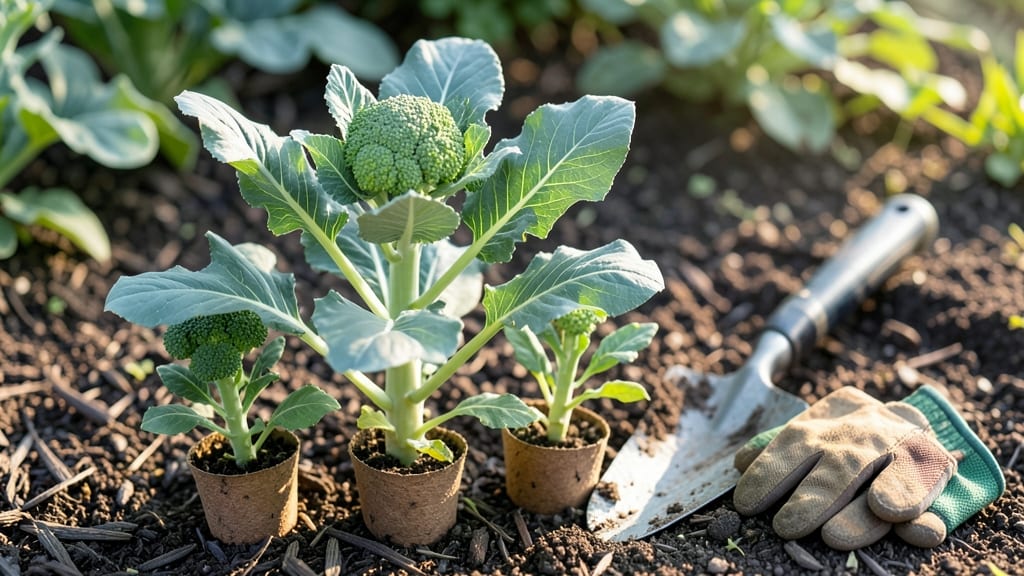
Timing your 🥦 broccoli planting in North Texas isn’t just about throwing seeds in the dirt—it’s the difference between a bountiful harvest and a sad, bolted mess.
With our 8a climate, you’ve got a 6-week window to get it right, and missing it means either sweltering summer stress or frost-nipped disappointment.
Most gardeners here focus on the obvious—spring and fall—but the real secret lies in microclimate tweaks. Whether you’re in DFW’s heat islands or the cooler Panhandle, planting too early can trigger bolting, while waiting too long risks stunted growth.
I’ve tested these strategies for years, and the results speak for themselves: zero-bolt harvests and heads so plump they’ll make your neighbors jealous.
What you’ll discover here isn’t just a calendar—it’s a game-changer for North Texas growers. We’re talking exact dates for your specific zone, soil prep hacks to outsmart our unpredictable weather, and variety picks that actually thrive here. No more guessing games; just reliable, foolproof broccoli that tastes like victory.
Ready to ditch the trial-and-error? Let’s get your 🥦 broccoli planted at the perfect moment—because in Texas, timing isn’t just important. It’s everything.
North Texas broccoli planting calendar: exact dates by microclimate zones
North Texas spans USDA Zones 7b-8b, creating microclimates where DFW’s urban heat meets the Panhandle’s cooler nights. Your last frost date shifts from February 15 in Dallas to March 1 in Lubbock, while first frosts arrive November 15—earlier in rural areas.
These variations mean your planting window must adapt or risk bolting (flowering prematurely) or frost damage.
Broccoli thrives in cool weather (55–65°F soil temps), making fall and early spring your best bets. In East Texas (Zone 8a), you can push late-summer sowings (August), but North Texas gardeners in DFW should wait until September 1 to avoid summer’s 100°F+ heat.
The Panhandle’s shorter growing season demands earlier starts—July 15 for fall crops.
Here’s your region-specific planting calendar, aligned with North Texas’s frost-free days and soil temperature thresholds:
| Region | Fall Planting Window | Spring Planting Window | Soil Temp Threshold (°F) | Key Notes |
|---|---|---|---|---|
| DFW (Zone 8a) | September 1–15 | February 15–March 15 | 55–65°F | Avoid August heat; use shade cloth if late. |
| East Texas (Zone 8a) | August 1–15 | February 1–March 10 | 55–65°F | Longer frost-free season; extend fall crops. |
| Panhandle (Zone 7b) | July 15–August 1 | March 1–15 | 50–60°F | Cooler nights; start seeds indoors. |
For DFW gardeners, aim to transplant 4–6 weeks before last frost (early February) and 8–10 weeks before first frost (early September). Use row covers to extend fall harvests into November, but remove them by October 15 to prevent heat stress from lingering summer warmth.
Soil prep is critical: Test pH (6.0–7.0) and amend with compost or aged manure. In urban gardens, raised beds warm faster—delay planting until soil hits 60°F to avoid bolting. Panhandle gardeners should prioritize cold-hardy varieties like ‘Waltham 29’ to survive 25°F nights.
Pro tip: Use a soil thermometer to confirm 55–65°F before sowing. In East Texas’s humidity, add 1 inch of mulch to retain moisture and deter cabbage worms. DFW’s alkaline soil? Mix in peat moss to lower pH naturally.
Timing isn’t just about dates—it’s about microclimate adjustments. Urban heat islands in Arlington may need 2 weeks earlier than rural Cleburne. Monitor your garden’s shade patterns and wind exposure; broccoli needs 6+ hours of sun but protection from afternoon heat.
Remember: Broccoli’s harvest window is 50–80 days after transplanting. Plan your fall crop to mature by November 1 and spring crop by May 1, or risk bitter, woody stems from overmaturity. Succession plant every 2 weeks in spring for continuous harvests.
🌱
How to prevent bolting in North Texas heat: variety selection and growing hacks
North Texas summers can turn your broccoli into a bolt-happy disaster. When temperatures creep above 75°F (24°C), broccoli plants race to flower, sacrificing those tight, edible heads you planted for.
The good news? With the right bolt-resistant varieties and a few smart tricks, you can stretch your harvest well into Texas winters—even in DFW’s sweltering summers.
Start with heat-tolerant broccoli varieties like ‘De Cicco’ (a compact Italian heirloom) or ‘Waltham 29’ (a classic bolt-resistant choice). These varieties handle warmer soil temperatures better than standard types, giving you a 10–14 day head start before bolting begins.
For urban gardeners in East Texas heat zones, consider ‘Calabrese’—it thrives in humid climates and resists early flowering.
🌱 Pro Tip: Plant your fall crop in August (not September!) to avoid late-summer heat spikes. Use shade cloth (30–50%) over seedlings during peak afternoon sun (12–4 PM).
This simple trick can delay bolting by 3–4 weeks, giving you a second harvest window in October or November.
🌿 Bolt-Prevention Strategies for North Texas
- Mulch heavily (3–4 inches) with straw or wood chips to keep soil cool and moist.
- Use drip irrigation to water deeply at dawn (avoids evening dampness).
- Choose fast-maturing varieties (50–60 days to harvest).
- Plant in full sun without shade after mid-August.
- Let soil dry out—consistent moisture is critical.
- Use high-nitrogen fertilizers late in the season (triggers bolting).
Another game-changer? Succession planting in two-week intervals from August through September. This ensures a continuous harvest before frost hits. For example, plant half your seeds in early August (for a fall harvest) and the rest in mid-September (for a winter harvest
Just be sure to harden off seedlings for 7–10 days before transplanting—North Texas’ temperature swings can shock tender plants. Watch for early warning signs of bolting: long, thin stems or yellowing leaves before head formation. If you spot these, harvest side shoots immediately—they’re still edible and can extend your crop’s life by 2–3 weeks. For stubborn bolters, prune the main head and let the plant redirect energy to lateral shoots, which often produce smaller but usable heads. 💧 Watering Wisdom: Broccoli in North Texas needs 1–2 inches of water weekly, but deep, infrequent watering (every 2–3 days) encourages deeper root growth—which means better heat tolerance. Avoid overhead sprinklers after 6 PM to prevent fungal diseases like downy mildew, which weakens plants and makes them more prone to bolting.