
Plants
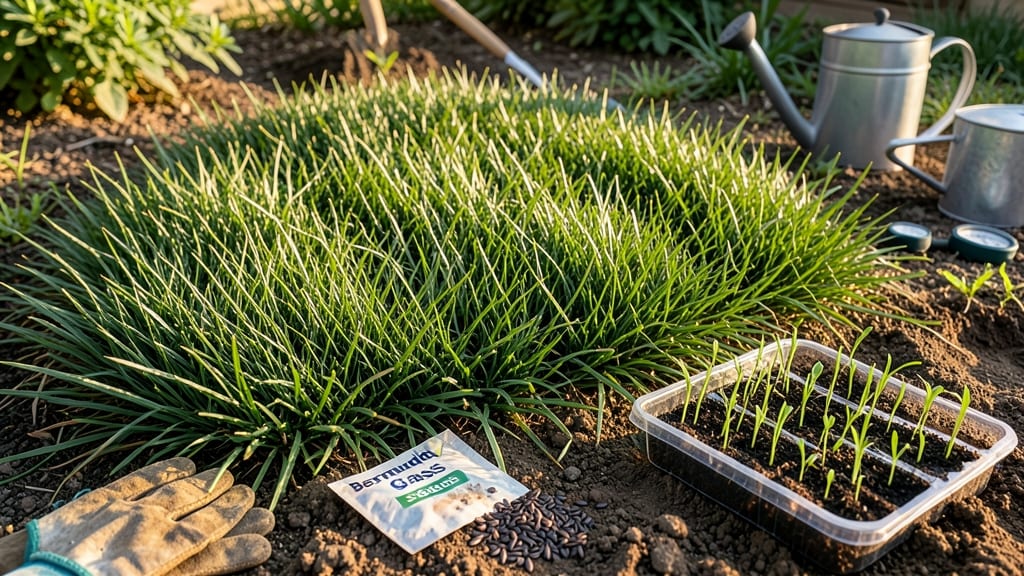
Planting Bermuda grass seed in Georgia isn’t just about timing—it’s about survival in the state’s brutal summer heat. Miss the window, and your seedlings will either freeze in late frost or wither under early scorching sun, leaving you with patchy lawns and weed battles.
I’ve seen firsthand how a fast start in late spring (April–June) makes all the difference for 🌱 Bermuda grass thriving in zones 7a–8b. The key? Waiting until soil hits at least 65°F—too soon, and frost zaps your efforts; too late, and weeds steal the show.
Let’s break down the exact schedule to give your lawn the competitive edge it needs.
You’ll learn how to read Georgia’s microclimates (coastal vs. inland) to fine-tune your planting dates, plus pro tips for soil prep that ensures 90%+ germination. No more guessing—just a foolproof plan for a lawn that’s lush by summer.
From avoiding summer heat stress to post-planting care that keeps your grass aggressive against weeds, this guide covers everything you need to skip the trial-and-error. Ready to transform your yard into a heat-resistant powerhouse?
Optimal planting windows for Georgia’s climate zones
Georgia’s diverse climate—from the cooler North Georgia mountains to the humid South Georgia coast—means your Bermuda grass seed planting schedule should align with your region. The key rule: wait until soil temperatures hit at least 65°F (18°C) for consistent germination.
In most of Georgia, this falls between mid-April and early June, but timing shifts by USDA Zone.
For North Georgia (Zones 7a-7b), like Atlanta or Dahlonega, aim for late April to early May. These areas face late spring frosts (often until April 15), so rushing seed too soon risks frost damage.
Meanwhile, Central Georgia (Zone 8a), including Macon or Columbus, can plant as early as mid-April if soil warms faster.
South Georgia (Zones 8a-8b), such as Savannah or Valdosta, enjoys longer growing seasons. Here, March to early April works for early varieties, but April 15 to May 15 is the safest bet for most gardeners. Coastal areas may even extend planting into early June if summer heat arrives late.
Pro tip: Use a soil thermometer to confirm readiness. Bury it 2 inches deep in full sun for 3–4 days—consistent 65°F+ readings mean it’s go time. Last frost dates are a secondary guide, but soil temp is the true indicator for Bermuda grass.
Georgia Planting Windows by Region
| Region | USDA Zone | Ideal Planting Window | Soil Temp Threshold | Last Frost Risk |
|---|---|---|---|---|
| North Georgia | 7a-7b | Late April–Early May | 65°F+ | High (until April 15) |
| Central Georgia | 8a | Mid-April–May 15 | 65°F+ | Moderate (until April 1) |
| South Georgia | 8a-8b | March–Early June | 65°F+ | Low (by March 15) |
*Adjust for early/late springs using soil thermometers.
If your spring arrives earlier than average, don’t rush—Bermuda grass seed needs warmth to germinate. Conversely, if summer heat arrives early (common in South Georgia), plant by mid-May to avoid stressing seedlings.
For example, Savannah gardeners often plant in April but may shift to May if temperatures spike.
Another critical factor: weed competition. Planting too late (after June 1) gives weeds a head start. Use a pre-emergent herbicide 2–4 weeks before seeding to suppress crabgrass and clover. In North Georgia, this means applying herbicide in late March for a May planting.
For coastal areas, like Tybee Island, humidity can delay germination. Increase watering frequency to keep soil moist but not soggy. Inland areas, like Athens, may experience drier conditions—mulch lightly after planting to retain moisture without smothering seeds.
Remember: Bermuda grass is a warm-season grass, meaning it thrives in 80°F+ temperatures. Planting too early forces it to struggle through cool nights, while planting too late risks weed domination. Strike the balance, and you’ll see vigorous growth by summer’s end.
🌱
Optimal planting windows for Georgia’s climate zones
Georgia’s diverse climate—from the cooler North to the humid South—means your Bermuda grass seed planting timeline should align with your USDA zone (7a-8b) and soil temperature. The sweet spot?
Wait until the soil hits 65°F+ and all frost risk has passed. In most of Georgia, this lands between mid-April and June, but coastal areas can start slightly earlier.
For Northern Georgia (Athens, Dalton), aim for late April to early May when nighttime temps stay above 50°F.
Meanwhile, Central Georgia (Macon, Columbus) can plant as early as mid-April, while Southern Georgia (Savannah, Valdosta) may start by early April—just watch for unexpected late frosts that can devastate seedlings.
🌱 Pro Tip: Use a soil thermometer ($10 at garden centers) to confirm readiness. Bury it 2 inches deep—if it reads 65°F or warmer for 5+ days, it’s go time!
| Region | Ideal Planting Window | Soil Temp Threshold | Key Risk |
|---|---|---|---|
| Northern GA (Athens, Dalton) | Late April–Early May | 65°F+ | Late frosts (after April 15) |
| Central GA (Macon, Columbus) | Mid-April–Late May | 65°F+ | Weed competition (plant early) |
| Southern GA (Savannah, Valdosta) | Early April–June | 65°F+ | Humidity + fungal diseases |
If you miss the primary window, don’t panic—Bermuda grass can handle late spring plantings (June), but expect slower establishment. Just increase irrigation and apply shade cloth if temps hit 90°F+ during germination. Avoid planting after July 1st; seedlings struggle to root before summer’s peak heat.
🌡️ Watch For: Georgia’s heat domes can push soil temps to 95°F+ by June—use lightweight row covers to protect seeds until they sprout (7–14 days). Once established, Bermuda grass thrives in heat, but seedlings need gentle protection.
For coastal areas (Savannah, Brunswick), consider early April plantings but monitor humidity levels. High moisture + warm soil = higher risk of fungal diseases like brown patch. If you see yellowing leaves, reduce watering and improve airflow by mowing higher (3–4 inches) until the grass matures.