
Trees
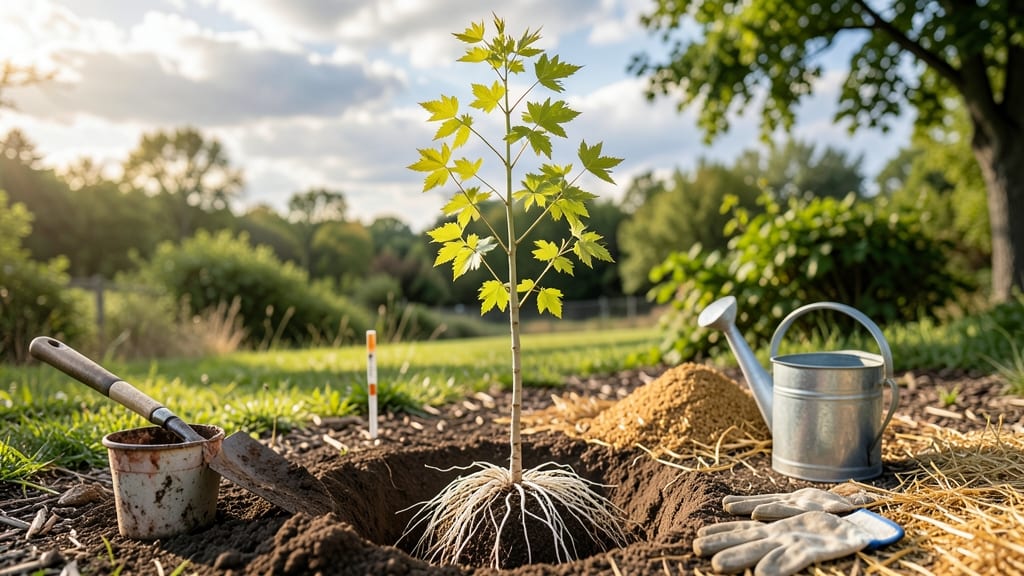
Planting an aspen tree 🌳 in Colorado could transform your landscape—but get the timing wrong, and you’ll end up with a sad, stunted sapling fighting for survival.
The best planting window isn’t just about seasons; it’s about avoiding Colorado’s infamous freeze-thaw cycles that can kill young roots before they even take hold.
Most gardeners assume spring is the only option, but early fall can actually give your aspen a head start. The key is planting when soil temperatures stay above 40°F for at least two weeks straight—typically March-April for the Front Range or September-October in higher elevations like the northern mountains.
Why does this matter so much? Aspen trees thrive in Colorado’s USDA Zones 4-7, but their root systems are delicate during Colorado’s unpredictable weather shifts. Plant too early, and frost can damage tender roots; too late, and winter stress sets in before establishment.
In this guide, I’ll break down the exact planting windows by microclimate, plus pro tips to ensure your aspen grows strong—no matter where you are in the state. Let’s get those roots growing right.
Best planting windows for aspen trees in Colorado’s microclimates
Colorado’s diverse elevations create distinct planting zones for aspen trees. In the Front Range (Denver, Boulder), aim for early spring (March-April) when soil temperatures hit 45°F+. Higher elevations (above 8,000 ft) wait until late May to avoid late frosts that can kill young roots.
Fall planting works too—focus on September-October before first frost. Aspens need 6-8 weeks to establish roots before winter. In USDA Zone 4 (northern CO), this means planting by mid-September.
To check soil readiness, use the finger test: Stick your finger 3 inches deep. If the soil feels cool but not frozen, it’s perfect. Too cold? Wait another week. Too dry? Water deeply to prepare the site.
Colorado’s alkaline soils (pH 7.5-8.5) can stress young aspens. Amend planting holes with compost or peat moss to improve drainage and nutrient retention. This is especially critical in high-desert areas like the Western Slope.
Here’s how microclimates affect timing across Colorado:
| Region | Best Planting Window | Soil Temp Threshold | Key Consideration |
|---|---|---|---|
| Front Range (Denver/Boulder) | March 15–April 30 | 45°F+ | Urban heat islands warm soil faster |
| Eastern Plains (Pueblo) | April 1–May 15 | 50°F+ | Drier soil dries out faster |
| Mountains (Aspen/Leadville) | May 15–June 15 | 55°F+ | Late frosts common until June |
| Western Slope (Grand Junction) | September 1–October 15 | 50°F+ | Fall rains help root establishment |
For container-grown aspens, you can plant 1-2 weeks earlier than bare-root saplings. Their root balls stay warmer and moister. Just ensure the container isn’t root-bound—circling roots will strangle new growth.
In windy areas (common in Colorado’s high country), plant on the lee side of structures or use temporary windbreaks. Young aspens can suffer transplant shock if exposed to 30+ mph winds during their first growing season.
Pro tip: Mulch immediately after planting with 3-4 inches of wood chips. This retains moisture and regulates soil temperature—critical in Colorado’s diurnal swings (hot days, cold nights). Keep mulch 6 inches away from the trunk to prevent rot.
Timing isn’t just about the calendar—it’s about weather triggers. Monitor local forecasts for consistent nighttime temps above 40°F. If a hard freeze is predicted within 2 weeks of planting, delay until spring.
Best planting windows for aspen trees in Colorado’s microclimates
Colorado’s diverse elevation zones create wildly different planting conditions for aspen trees. In the Front Range (Denver, Boulder), where USDA zones 6-7 dominate, your best window is early spring (March-April) or early fall (September-October).
But at higher elevations (8,000+ ft), like in the Rocky Mountain National Park area, aim for late May-June to avoid late frosts that can kill young roots.
Soil temperature is your #1 guide. Aspen roots need 45°F+ soil to establish—test it with your finger: if the soil feels cool but not icy, it’s ready. In lowland areas (6,000-7,000 ft), this usually aligns with mid-April, while mountain zones (9,000+ ft) may wait until June.
Here’s how Colorado’s microclimates shift planting windows:
| Elevation Zone | USDA Zone | Best Planting Month | Soil Temp Threshold | Key Risk |
|---|---|---|---|---|
| Front Range (Denver, Boulder) | 6-7 | March-April or Sept-Oct | 45°F+ | Late frost damage |
| High Plains (Fort Collins) | 5-6 | April-May or Sept | 50°F+ | Dry spring winds |
| Mountain Foothills (8,000-9,000 ft) | 4-5 | Late May-June | 55°F+ | Snowmelt flooding |
| High Mountains (10,000+ ft) | 3-4 | June-July | 60°F+ | Short growing season |
Pro tip: Bare-root aspen saplings thrive when planted during dormant seasons. In Colorado’s arid climate, early spring planting gives roots 6-8 weeks to establish before summer drought hits.
If planting in fall, do it 6 weeks before first frost—check your local Colorado State University extension for exact dates.
For container-grown aspens, you’ve got slightly more flexibility—plant anytime soil isn’t frozen, but avoid summer heatwaves (June-August), which stress young trees. In Denver’s urban heat islands, even container-grown aspens need extra shade cloth during peak summer to survive transplant shock.
Remember: Colorado’s alkaline soils (pH 7.5-8.5) can stunt root growth if not amended. Mix in compost or peat moss before planting to create the slightly acidic (pH 6.0-7.0) zone roots love. This tweak can mean the difference between a 10-foot aspen and a 30-foot giant in a decade.