
Plants
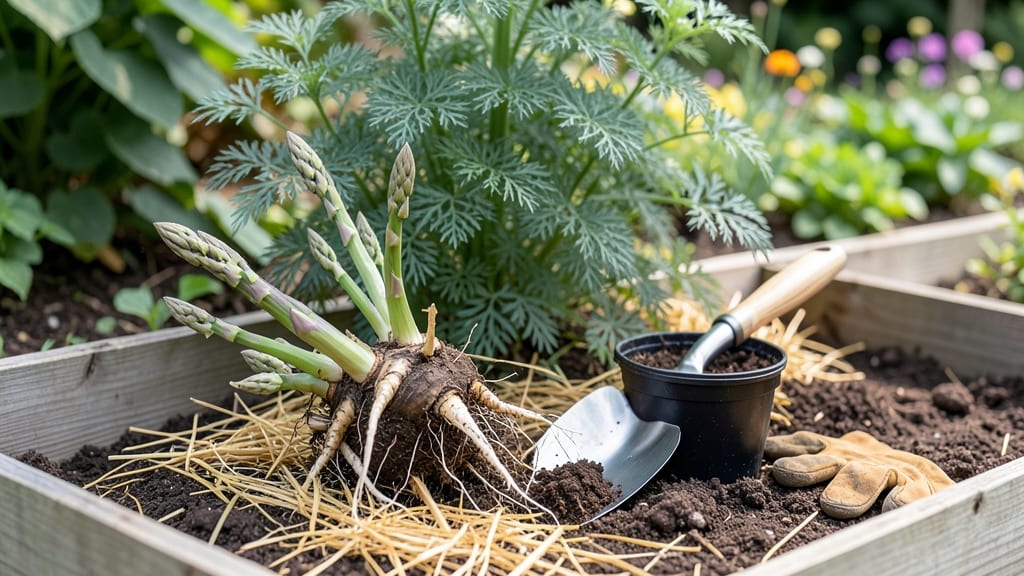
Planting asparagus in Louisiana isn’t just about grabbing crowns and shoving them in the ground—it’s about timing them perfectly to beat the state’s unpredictable late frosts and scorching summers.
The ideal window for Louisiana gardeners (USDA Zones 8a-9b) is late winter to early spring, but getting it wrong means weak roots or wasted effort.
Why does timing matter so much? Asparagus crowns need soil temperatures between 50-60°F to establish strong roots before the heat kicks in. In Louisiana, that means planting between February and March, when the ground warms but frost risks fade.
Skip this window, and you’ll battle stunted growth or even crop failure.
I’ll walk you through the exact steps to prepare your soil, choose the right microclimate spot, and avoid common Louisiana mistakes that kill asparagus roots. Whether you’re a first-timer or a seasoned gardener, these tips will help you grow plump, harvest-ready spears year after year.
Ready to dig in? Let’s make sure your asparagus thrives—not just survives—in Louisiana’s challenging climate. The key is in the details, and I’ve got them covered.
Best planting months for asparagus in Louisiana’s climate zones
Louisiana’s humid subtropical climate means asparagus thrives when planted during cooler months, avoiding the state’s brutal summer heat. The ideal window is late winter to early spring, specifically February through March, when soil temperatures hover between 50-60°F.
This timing ensures strong root establishment before the growing season peaks.
In northern Louisiana (Zone 8a), like Shreveport, aim for late February to early March to dodge late frosts. Meanwhile, southern Louisiana (Zone 9b), including New Orleans, can plant as late as mid-March due to milder winters.
Always check your local last frost date—typically around February 15—to guide your schedule.
Here’s how Louisiana’s microclimates affect planting: New Orleans’s coastal humidity demands faster soil warming, while Shreveport’s inland climate benefits from earlier planting. Ruston and Baton Rouge fall in between, with early March being the safest bet for most gardeners.
Soil temperature is critical. Use a soil thermometer to confirm 50-60°F at 6-inch depth—this ensures roots grow 3x faster than in cooler soil. Louisiana’s clay-heavy soils retain heat longer, so don’t rush planting in April unless you’ve amended the soil for better drainage.
| Zone | Ideal Planting Window | Soil Temp Requirement | Microclimate Notes |
|---|---|---|---|
| 8a (Shreveport) | Late February - Early March | 50-60°F | Inland, cooler nights |
| 8b (Alexandria) | Early March | 50-60°F | Transitional climate |
| 9a (Baton Rouge) | Mid-March | 55-65°F | Warmer, humid |
| 9b (New Orleans) | Late March | 60-70°F | Coastal, slower cooling |
For container gardening in Louisiana, plant crowns in early March regardless of zone. Containers warm up faster, so avoid April planting—it stresses roots during summer’s 90°F+ heat. Use black plastic mulch to raise soil temps 5-10°F if planting in late February.
Pro tip: Test soil moisture before planting. Louisiana’s clay soils can stay soggy after winter rains, delaying root growth. Aim for well-draining beds with 30% organic matter to prevent waterlogging. If your soil is too dense, mix in compost or sand before planting.
Timing also affects harvest readiness. Asparagus planted in March typically produces spears by late April to May, while February plantings may take 2-3 weeks longer. Louisiana’s humid summers can reduce yields if planted too late, so prioritize early spring for best results.
If you miss the ideal window, consider fall planting in September-October for a second chance. However, roots need 60+ days to establish before winter, so only attempt this in northern Louisiana (Zone 8a). Southern zones risk freeze damage before roots mature.
Always mulch heavily after planting to retain moisture and regulate soil temps. In Louisiana, straw or pine needles work best—they insulate roots during hot summers and protect from winter chill. This simple step can double your yield in the first harvest year.
How to prepare Louisiana soil for asparagus success (before planting)
Louisiana’s clay-heavy soils and high humidity can turn asparagus planting into a challenge if you don’t prep properly. The key is creating a well-draining, nutrient-rich bed that mimics the plant’s natural Mediterranean habitat. Without this, your crowns will rot or struggle to establish roots before summer’s heat sets in.
Start by testing your soil pH—asparagus thrives in slightly acidic to neutral soil, ideally between 6.5 and 7.5. Louisiana’s native soils often skew alkaline, so you may need to amend with sulfur or peat moss to adjust.
Grab a soil test kit from your local LSU AgCenter extension office for precise guidance.
Before planting, work in 3-4 inches of compost or well-rotted manure to boost organic matter. Louisiana’s soils often lack the phosphorus and potassium asparagus needs for strong root development. Mix in a balanced fertilizer (10-10-10) at planting time, but hold off on nitrogen—too much early on can burn tender roots.
For sandy soils common in southern Louisiana (like those in Lafayette or Houma), incorporate peat moss or coconut coir to retain moisture without suffocating roots. In heavier clay areas (like Baton Rouge or Shreveport), blend in pine bark fines to break up compaction.
Aim for a soil texture that holds moisture but drains freely.
Timing your amendments is critical. If you’re planting in February or March, prep the soil 4-6 weeks ahead to let organic matter break down. For fall planting (less ideal but possible in Zone 8a), amend in October so the soil settles before winter rains.
Finally, mulch your freshly planted asparagus bed with 2-3 inches of straw or pine needles. This conserves moisture, suppresses weeds, and keeps soil temps stable—critical in Louisiana’s hot, humid summers. Just avoid piling mulch directly against the crowns to prevent rot.