
Trees
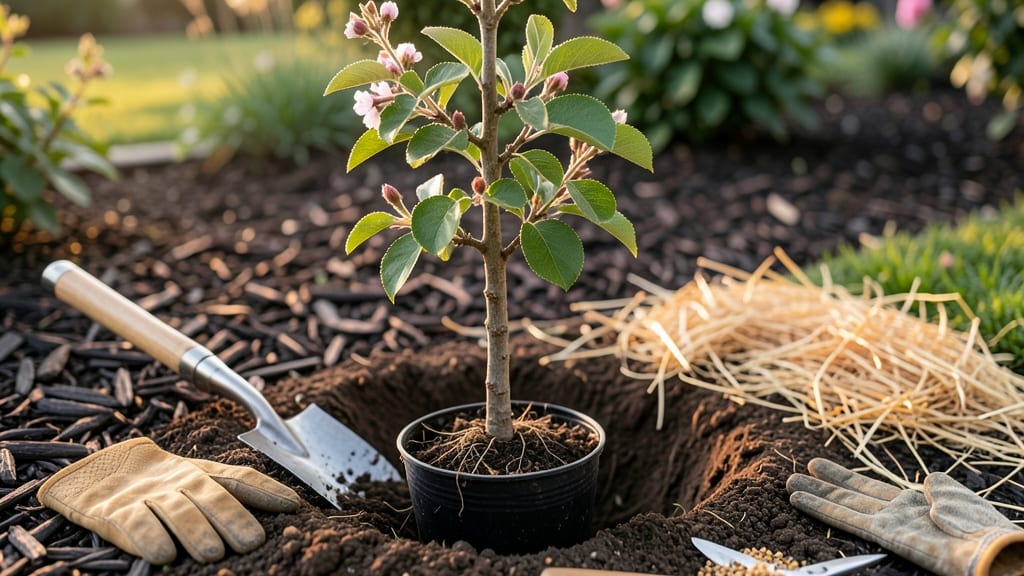
Timing your 🍎 apple tree planting in South Carolina could mean the difference between a thriving orchard and years of disappointment—especially when chill-hour needs clash with your region’s unpredictable springs.
The wrong window might leave your tree vulnerable to frost damage or poor fruit production, while the perfect timing sets the stage for strong roots and abundant blooms.
Most gardeners in zones 7b-8a know the ideal window runs from late winter to early spring, but did you know there’s a science behind it? Apple trees need 300-1,000 chill hours to bloom properly, and planting too early or late can disrupt this critical cycle.
I’ll show you exactly how to align your planting with South Carolina’s climate quirks—like late frosts or humid summers—to give your tree the best shot at success.
Whether you’re working with bare-root saplings or container-grown trees, the February-March window offers the perfect balance of cool soil and dormant roots.
But here’s the catch: coastal areas and Piedmont regions have different frost risks, so I’ll break down the exact steps to prepare your soil, protect young trees, and avoid common mistakes that derail even the most well-intentioned gardeners.
Ready to plant with confidence? Let’s dive into the chill-hour matching system and regional adjustments that’ll have your apple tree flourishing in no time—so you can enjoy that first harvest in August or September.
South Carolina’s chill-hour zones and best planting months for apple trees
South Carolina’s diverse climate zones (USDA 7b-8a) create unique challenges for growing apple trees. The key to success lies in understanding chill-hour requirements—the number of hours below 45°F needed for proper flowering.
Most commercial varieties need 600-1,000 chill hours, but SC’s mild winters often fall short, especially in Coastal regions.
For example, Upstate SC (Greenville, Spartanburg) typically accumulates 800-1,000 chill hours, while Charleston and Hilton Head may only reach 400-600 hours. This mismatch explains why many standard apple varieties fail to bloom—or produce fruit—in warmer zones. The solution? Planting at the right time and selecting low-chill varieties.
November through March is the ideal window for planting apple trees in SC. During these months, soil temperatures are cool, reducing transplant shock, and trees enter dormancy naturally. Bare-root trees planted in late winter (February-March) before bud break give roots time to establish before spring growth begins.
Container-grown apple trees offer more flexibility, allowing planting year-round in SC, but early spring remains optimal. The goal is to avoid late frosts (common until mid-March) that can damage new growth. In Zone 8a areas (e.g., Charleston), extend your planting window to January-February to maximize chill accumulation.
| SC Region | Chill Hours | Best Planting Month | Recommended Varieties |
|---|---|---|---|
| Upstate (Greenville, Spartanburg) | 800-1,000 | February-March | Fuji, Gala, Pink Lady |
| Piedmont (Columbia, Rock Hill) | 600-800 | January-February | Akane, GoldRush, Honeycrisp |
| Coastal (Charleston, Hilton Head) | 400-600 | January-February | Anna, Ein Shemer, Zestar! |
*Low-chill varieties (<300-500 hours) thrive in warmer zones.
Timing your planting to align with chill-hour accumulation is critical. For instance, planting in November allows trees to benefit from winter chilling before spring growth. In contrast, April plantings risk exposing young trees to heat stress and insufficient chill hours for flowering the following year.
SC’s last frost dates vary dramatically: Upstate areas average March 15, while Coastal regions may see frost as late as April 1. To hedge against late frosts, plant after March 15 in most of SC, or opt for container-grown trees that can be delayed until April if needed.
Soil preparation is equally critical. Apple trees thrive in well-draining, slightly acidic soil (pH 6.0-6.5). Before planting, amend your soil with compost or aged manure to improve fertility. In sandy Coastal soils, incorporate organic matter to retain moisture, while clay-heavy Upstate soils benefit from gypsum to improve drainage.
Mulching with wood chips or pine straw (2-3 inches deep) helps regulate soil temperature and conserve moisture. Apply mulch within 2-3 feet of the trunk, keeping it 6 inches away to prevent rot.
This practice is especially valuable in SC’s hot, humid summers, where mulch shields roots from temperature extremes.
Finally, consider microclimates in your yard. South-facing slopes accumulate more chill hours than north-facing areas, making them ideal for standard-chill varieties. Conversely, low-lying or shaded spots may require low-chill apples to avoid bloom failure.
By matching your apple variety, planting time, and yard location to SC’s chill-hour zones, you’ll set your tree up for successful flowering and fruit production—even in our unpredictable climate. 🌳
How to match apple varieties to SC’s climate for maximum fruit production
South Carolina’s mild winters mean most traditional apple varieties won’t thrive here—unless you choose the right low-chill cultivars. Trees like Fuji or Gala need 600-1,000 chill hours, but SC’s Upstate (Zone 7b) averages only 400-600 hours, while the Coastal Plain (Zone 8a) gets even fewer.
That’s why ‘Akane’ and ‘GoldRush’ are top picks—they produce sweet fruit with just 300-500 chill hours and handle SC’s heat better than standard varieties 🍏.
Grafting can extend chill-hour compatibility if you love high-chill varieties. Try grafting ‘Honeycrisp’ (800+ hours) onto a ‘Dorsett Golden’ rootstock (low-chill), but expect smaller yields. Always check the USDA zone and chill-hour requirements before buying—local nurseries like Clemson Extension often stock SC-adapted varieties 🌱.
For dwarf varieties, consider ‘Liberty’ or ‘Enterprise’—they’re disease-resistant and produce well in containers, perfect for small yards. Just avoid ‘Granny Smith’, which needs 1,000+ chill hours and rarely sets fruit in SC’s climate.
If you’re unsure, ask your nursery for ‘SweeTango’, a disease-resistant hybrid that thrives in Zone 7b-8a 🌿.
| Variety | Chill Hours | Best SC Zone | Fruit Maturity |
|---|---|---|---|
| Akane | 300-500 | 7b-8a | Late summer |
| GoldRush | 400-600 | 7b-8a | Early fall |
| SweeTango | 350-500 | 7b-8a | Mid-fall |
| Liberty | 500-700 | 7b-8a | Late summer |
| Enterprise | 400-600 | 7b-8a | Early fall |
Early blooming is another SC challenge—warm spells in February can trick trees into flowering, only to be killed by March frost. To prevent this, plant late-blooming varieties like ‘Dorsett Golden’ or use anti-blight sprays in winter.
If you’re grafting, choose interstock (middle layer) that delays bloom time for better frost protection 🌡️.
For container growing, pick dwarf rootstocks like M.9 or B.9 to keep trees manageable. Move pots to a sheltered spot in winter if temps drop below 20°F, and use black plastic mulch in summer to retain moisture. Just avoid overwatering—SC’s humidity already raises fungal risks 💧.
If you’re unsure which variety to choose, start with ‘Akane’ for sweet, reliable fruit or ‘GoldRush’ for cold-hardy reliability. Both handle SC’s heat and humidity while delivering high yields with minimal fuss. And remember: local nurseries often carry SC-tested varieties—ask before buying online to avoid disappointment 🌳.